

Groundhogs
Did the Woodchuck See its Shadow?

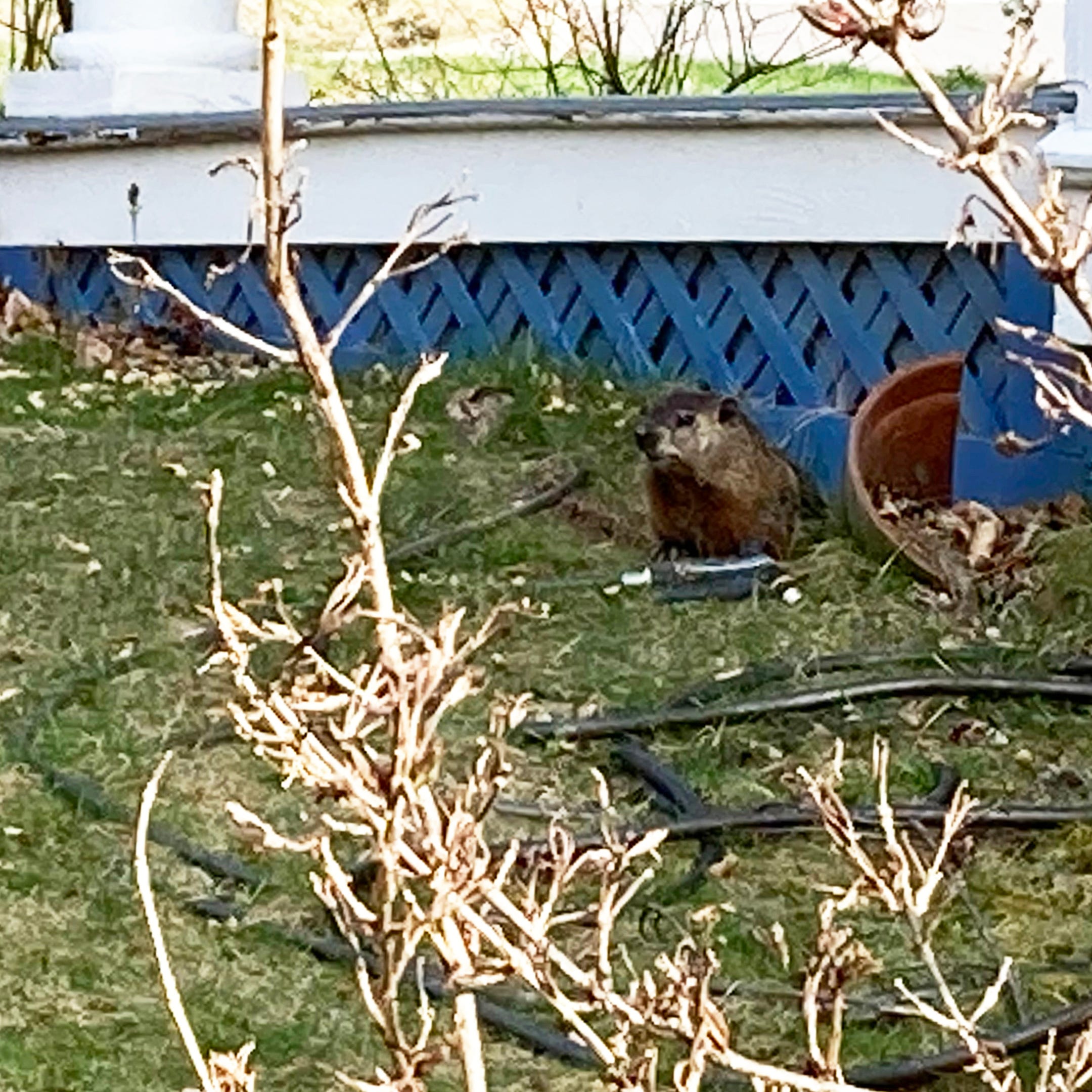
Groundhog and woodchuck are two names for the same animal, whose Latin name is Marmota monax. Other common names for this large member of the squirrel family are whistle pig and land beaver. Most Americans know the legend that on February 2, Groundhog Day, if the groundhog comes out of its burrow and sees its shadow, it rushes back in, predicting another six weeks of winter. Here in my part of the Hudson Valley, unlike Pennsylvania’s Punxatawny Phil who saw sun and predicted more winter, our resident groundhogs predicted nothing. They are still hibernating in their burrows.
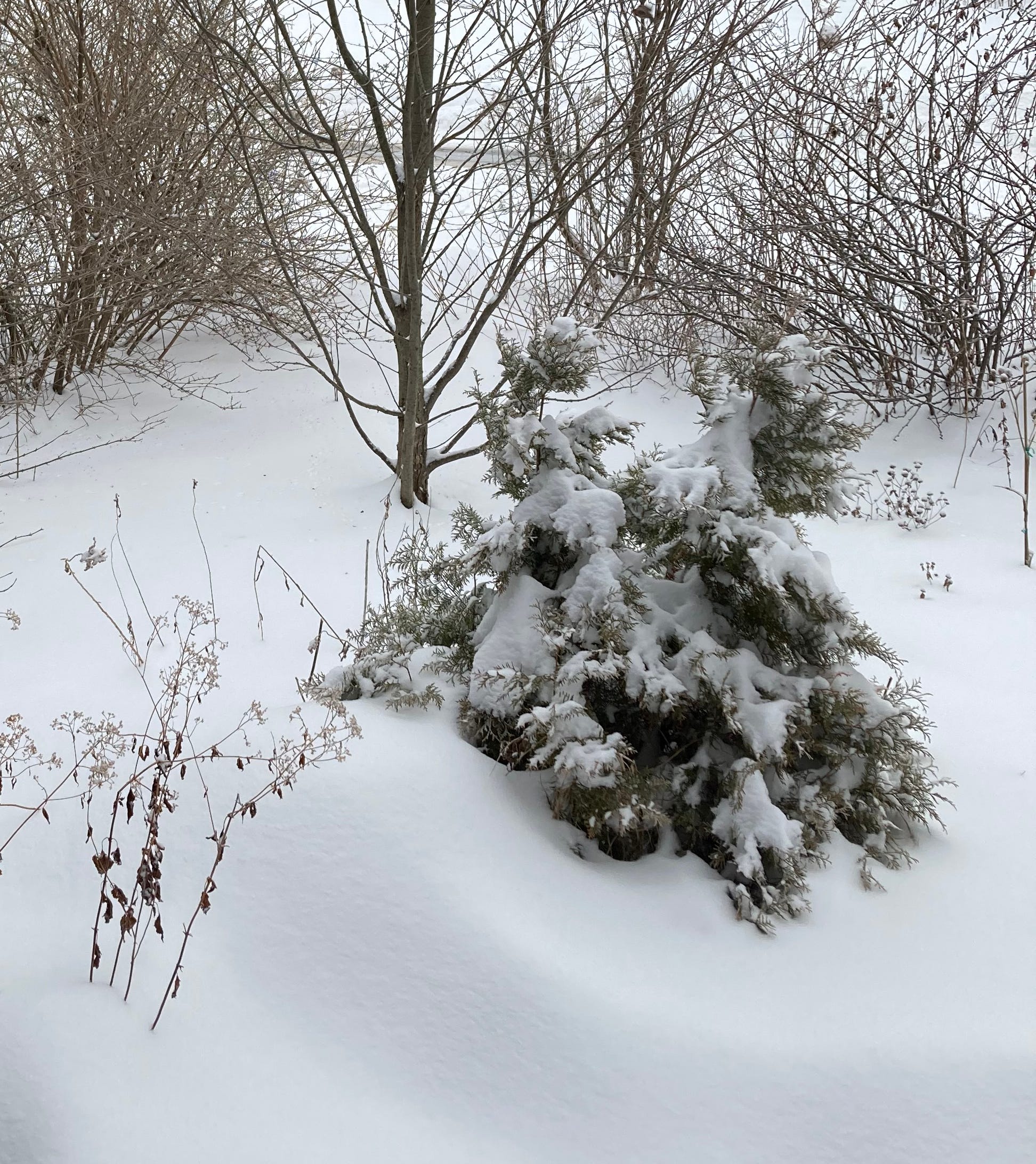
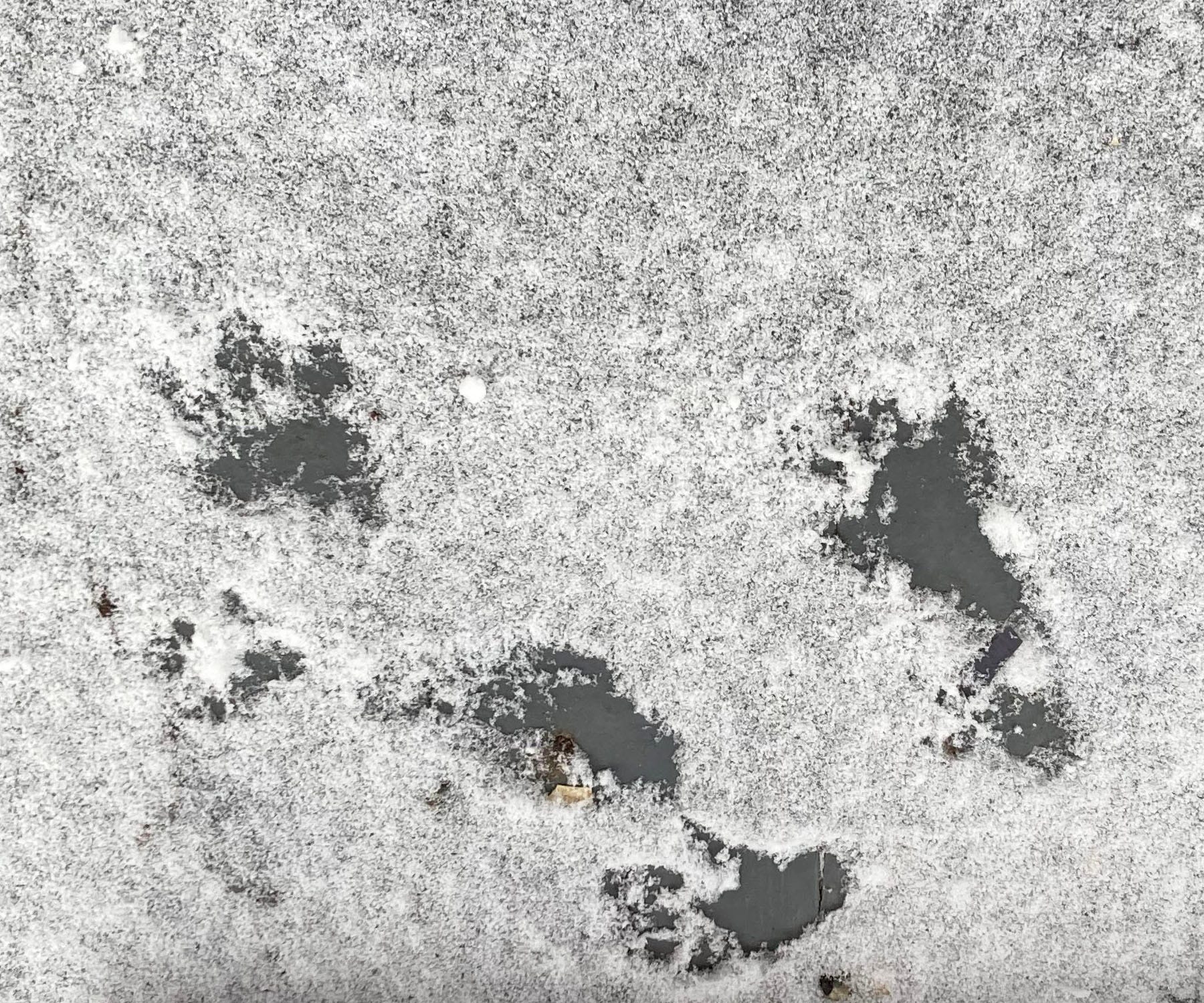
A polar vortex has been pummeling us with extremely cold temperatures. Last Saturday afternoon, the temperature where I live dropped to 5° F., with a wind chill factor of -17°. So, although after a mid-December snow a groundhog left footprints on the front porch, we are not seeing evidence of groundhog activity now.
When a groundhog hibernates, it goes into its burrow and dramatically slows its metabolism. Its heart rate drops to just four or five beats a minute, it breathes just once or twice a minute, and its body temperature drops to a few degrees above freezing. Hibernating groundhogs don’t need to eat, because in the fall they have gorged on our garden vegetables and other vegetation, building up the fat stores that will carry them through the winter.
“How much wood would a woodchuck chuck if a woodchuck could chuck wood?” You’ll have more success saying that line ten times very fast than a woodchuck would chucking wood, whatever that might mean. The common name “woodchuck” comes from the Algonquin word for the animal, “wuchak,” which means “digger.” And woodchucks sure can dig.
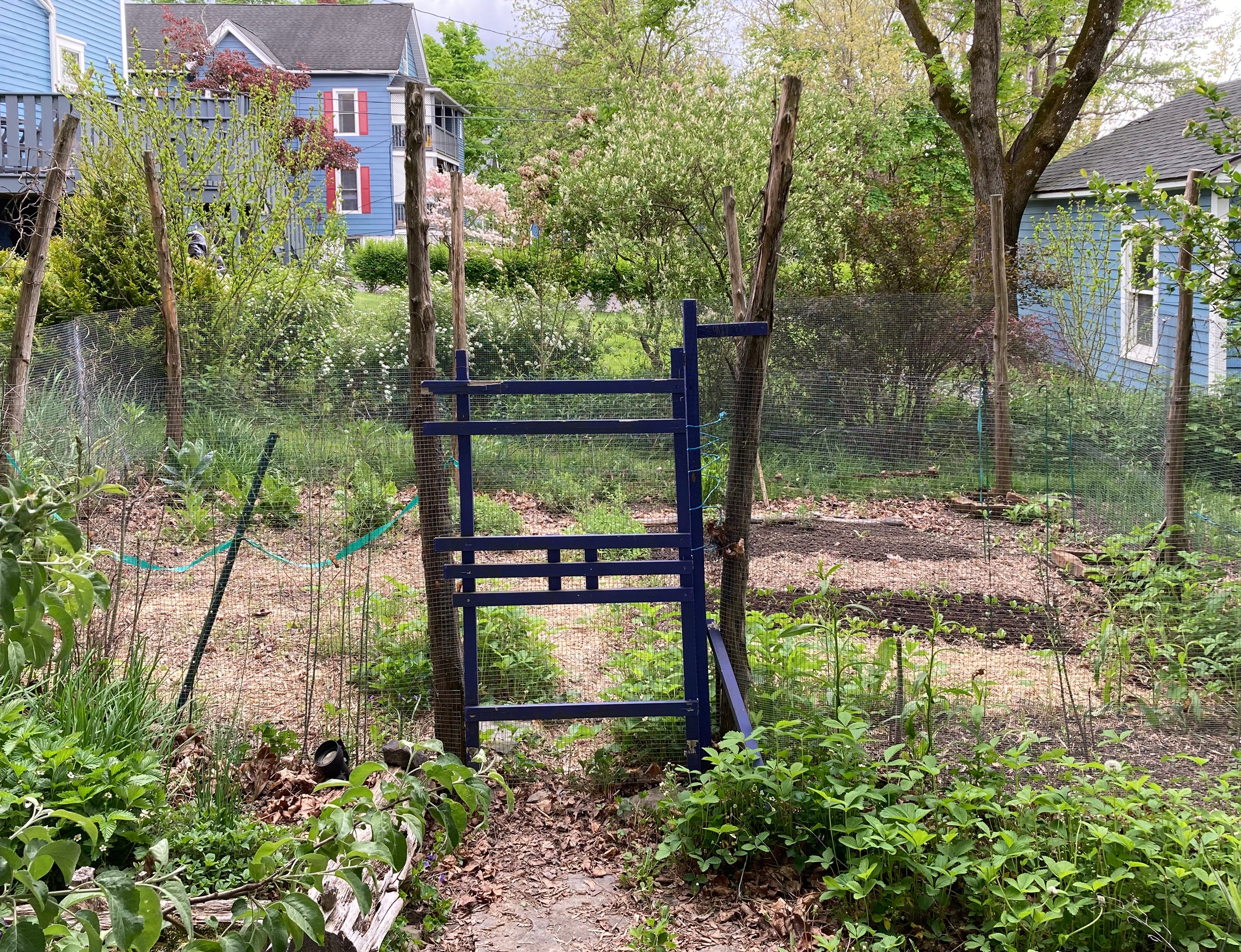
We protect our vegetable garden with a fence that includes buried wire mesh about ten inches deep around its perimeter, bent in an outward-facing “L” shape, so any burrowing animals will encounter a lip that stops them from digging below the mesh. It’s been effective. Although groundhogs can climb, they evidently prefer not to, because trellising melons and squash seems to put the fruits out of their reach. One year, when I grew butternut squash vines outside the fenced garden and let them ramble on the ground, the almost-ripe squashes completely disappeared, evidently harvested and brought into the groundhog burrow to be eaten at leisure.
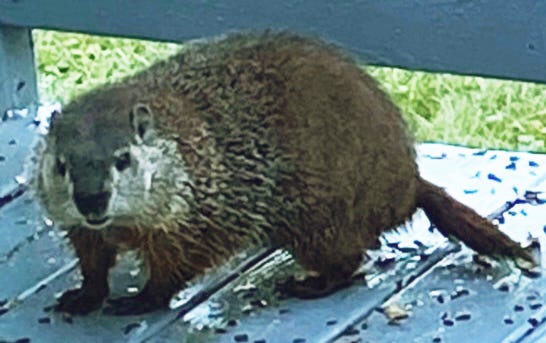
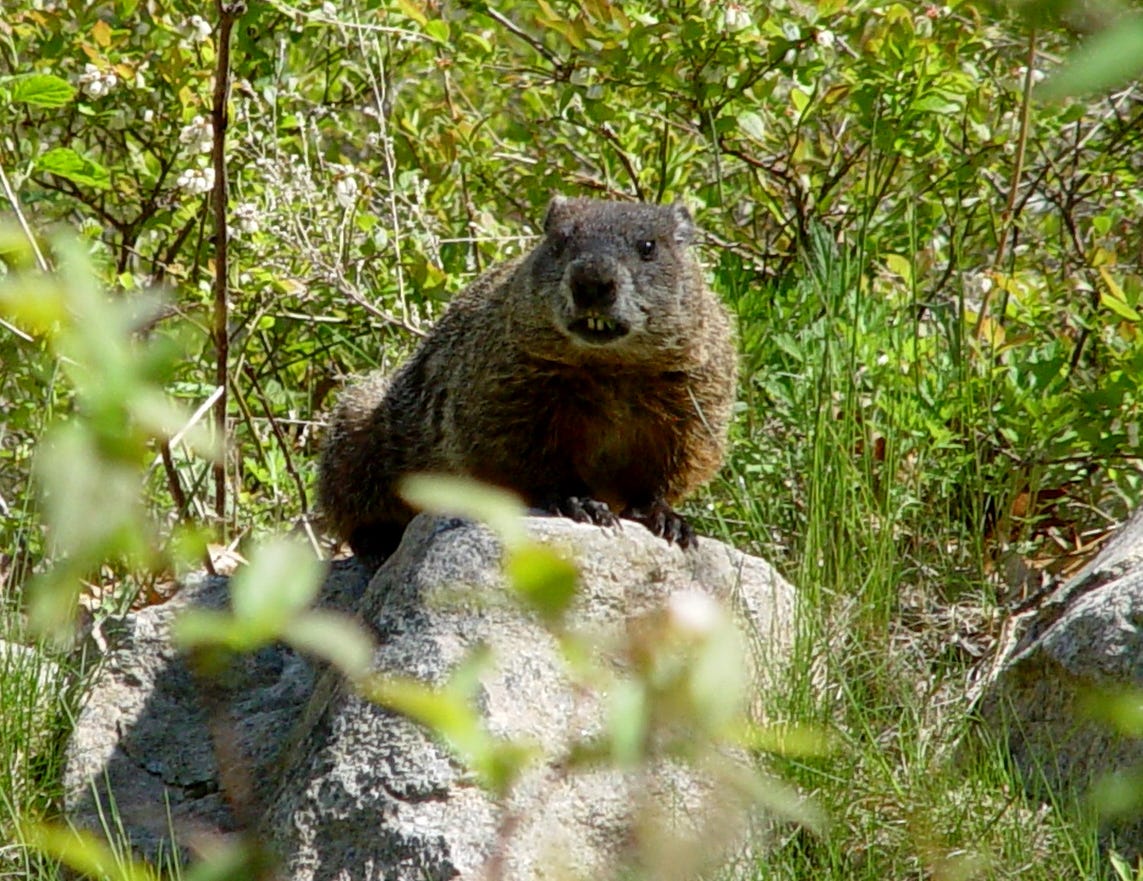
Despite their scary-looking teeth, groundhogs are mostly vegetarian, though they will eat some insects. Our local groundhog also relishes the sunflower seeds that fall from my neighbor’s birdfeeder. Their teeth will grow a sixteenth of an inch every week but grind each other down as the groundhog feeds and as it burrows through the soil. Unlike beavers, they don’t fell trees, though they may gnaw on tree roots to polish their teeth. The front surfaces of those teeth are covered in hard enamel fortified by iron deposits, while the back surfaces are dentin, which wears away faster—resulting in incredibly sharp front teeth. When hosta leaves in my garden show rectangular damage, I know that a groundhog, not deer or rabbits, has nibbled on them. They use their claws and teeth to create their burrows.
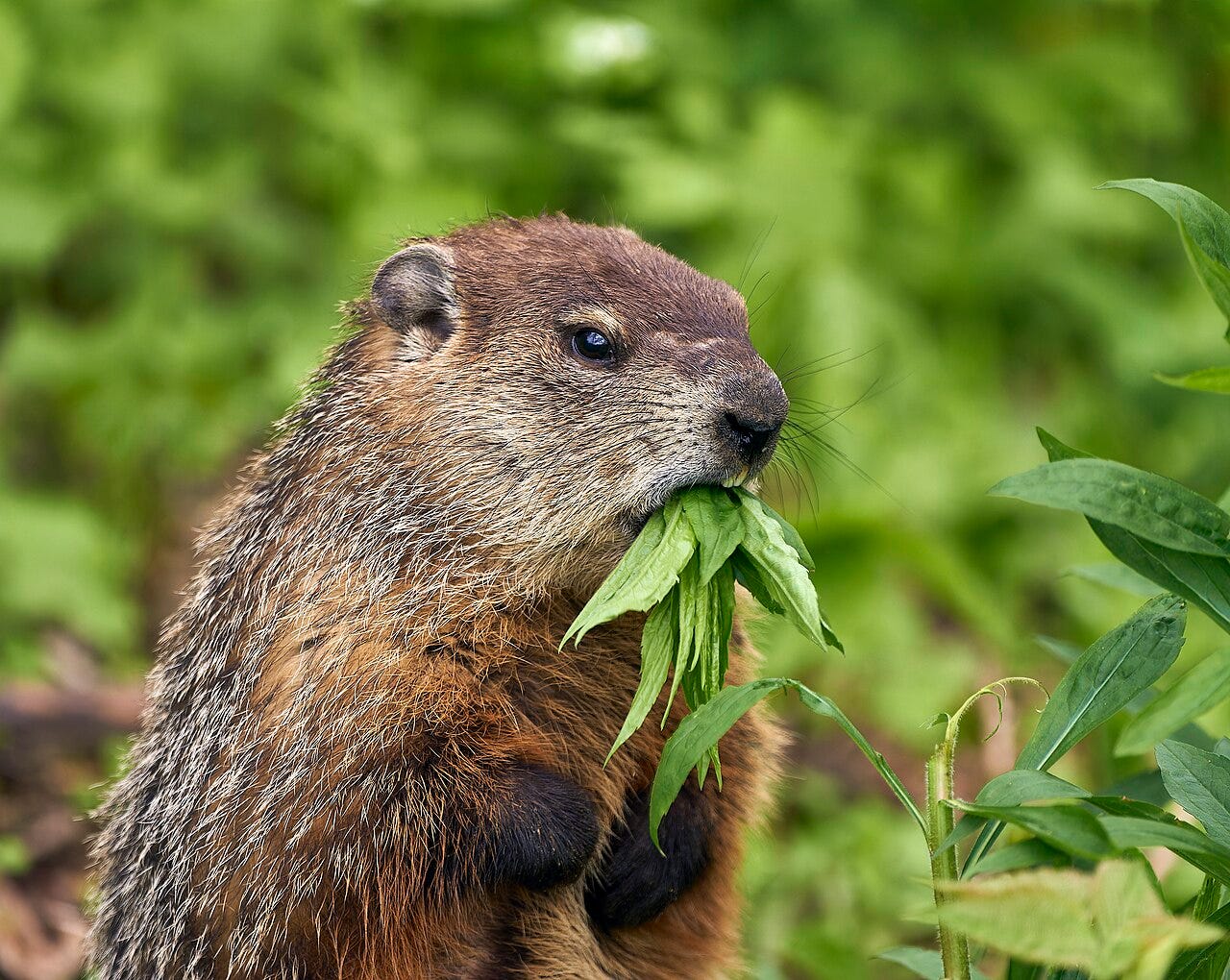
Do groundhog burrows undermine a house’s foundation? They can, although most of the older homes in my neighborhood have probably been hosting them for over a century. Removing groundhogs and keeping them away is not easy. In general, New York law allows nuisance animals like burrowing groundhogs to be killed or removed by a qualified Nuisance Wildlife Control Officer (disclaimer—I am not qualified to give legal advice, but see the Department of Environmental Conservation website). What’s harder is preventing the animals from returning. The best method is to surround the entire foundation with wire mesh protection that extends below ground, as we’ve done with our vegetable garden. The job should to be done while the burrow is uninhabited, unless you want a dead groundhog stinking up your house for a few weeks or months.
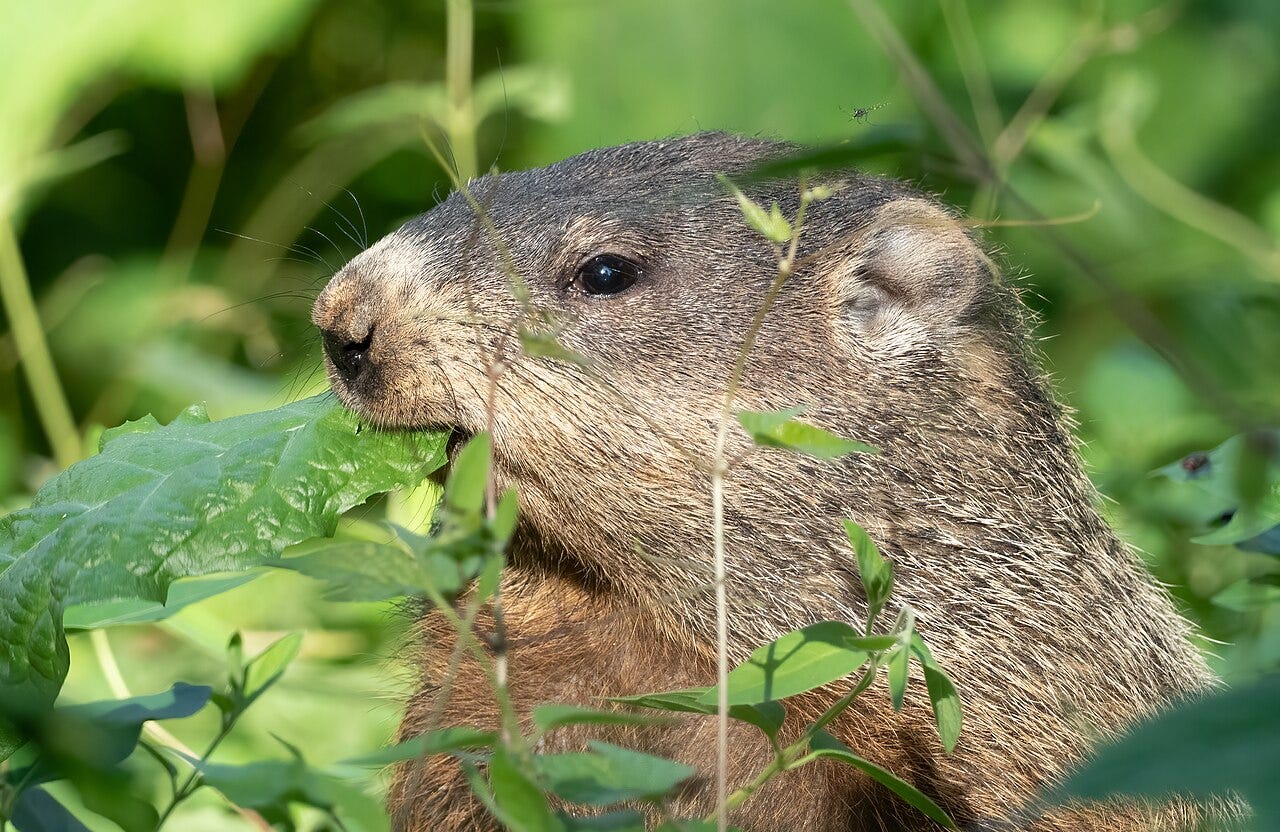
Groundhogs were here before we were. One of my friends suggested planting a special section of the garden with groundhog food to honor their needs while protecting the rest of the garden. It’s a generous idea which I fear would multiply their population. So I haven’t done it, and if I see one menacing my plants I still shout and brandish whatever garden tool is in my hand. That is to say, I live in community with them.