

Wintersowing for Beginners
A How-To Guide

Many native plants require a season of cold before their seeds will germinate. It can save a lot of money to wintersow their seeds instead of buying nursery plants. For some species, planting seeds may be the only way to add them to your garden, especially if you want straight natives rather than cultivars that have been bred for qualities like bigger blooms that may make them less useful for pollinators like bees and butterflies. You can wintersow seeds anytime between now and mid-January.
If this will be your first time wintersowing, it’s best to choose seeds that don’t present extra challenges, like tiny, dust-like seeds that need light before they will sprout and must be surface-sown. Some seeds have to be nicked or sanded so enough moisture can get through to trigger germination. Plenty of native wildflowers are not this fussy, so I recommend starting your wintersowing adventure with these.
These five plants, all native in the Hudson Valley, have been especially successful wintersowing projects for me:
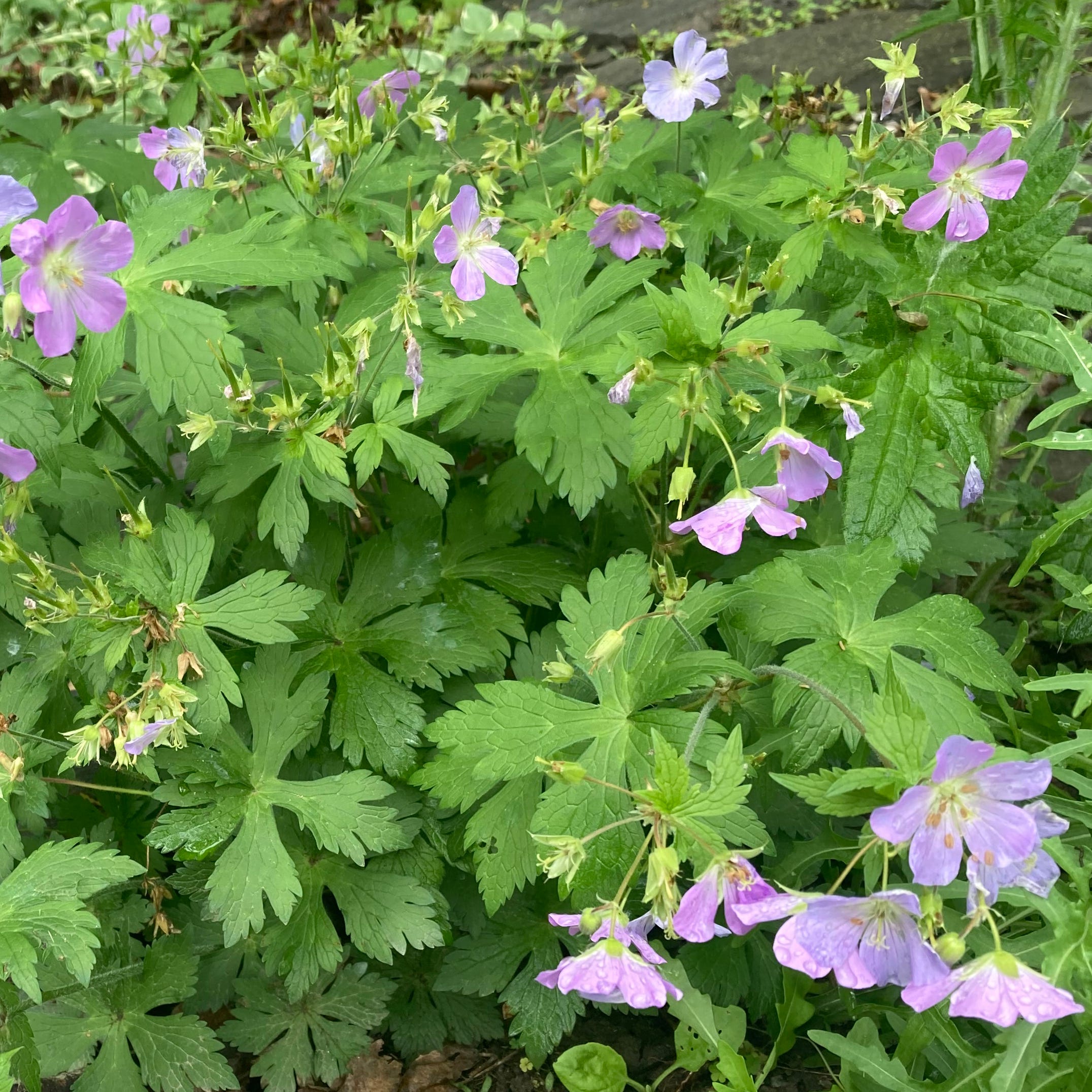
Wild geranium (Geranium maculatum), a foot-tall spring-bloomer with pretty, pink flowers, that will grow happily in sun or shade and is moderately drought-tolerant.
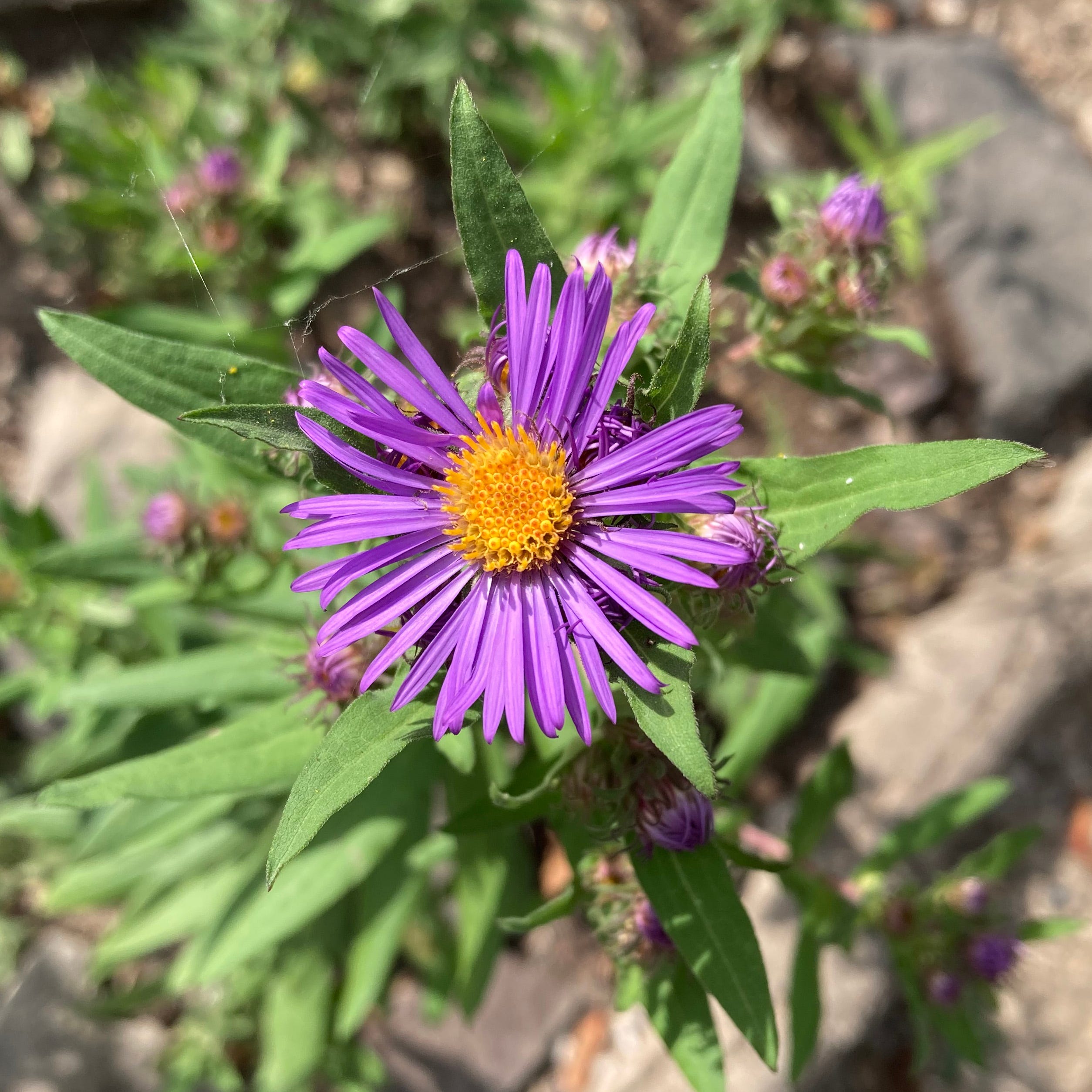
New York aster (Symphyotrichum novi-belgii), which grows up to 4 feet in full sun but will also produce its stunning, blue-violet flowers in part shade. It’s a nectar powerhouse that supports many species of bees and butterflies, including several at-risk bee species.
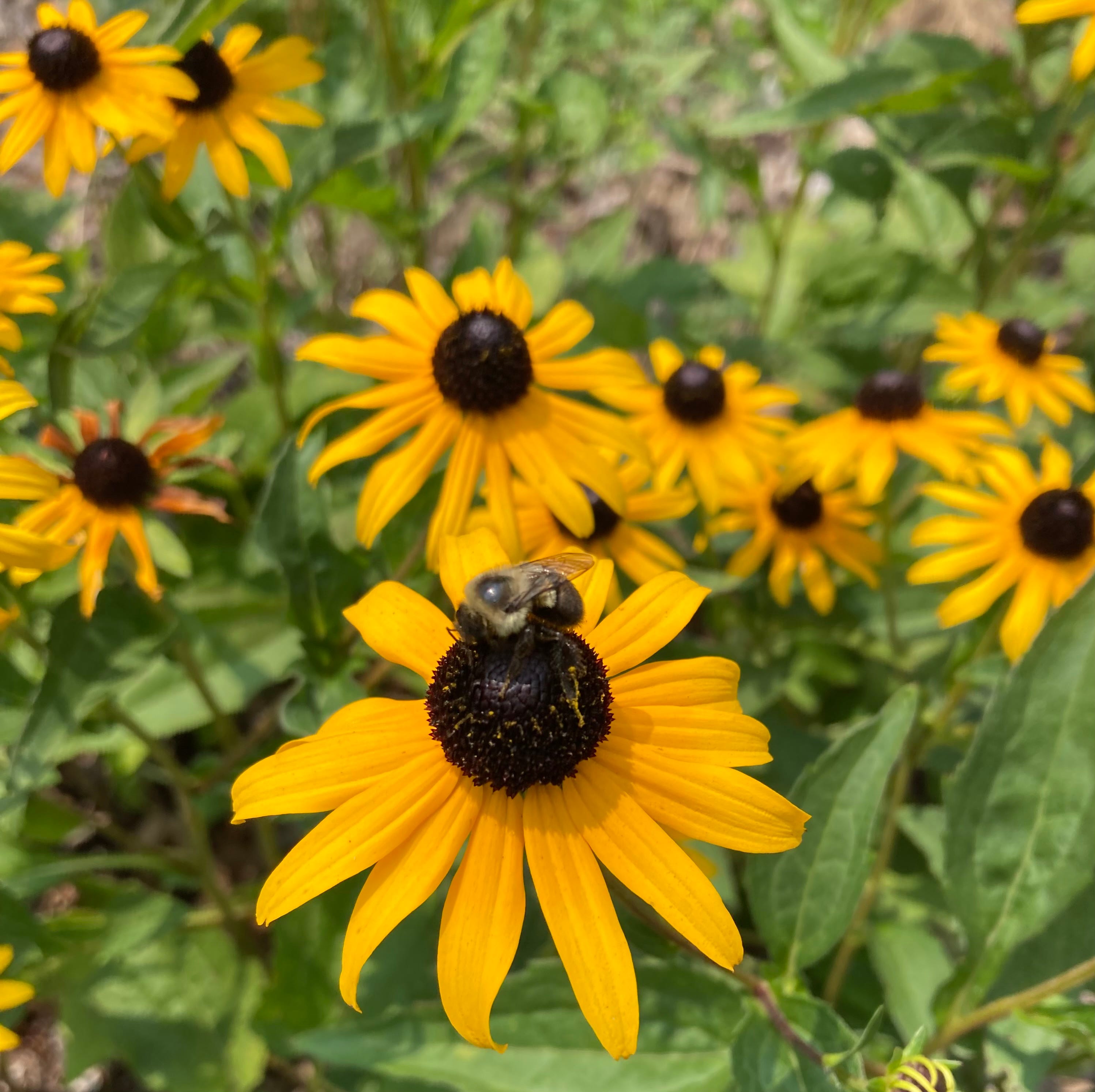
Black-eyed Susan (Rudbeckia hirta), with robust yellow flowers with dark brown centers that stay in bloom from summer into fall. Blooming the second year from seed, it will then self-seed vigorously.
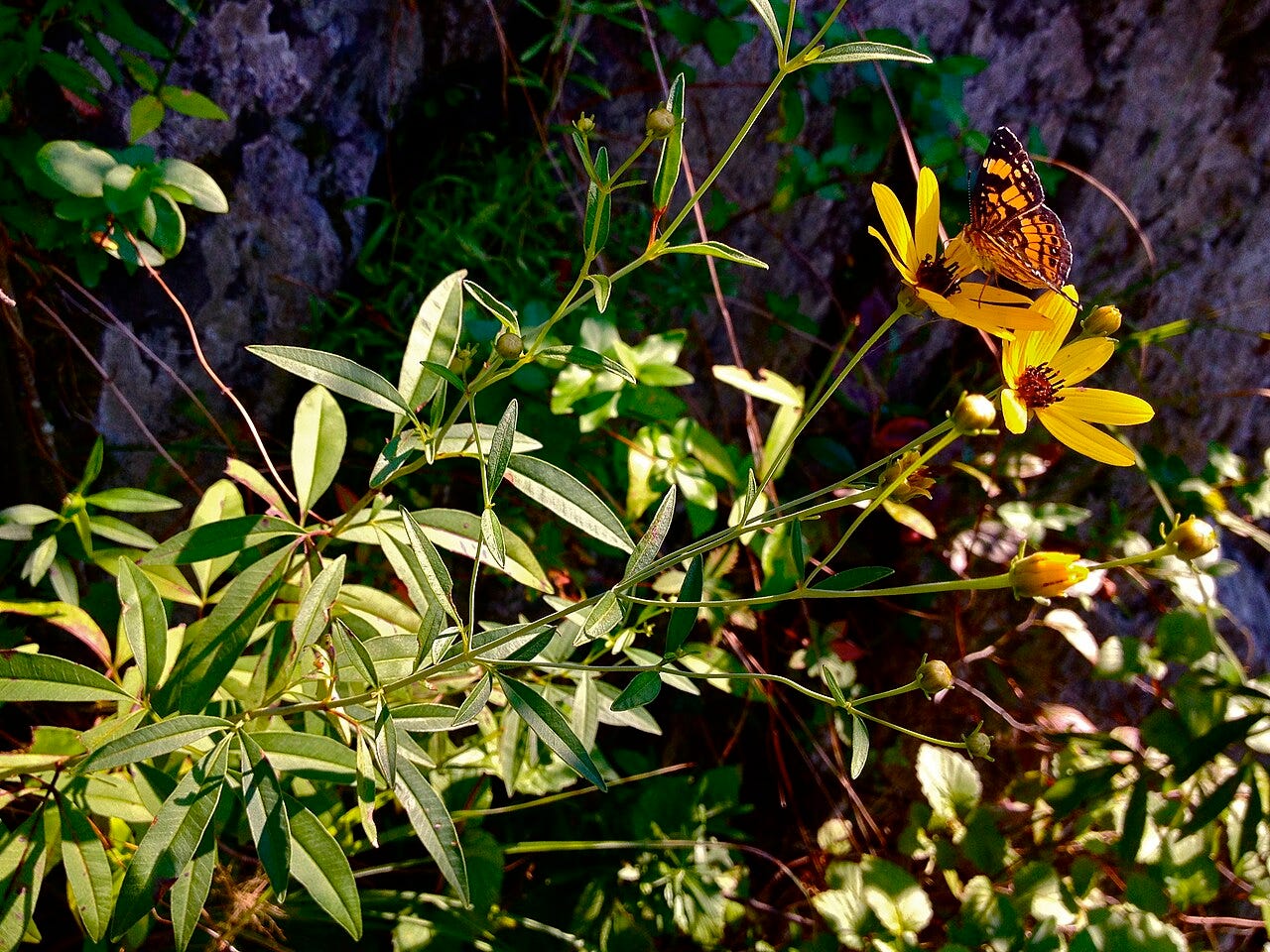
Tall coreopsis (Coreopsis tripteris), which can grow as tall as 7 feet, with yellow flowers that may appear the first summer from seed. It attracts goldfinches and other birds who like the seeds.
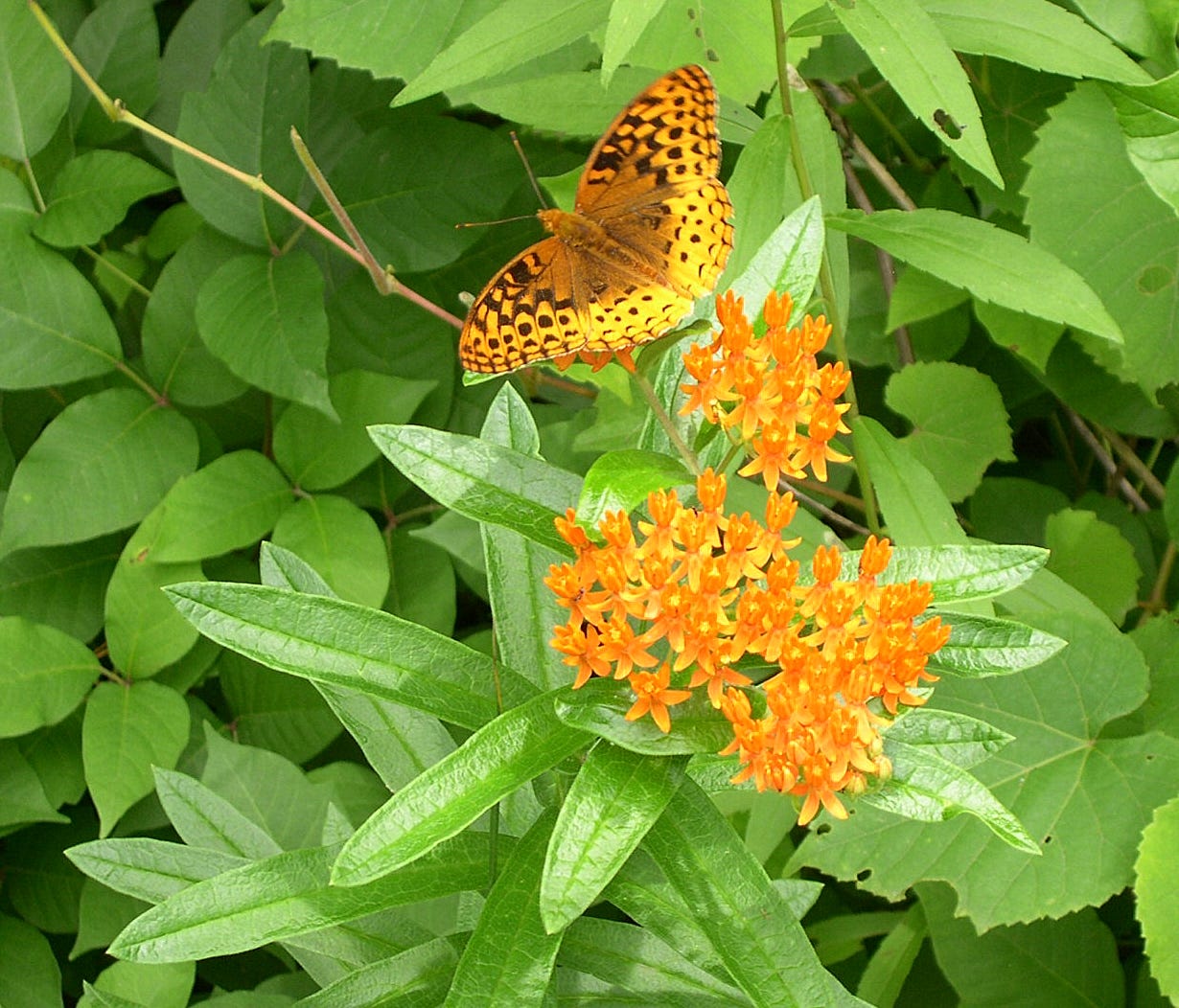
Butterflyweed (Asclepias tuberosa), a well-known host plant for monarch butterflies. Its bright orange flowers appear the second year from seed and attract many different kinds of butterflies, not just monarchs.
If you live in a different part of the country, you’ll need to research what wildflowers are native in your area. The desert Southwest, the Midwest prairie, and the Pacific Northeast are all very different ecosystems!
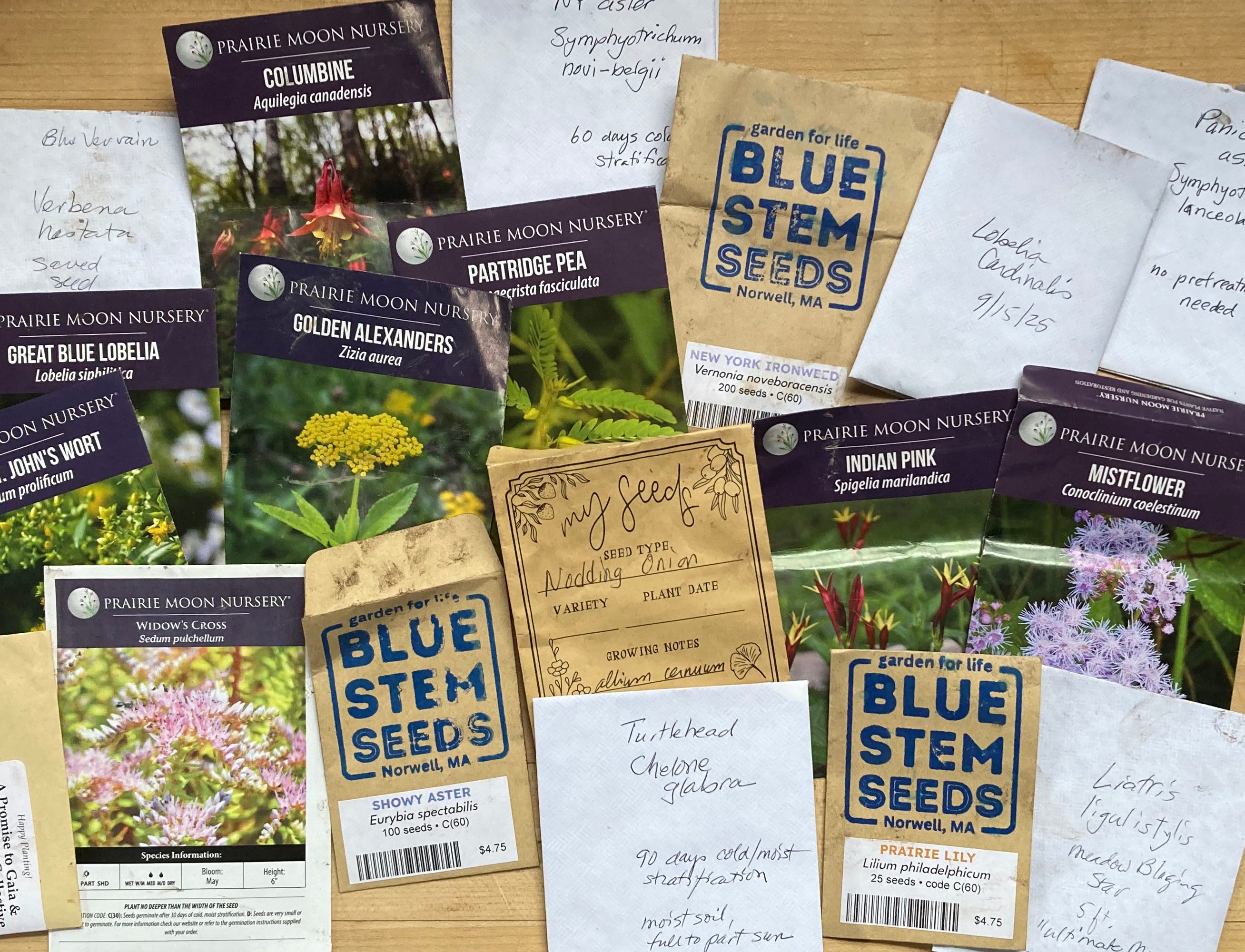
If you have a friend who grows native plants, they may be happy to share seeds with you. Specialty nurseries that sell seeds of native plants online include Prairie Moon Nursery and Blue Stem Natives, two sources I have used. The Hudson Valley Seed Company (which also sells seeds of non-native garden flowers) recently began offering local ecotype wildflower seeds from plants grown in the Hudson Valley. Native Flora Seeds lets you search by state to find wildflowers native to your area.
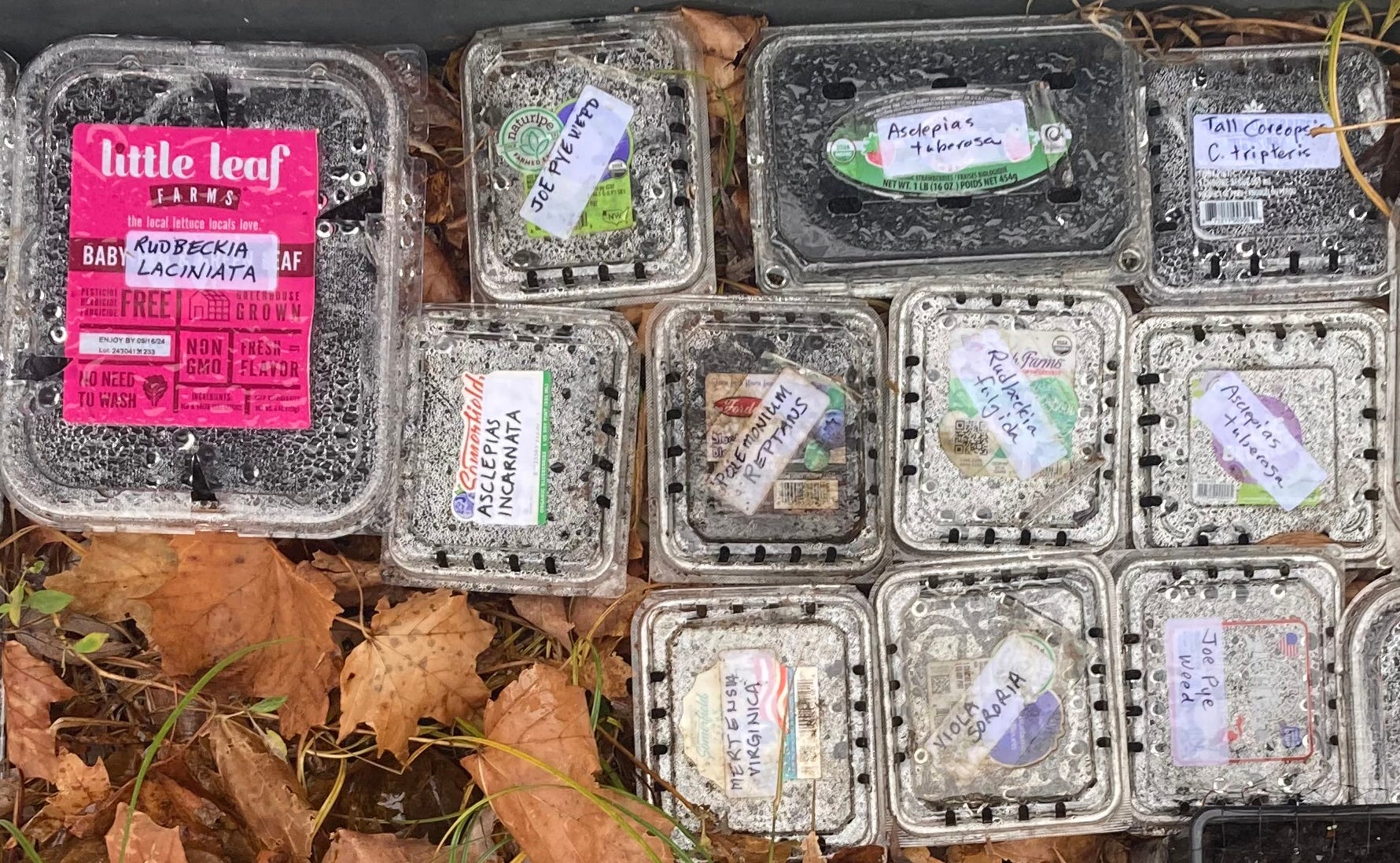
The wintersowing containers I use are recycled clear plastic berry and lettuce containers that are deep enough to hold two or more inches of soil and leave about an inch of clearance above the soil level to accommodate the sprouting seedlings. The classic wintersowing container is a gallon-sized plastic milk jug, pierced on the bottom with a knife or ice pick to create drainage holes, and cut off an inch below the handle; the top and bottom parts will be taped back together after the seeds are sown. Whatever container you use, cut drainage holes in the base if it doesn’t have them already. Containers with lids help the soil stay moist and also keep out squirrels and other critters who like to dig in soft soil. Small, recycled plastic nursery pots can also work, if covered with screening. Label the containers with a marking pen that resists fading in sunlight; a Sharpie works well for me. If you use a milk jug you can mark right on the plastic; I use self-stick labels and cover them with clear postal-grade tape to keep the water out.
Put about two inches of soil in each container. I use purchased compost, because my garden soil is full of weed seeds. Avoid soil mixes with added fertilizer, because native plants don’t do as well in highly fertile soil. Please avoid soil mixes with peat; although it’s a good seed-starting medium, our native peat bogs are endangered and need to be left alone. Moisten the soil before planting the seeds.
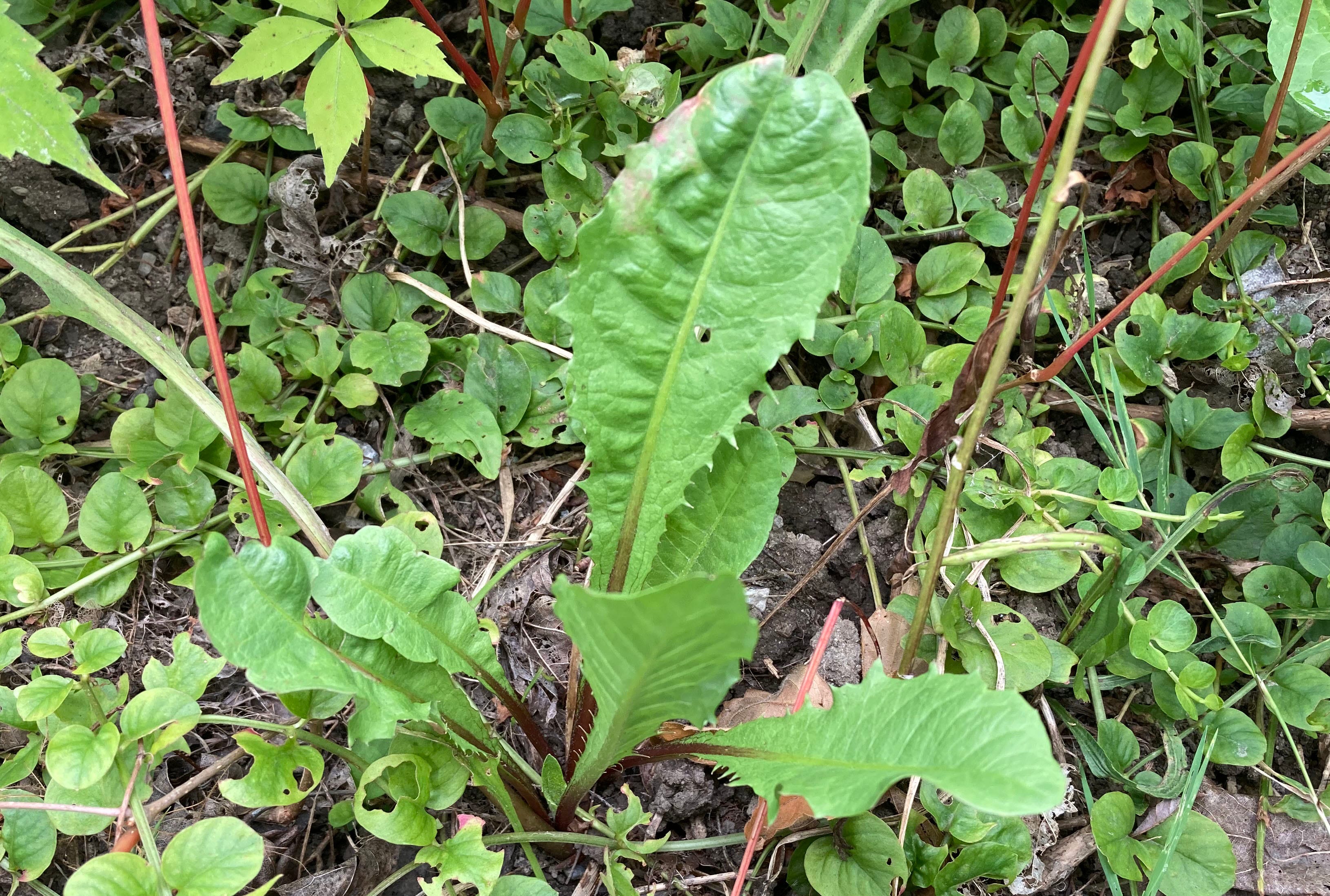
You may want to plant large seeds like butterflyweed and coreopsis tripteris about an inch apart, but smaller seeds can be sown thickly. The smallest seeds will germinate most successfully with only a light dusting of soil over them. Larger seeds can be planted twice as deep as they are wide. If using milk jugs, tape the top and bottom of each jug closed; leave the cap off so rain and snow can get in to keep the soil moist.
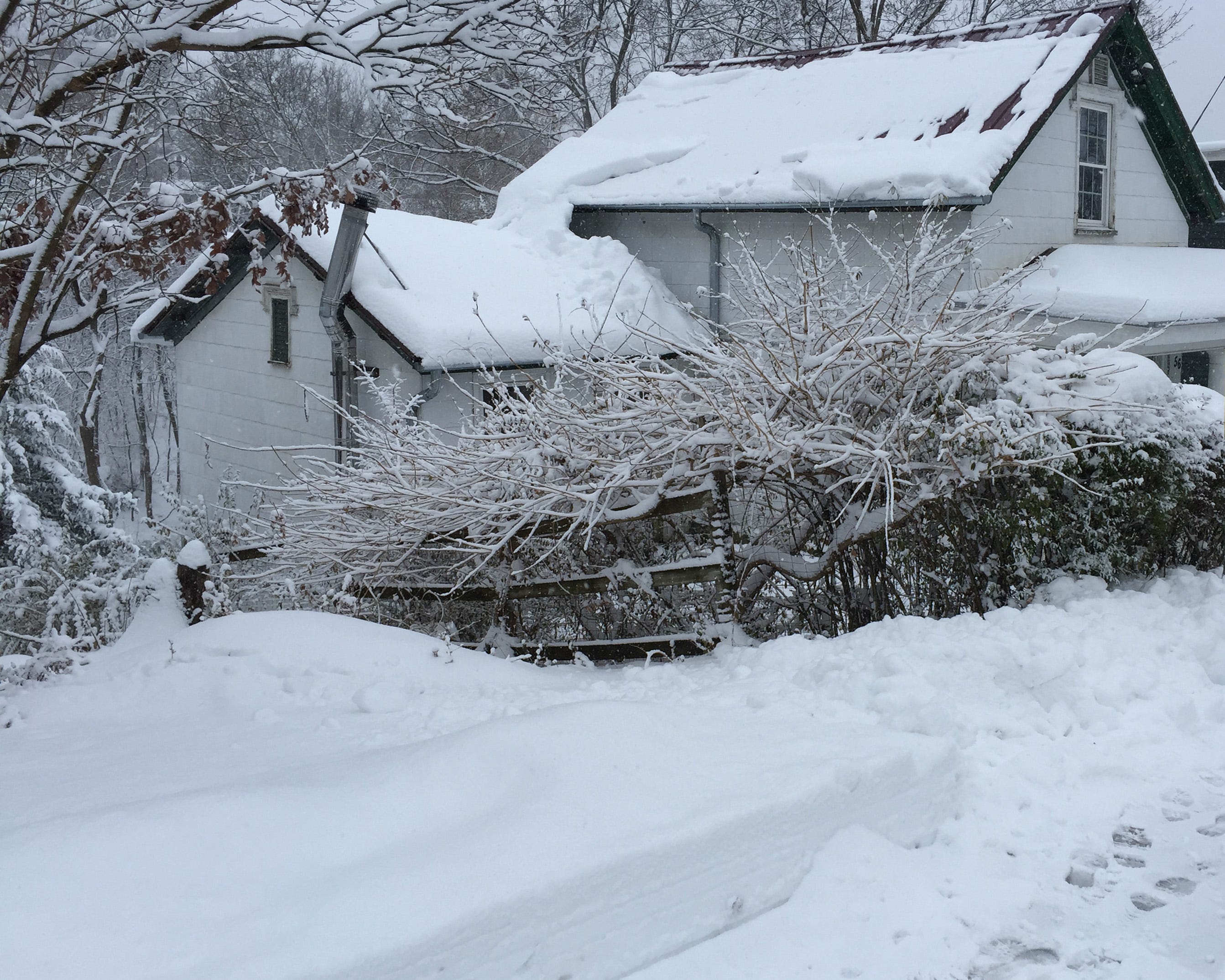
Leave the containers outdoors in a place where you will remember to check them occasionally over the winter. Avoid areas of full sun, where the containers could get too hot on sunny days; early morning or late-afternoon sun is fine. They won’t need much attention, except in dry, windy weather, when you may need to add some water to keep the soil from drying out. It’s okay if snow covers the containers. It’s also okay if the soil in the containers freezes. Our native plants in cold winter areas are adapted to winter conditions and, in fact, need them in order to germinate.
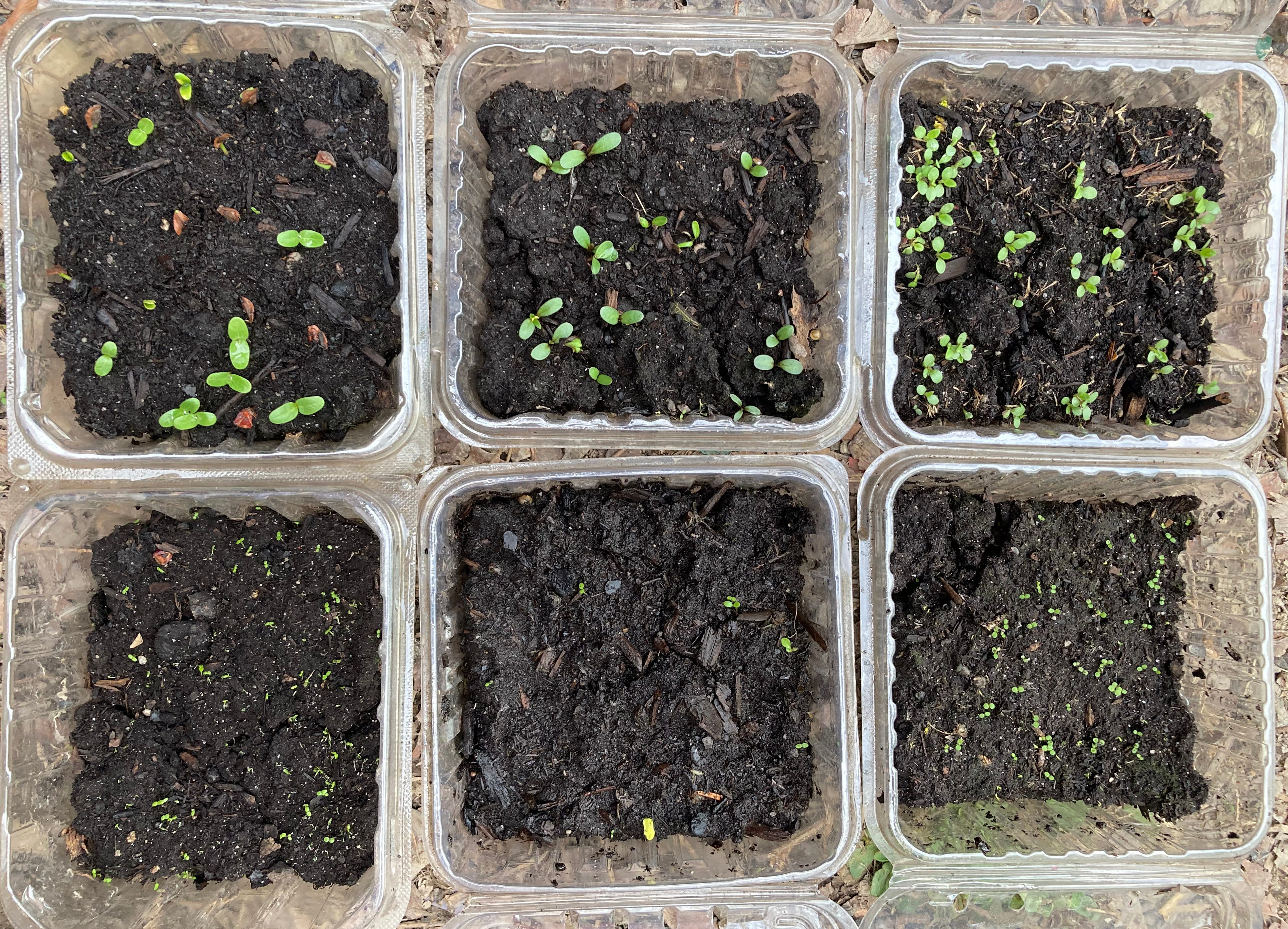
As the weather warms in spring, it’s exciting to see what germinates first. Once the seedlings have a pair of true leaves, they can be planted out. You can gently tease the roots apart and plant one seedling at a time, or you can plant the seedlings in small clumps, letting the strongest plants in the clump outcompete the weaker ones, the way they do in the wild.
It's great to hear this. Do let us know how your wintersowing plans progress!
Love the tips, although I know I won't actually get out there and plant enough seedlings to cover the area I've got, so here's what I do.
My seeding plans are the simplest:
Cover mowed area with cardboard for a season (started last summer).
Remove cardboard in early winter, sow seed directly (on killed lawn, in my case). Light rake with a branch or anything handy to help the seed get in touch with the soil.
Enjoy my "messy" native garden.
Where I live, snow doesn't hang around much, and grass might be growing in December, and start again in February, so my seeding is likely to happen in January. Direct seeding works great when it can get a blanket of snow on it. Protects it from foraging birds, and starts the natural process working right away.