

Resilience
Wild weather in the garden

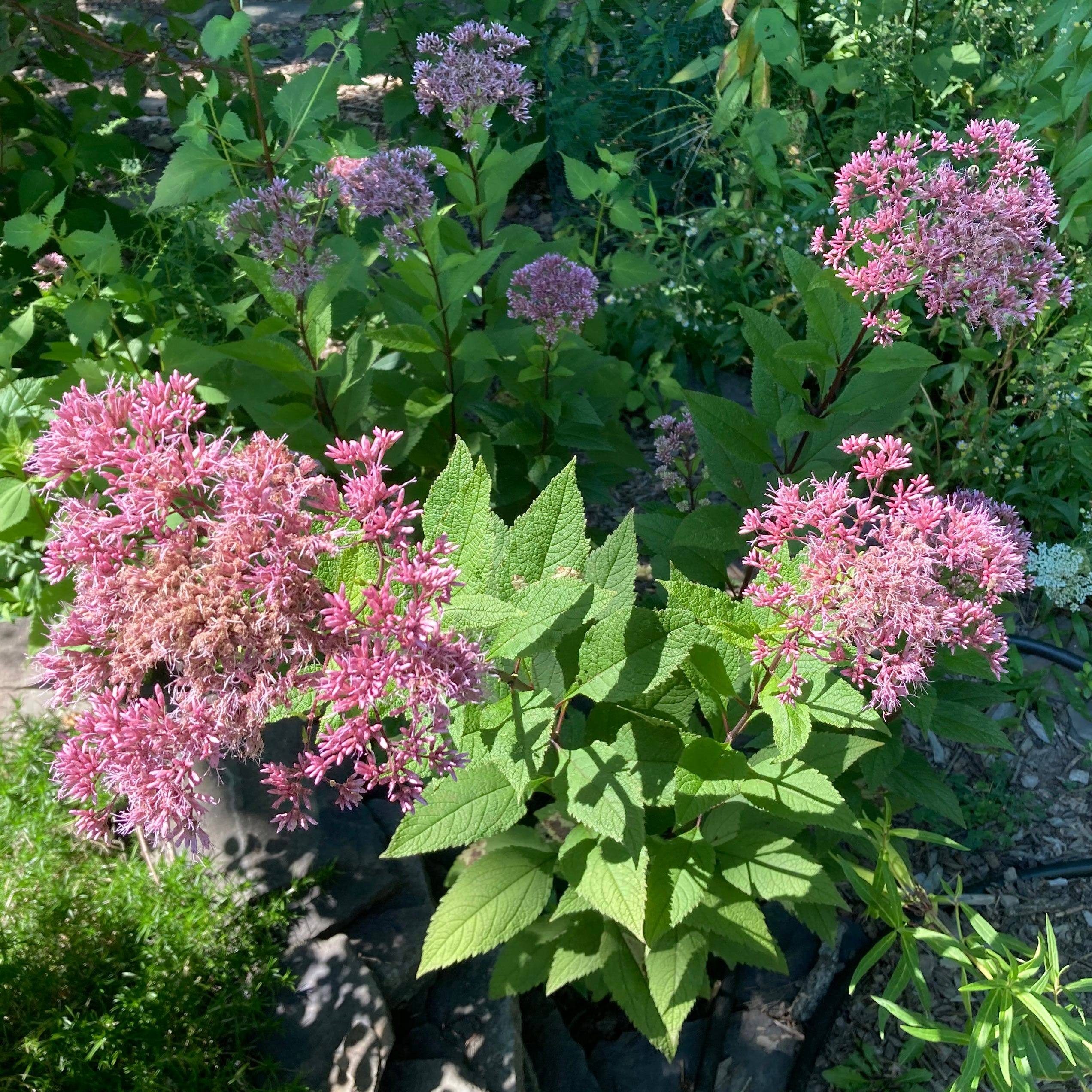
Last week in a single 24-hour period, six inches of rain fell in Catskill, New York, where I live and garden. It started raining after dark, kept raining through the night, and unleashed a heavy downpour all the next morning. Our basement was flooded, so I put my rainboots on and set up the sump pump. Then I added on a hooded rain jacket so I could walk through the garden to see what was happening there.
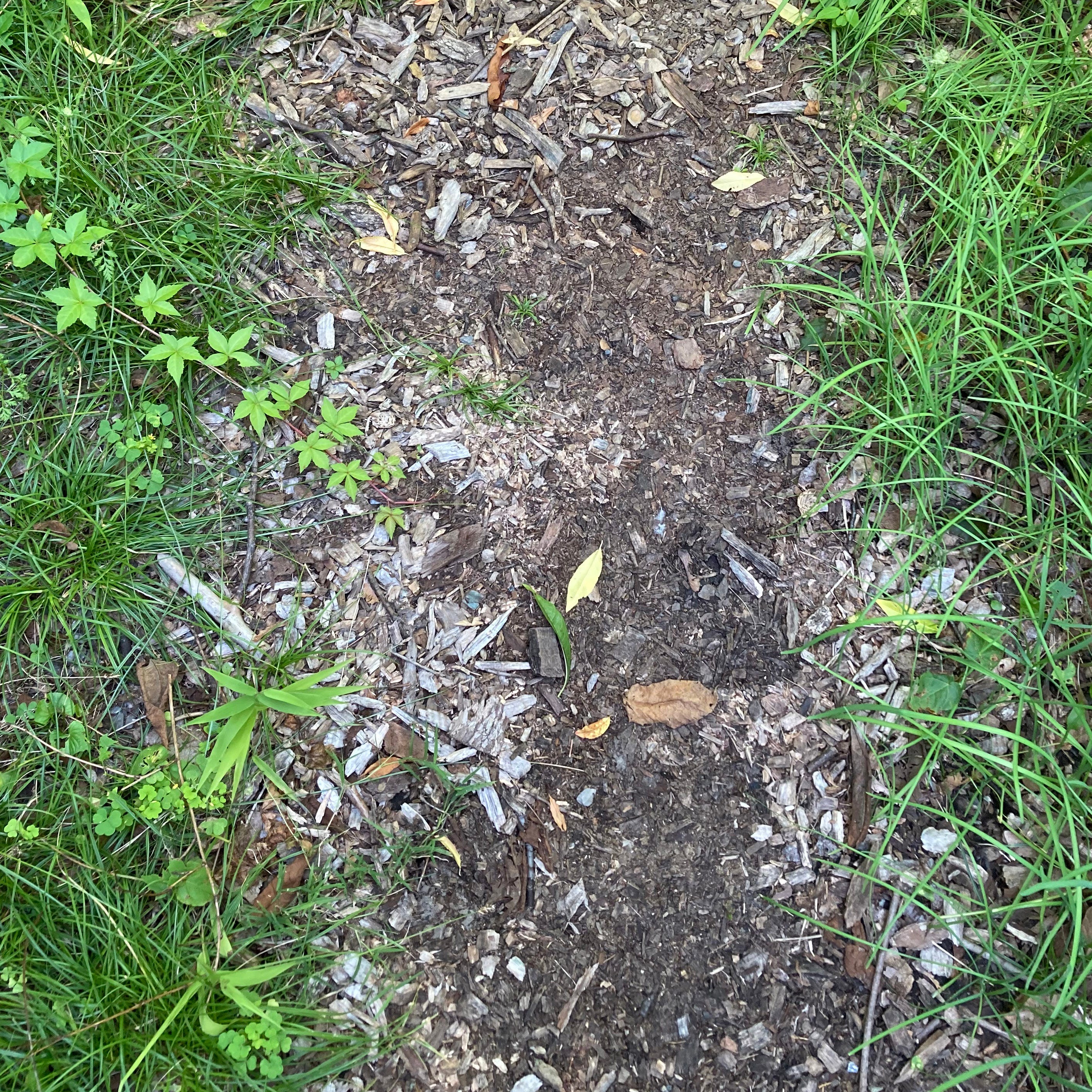
Since I didn’t bring my phone, I didn’t get pictures of the inch or so of muddy standing water in most of the garden or of the water rushing down the garden paths from its high end to its low. Our garden doesn’t slope severely, but it does slope, and the water pushed some of the wood chips down parts of the path to collect a bit lower down, leaving behind areas of almost bare soil.
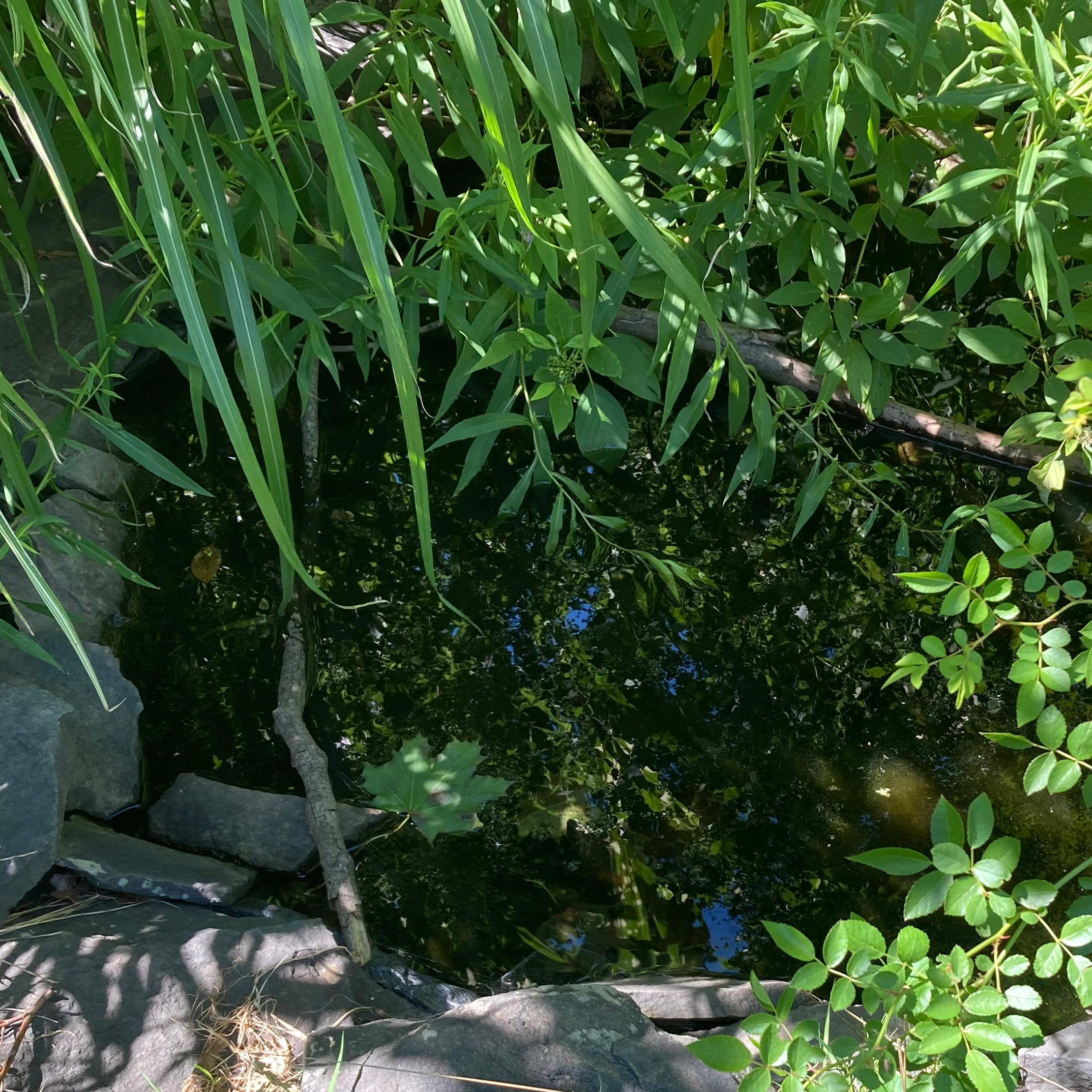
Our small pond brimmed with muddy water, but a few days later the water was clear again. I have been watching the tiny creatures swimming in it, hoping they are dragonflies or damselflies and not mosquitos.
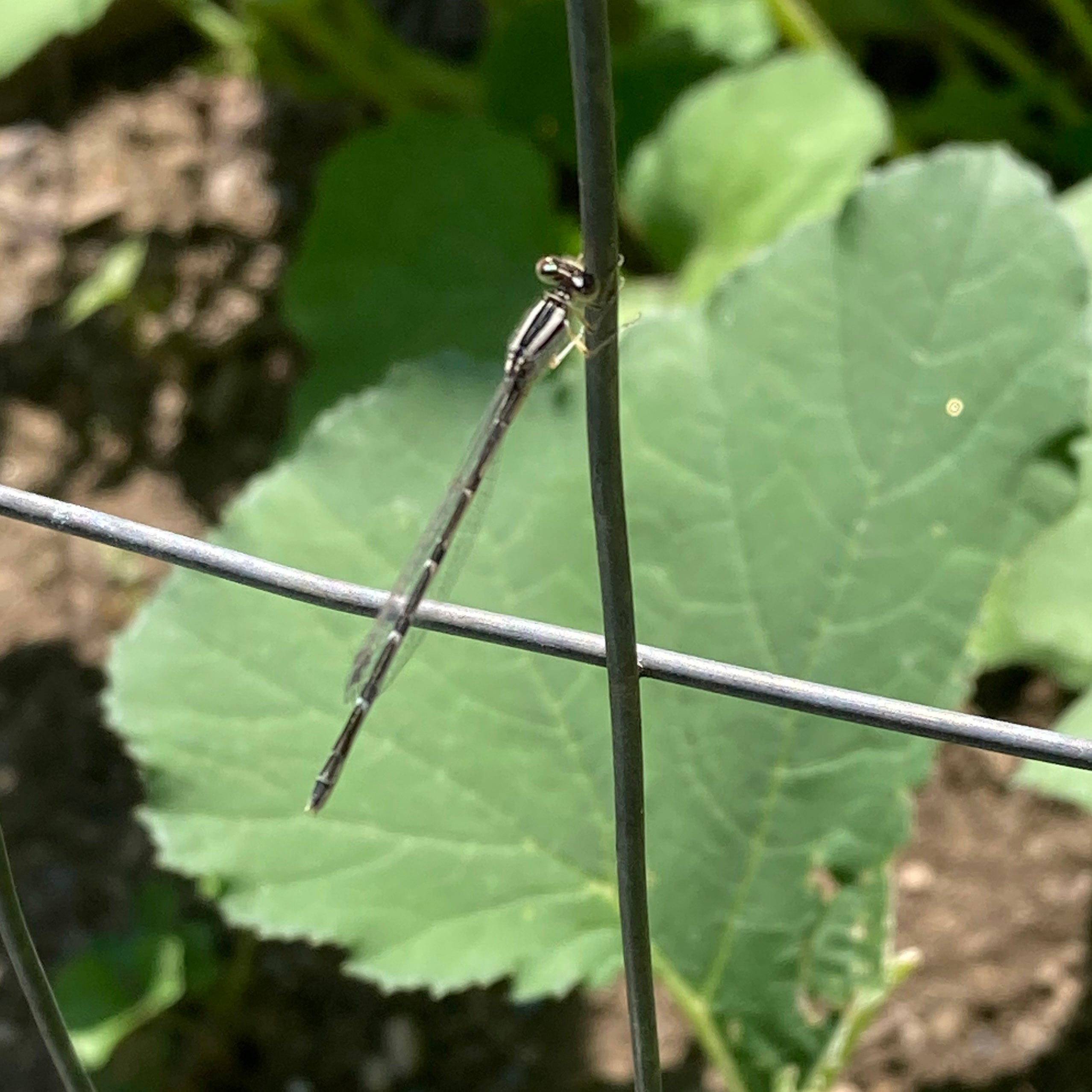
And this morning I saw a damselfly clinging to the protective wire around some of my summer squash plants. I think, based on a check at iNaturalist, this is an eastern forktail (Ischnura verticalis), probably a female, since they are less colorful than the males. Maybe she grew up in our little pond? Damselflies carry their wings folded over their bodies when they perch, whereas dragonflies keep them extended.
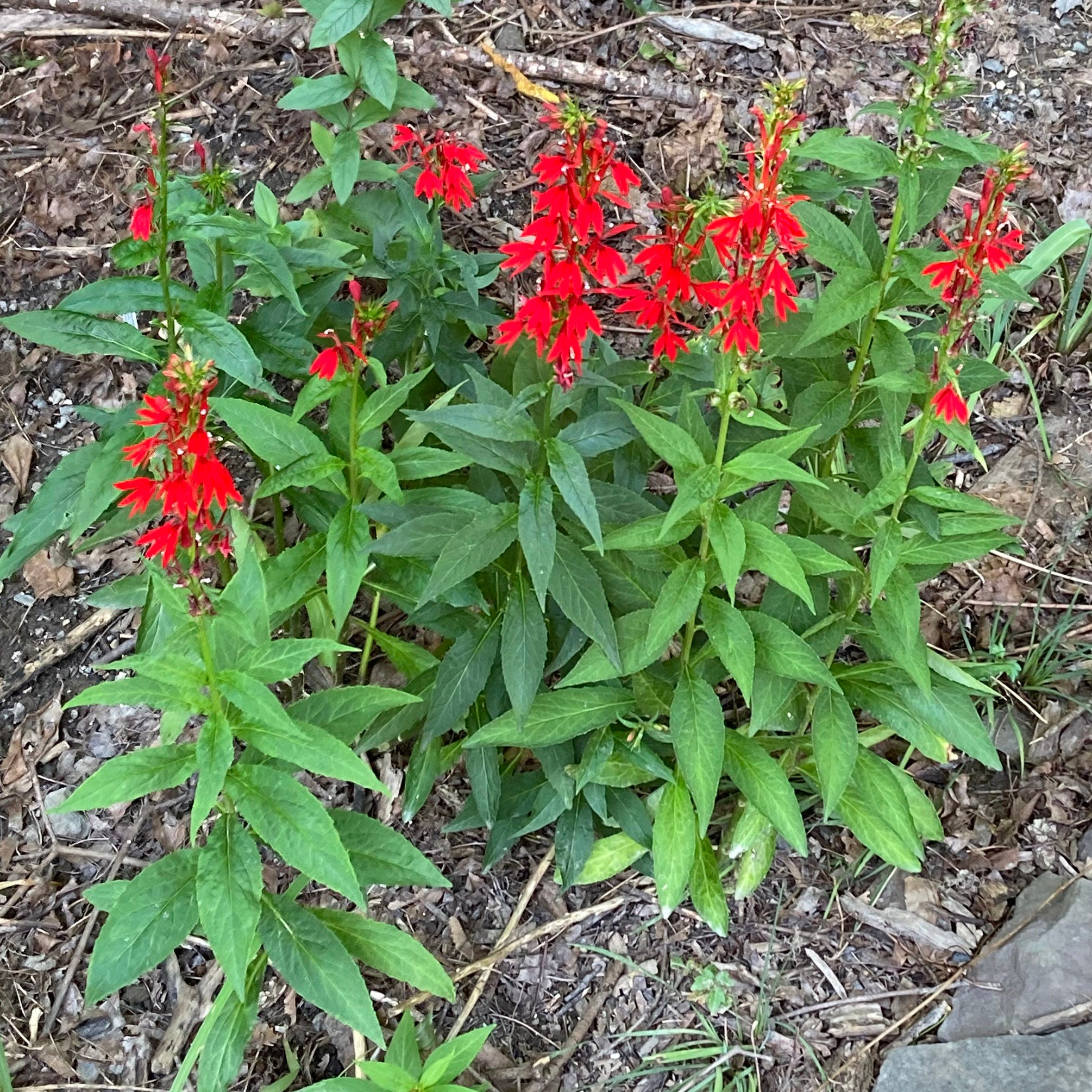
It surprised me how quickly the water in the garden subsided. We had to keep the sump pump running in the basement all day, and even then, the water kept rising to a depth of perhaps six inches or more. But when I went back out to the garden in the late afternoon, there was no standing water left, even in the lowest part of the garden where the water-loving cardinal flowers (Lobelia cardinalis) are growing.
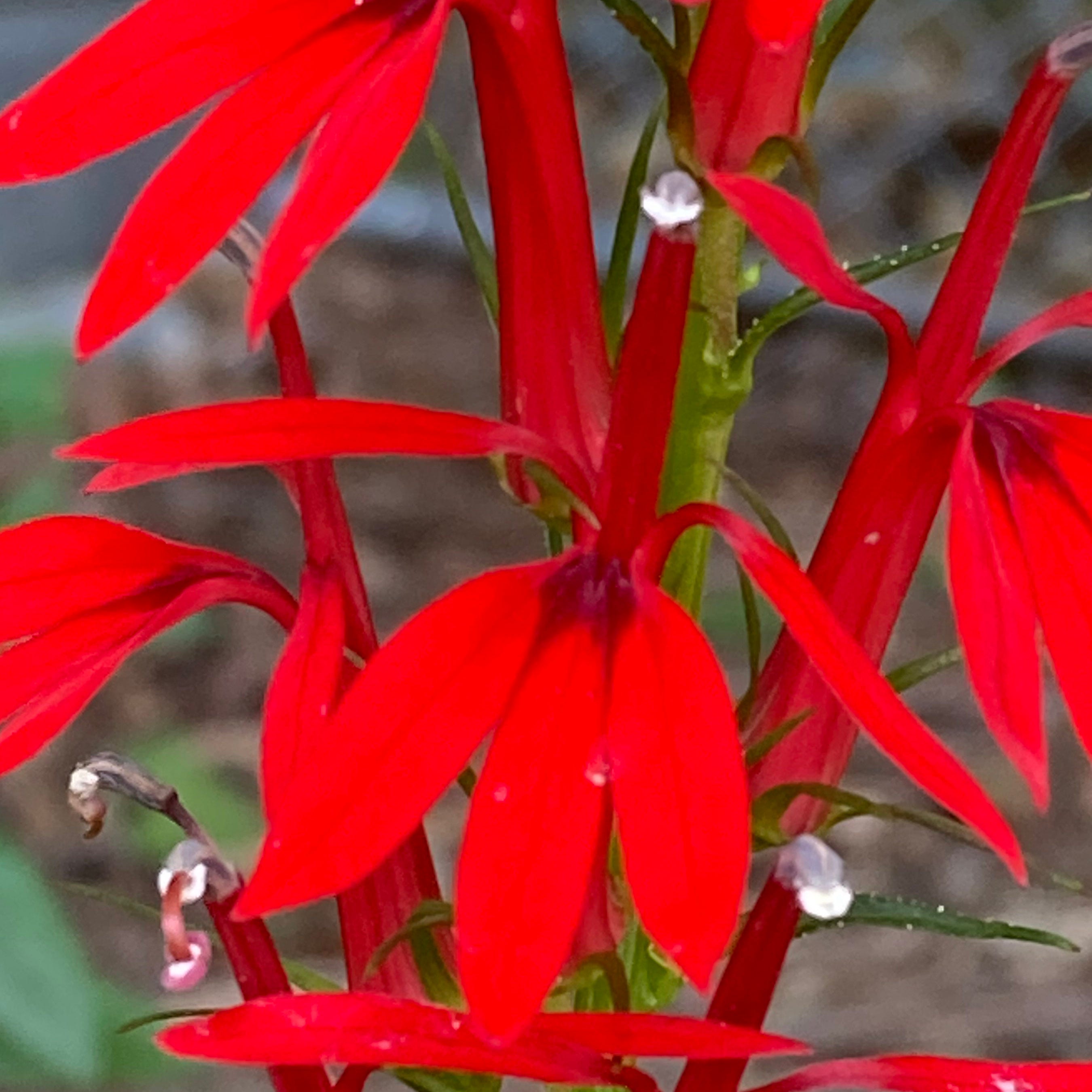
Cardinal flowers are the most intensely red flowers in my garden, perfectly adapted to attract hummingbirds. Each flower has three petals that grow downward, two that spread outward, and a white-tipped tube just the right length for a hummingbird’s beak to probe into for nectar, pollinating the flower as it goes.
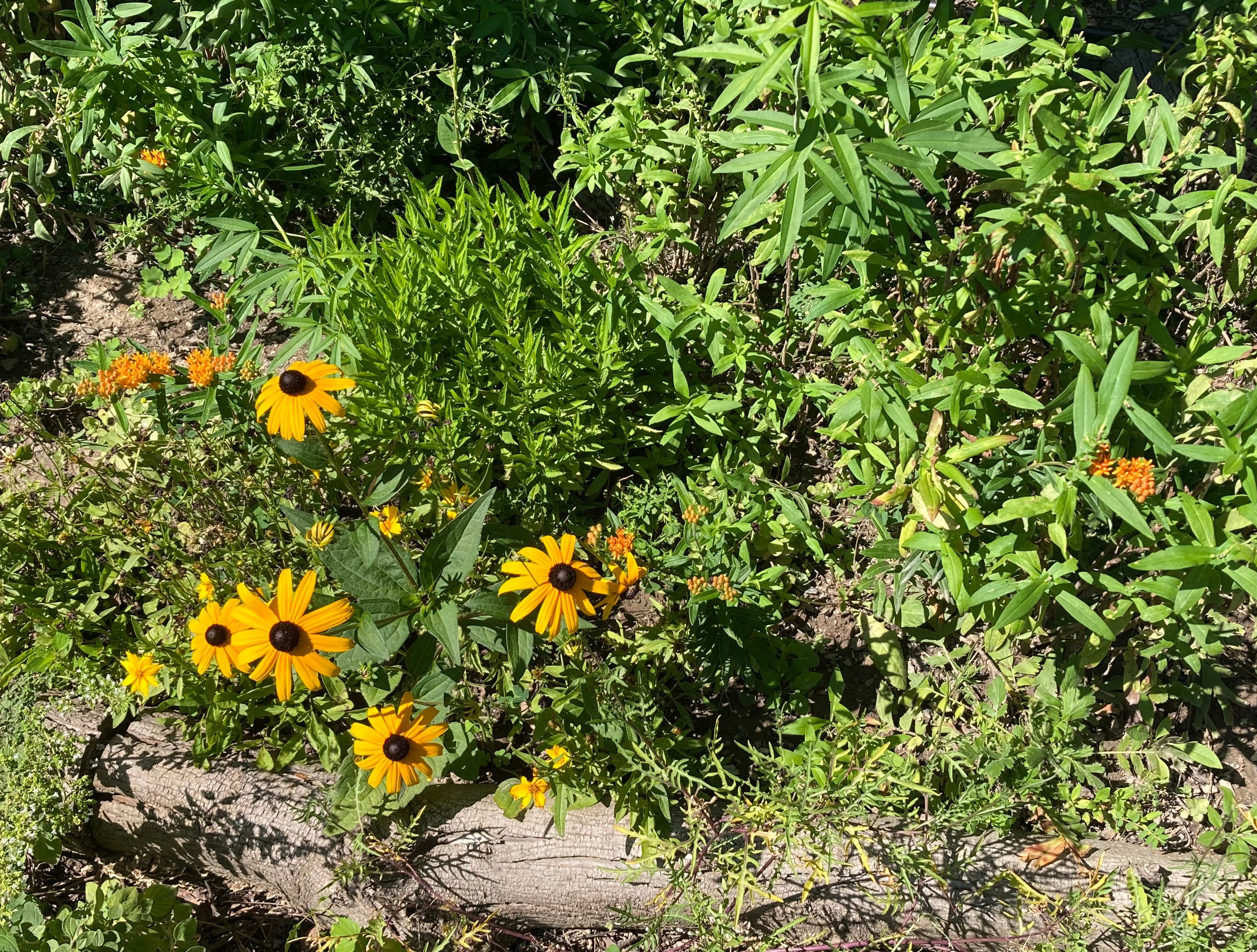
The group of summer-blooming yellow and orange flowers in my native wildflower bed are in a slightly raised bed, so did not have to cope with standing water. The coreopsis is no longer putting on as spectacular a show as it did earlier in the summer, but the black-eyed Susan (Rudbeckia fulgida var. sullivantii) is compensating and hinting that it might like to take over the bed. We shall see. Now that the butterflyweed (Asclepias tuberosa) is blooming, I’m pleased to see more of them in the bed than I thought had survived from last year. They bloom later than either common milkweed (Asclepias syriaca) or swamp milkweed (Asclepias incarnata), which have already finished blooming in our garden and are setting pods.
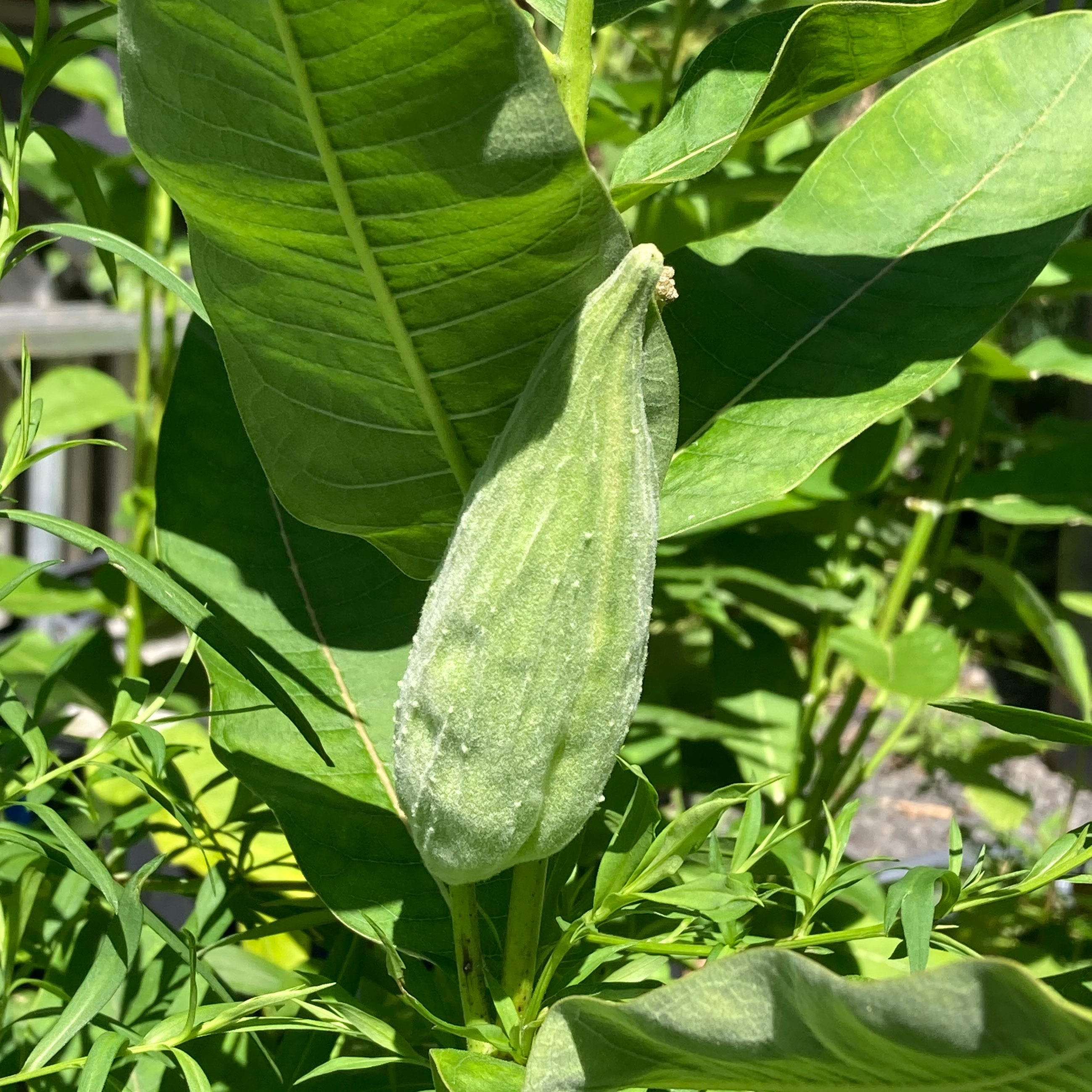
We’ve seen monarchs flying through the garden, and my husband saw one laying eggs on some of our common milkweed, so I’m eagerly awaiting caterpillars.
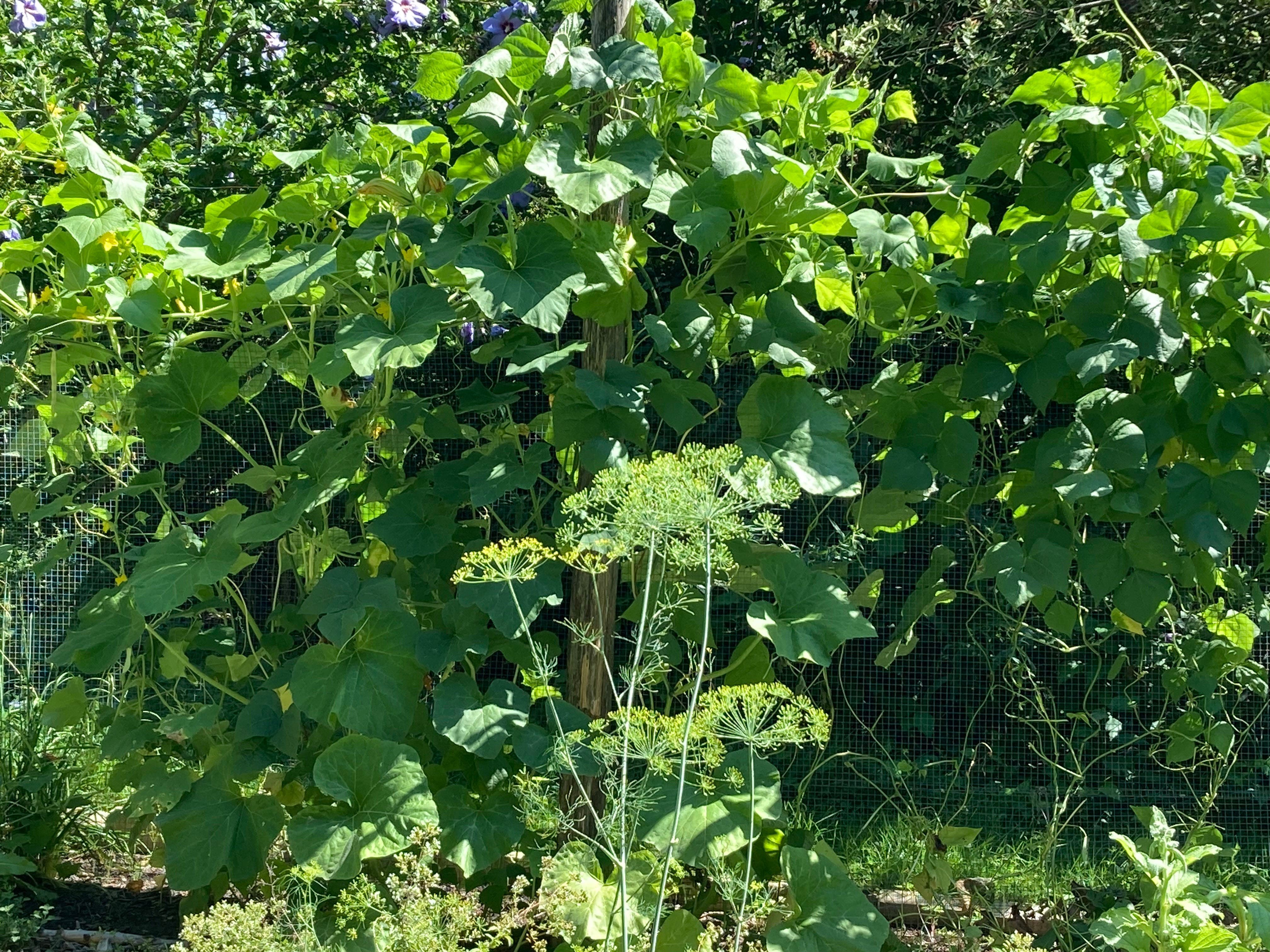
If the vegetable garden has suffered, it’s from the astonishing heat wave earlier this summer—it got too hot for some seeds to germinate—and from the voracious appetite of a groundhog that keeps finding its way through the fence. But the dill is doing fine, and the pole beans and winter squash climbing the garden fence are growing well, too, even if a deer seems to have stopped by and pruned some of their leaves.
How is your garden surviving this summer’s weird weather? Post a comment and share the news!