

Fringed Loosestrife
No, not that other one--this one is native

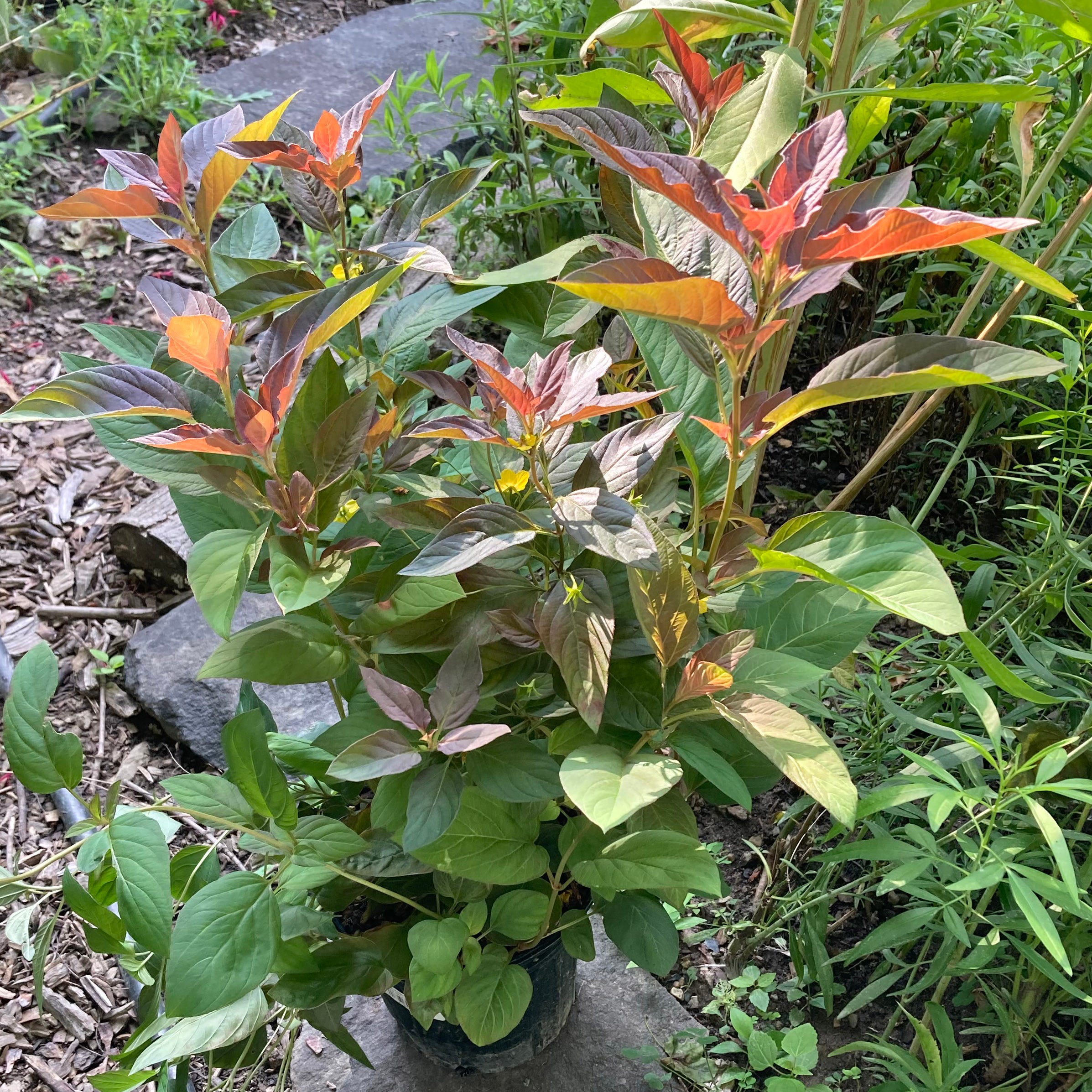
A year ago in May (May 25, 2025, to be exact), I took a walk with a friend in the Ramshorn-Livingston Nature Preserve, an Audubon Sanctuary in my hometown of Catskill, New York. Among all the good advice I was eagerly absorbing in the books I read about gardening with native plants, nothing was coming up about what plants grew naturally together in the wild. So I invited a bird-watching friend who was familiar with the Ramshorn-Livingston to join me on a walk to see just what was actually growing together. (Since then, I’ve found a great book by Jared Rosenbaum, Wild Plant Culture, that goes into wild plant communities in depth for northeastern North America.)
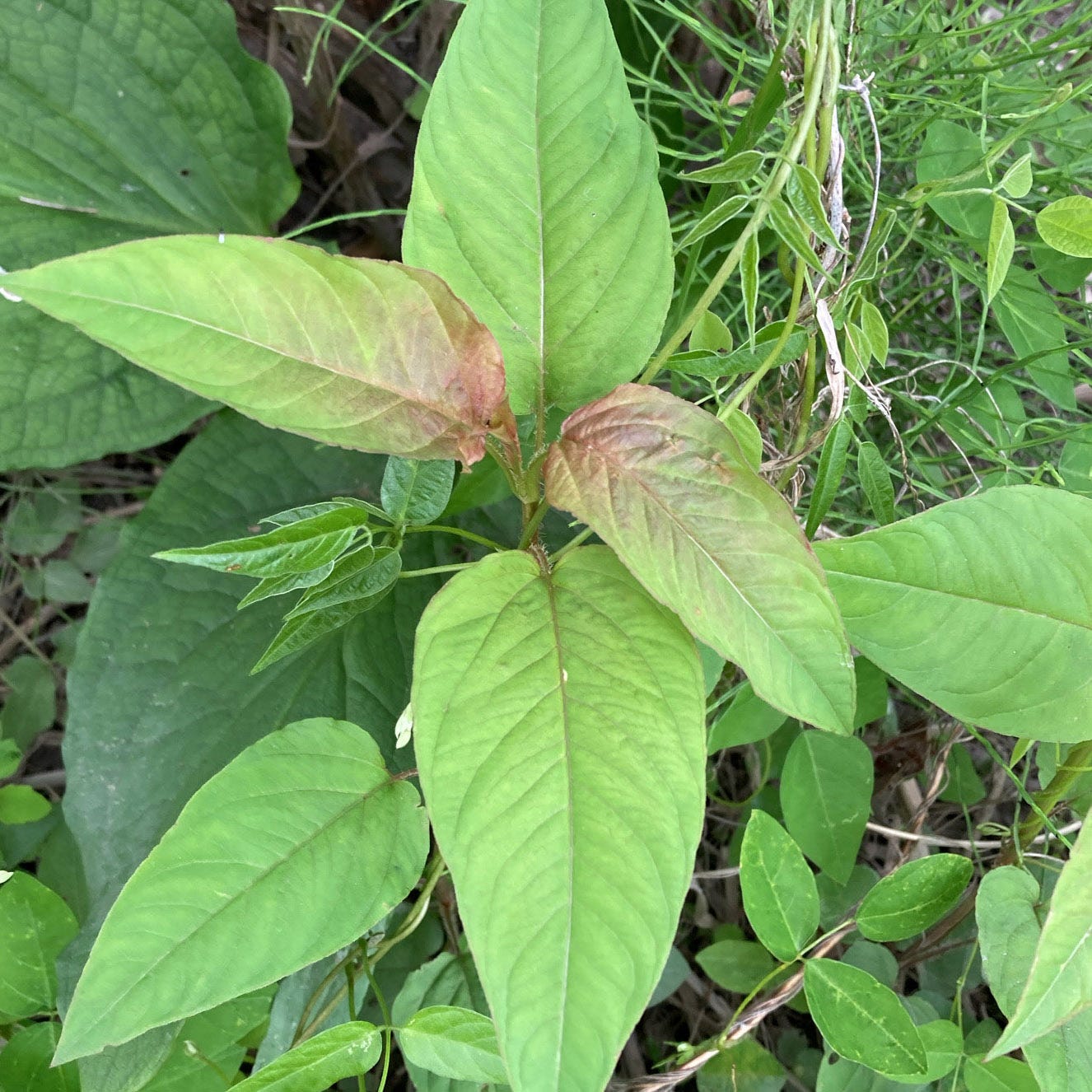
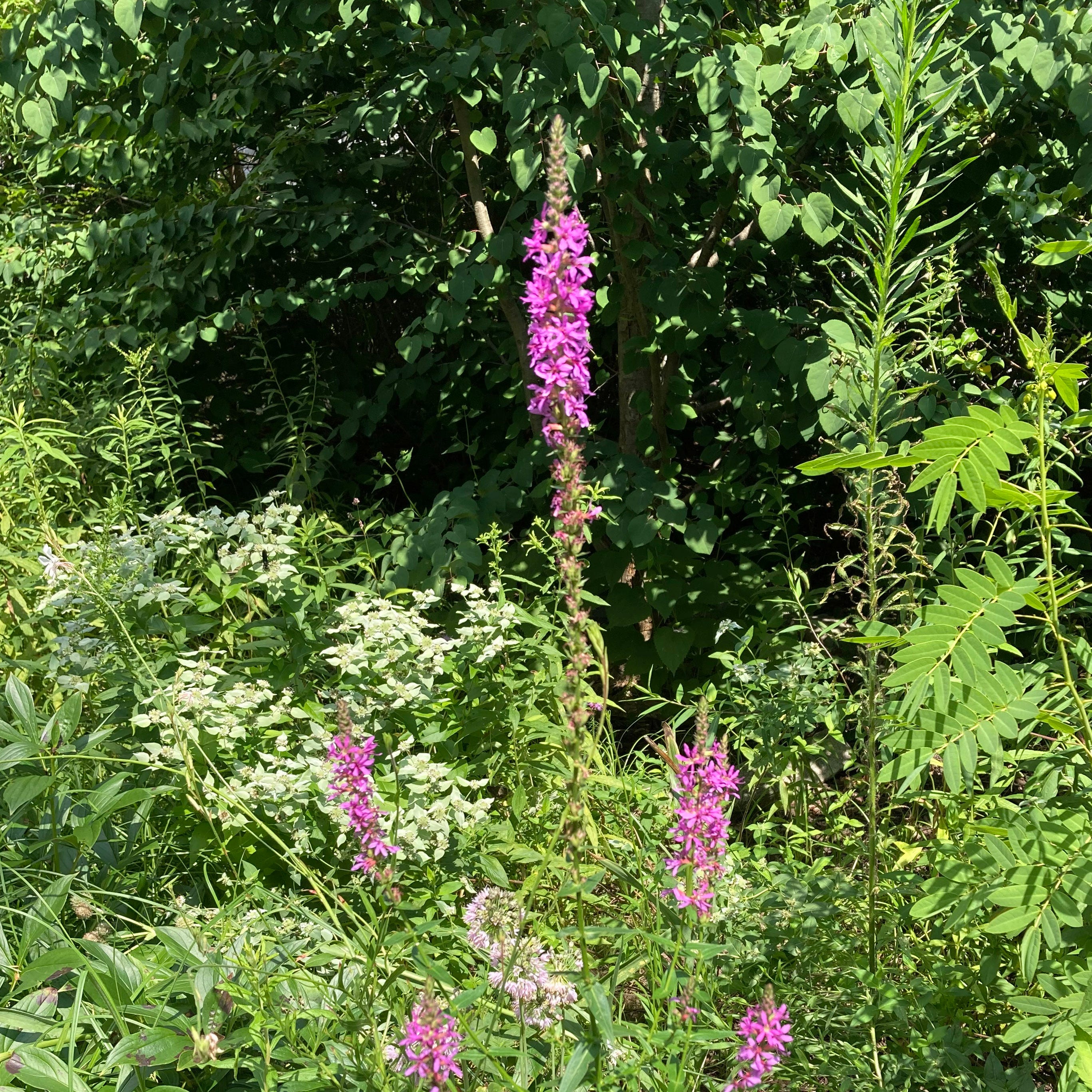
One of the plants that caught my eye was growing below a native ninebark shrub (Physocarpus opulifolius). It was not in flower, but the purplish-bronze color at the base of the new leaves looked, to my eyes, just as pretty as a flower. A search on iNaturalist identified the plant as fringed loosestrife (Lysimachia ciliata). “Loosestrife!” said my friend. But fringed loosestrife is a different plant entirely than the wickedly invasive (but pretty) purple loosestrife (Lythrum salicaria). Take a drive along the highway in August here, and you’ll see lots of candalabra-like purple loosestrife decorating the road margins.
Somewhere among the webcasts I’ve enjoyed about native plants, I came across the information that there is a bee named for fringed loosestrife, the fringed loosestrife oil collecting bee (Macropis nuda).
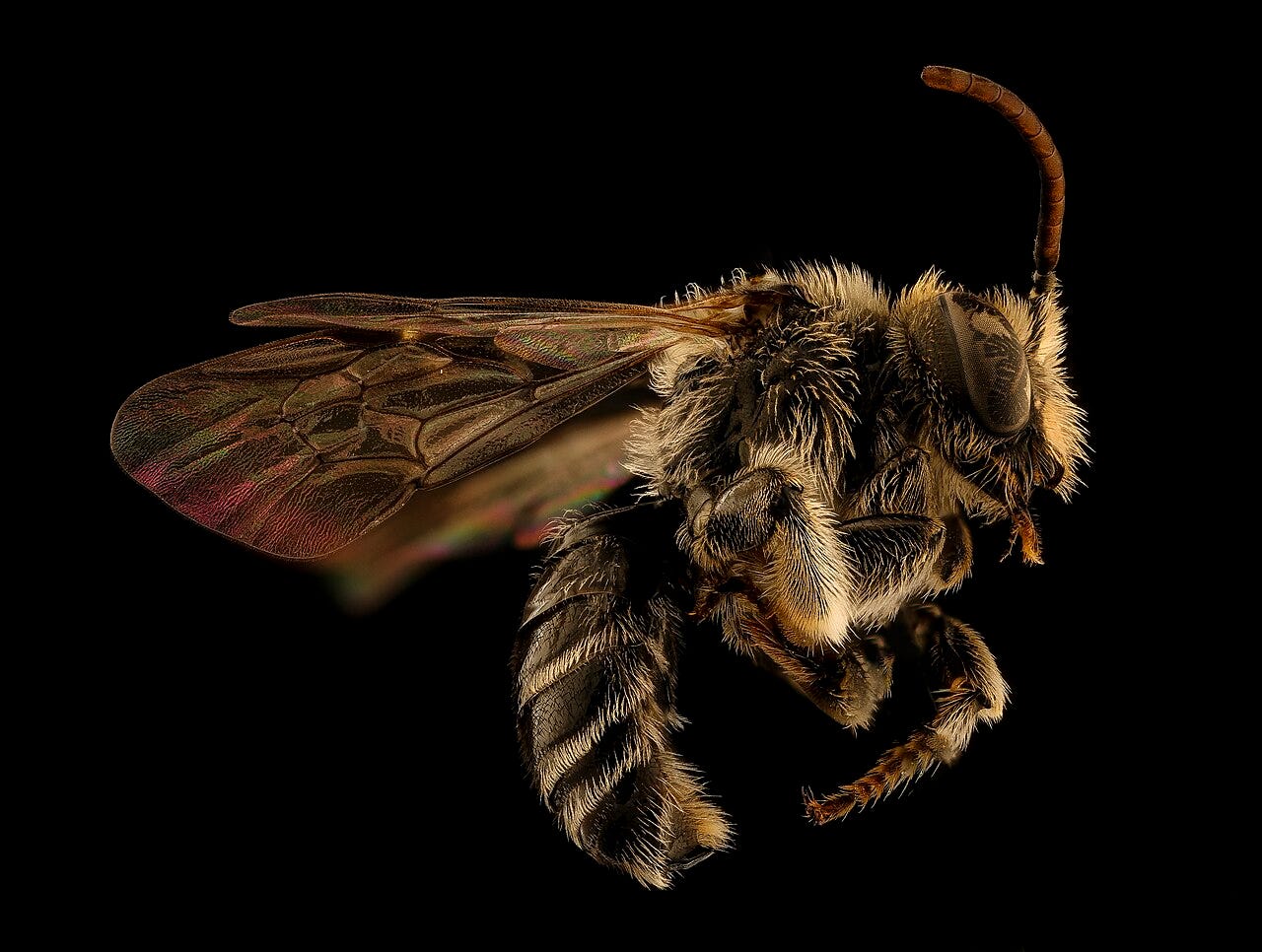
This little bee and the plant it’s named for have an intriguing relationship, depending on each other in an unusual way. Instead of producing nectar, the flowers of fringed loosestrife produce an oil that this bee uses to line its underground nests.
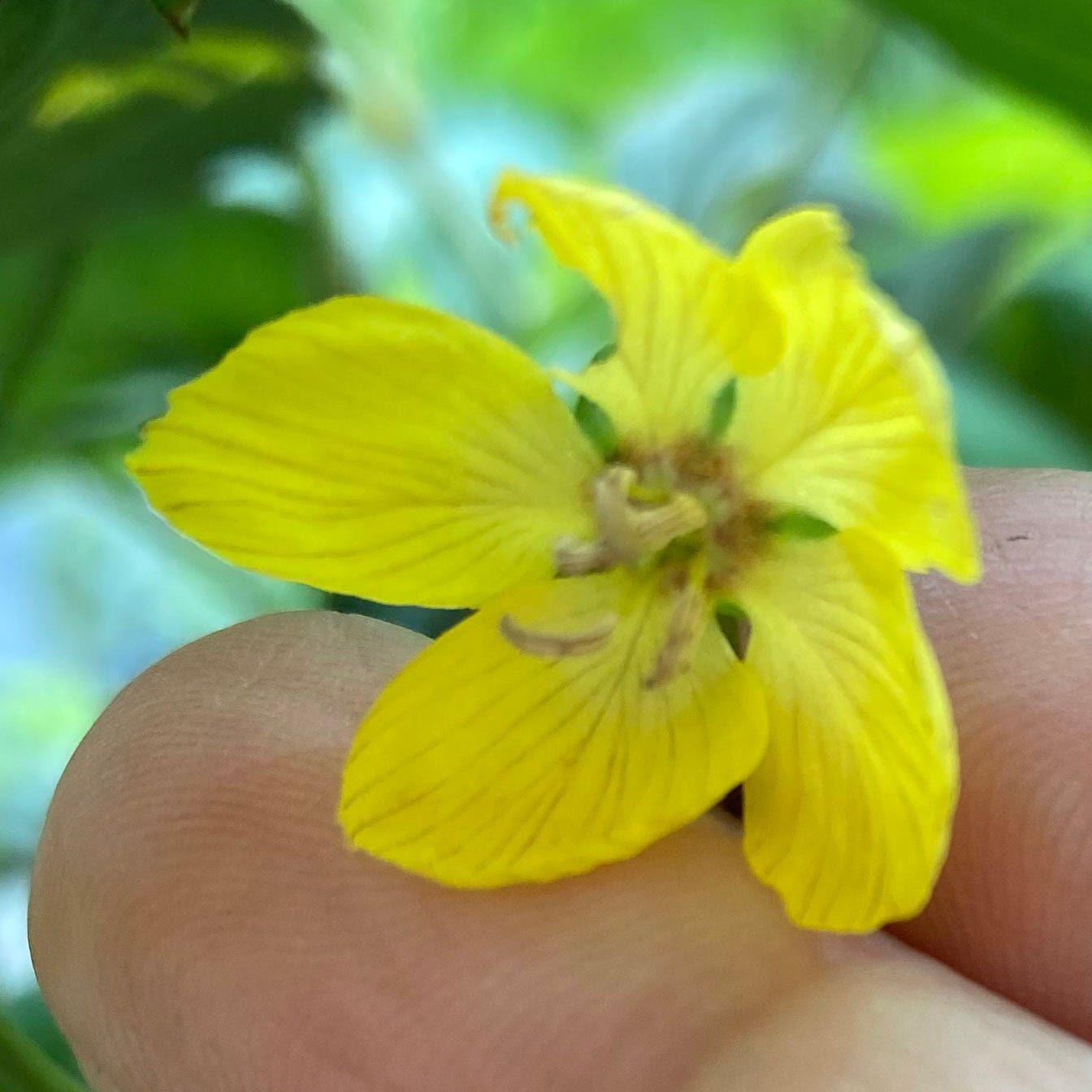
It also produces lots of pollen which the bee uses as food, after incidentally distributing it among other fringed loosestrife flowers while it forages among them, thereby pollinating the flowers.
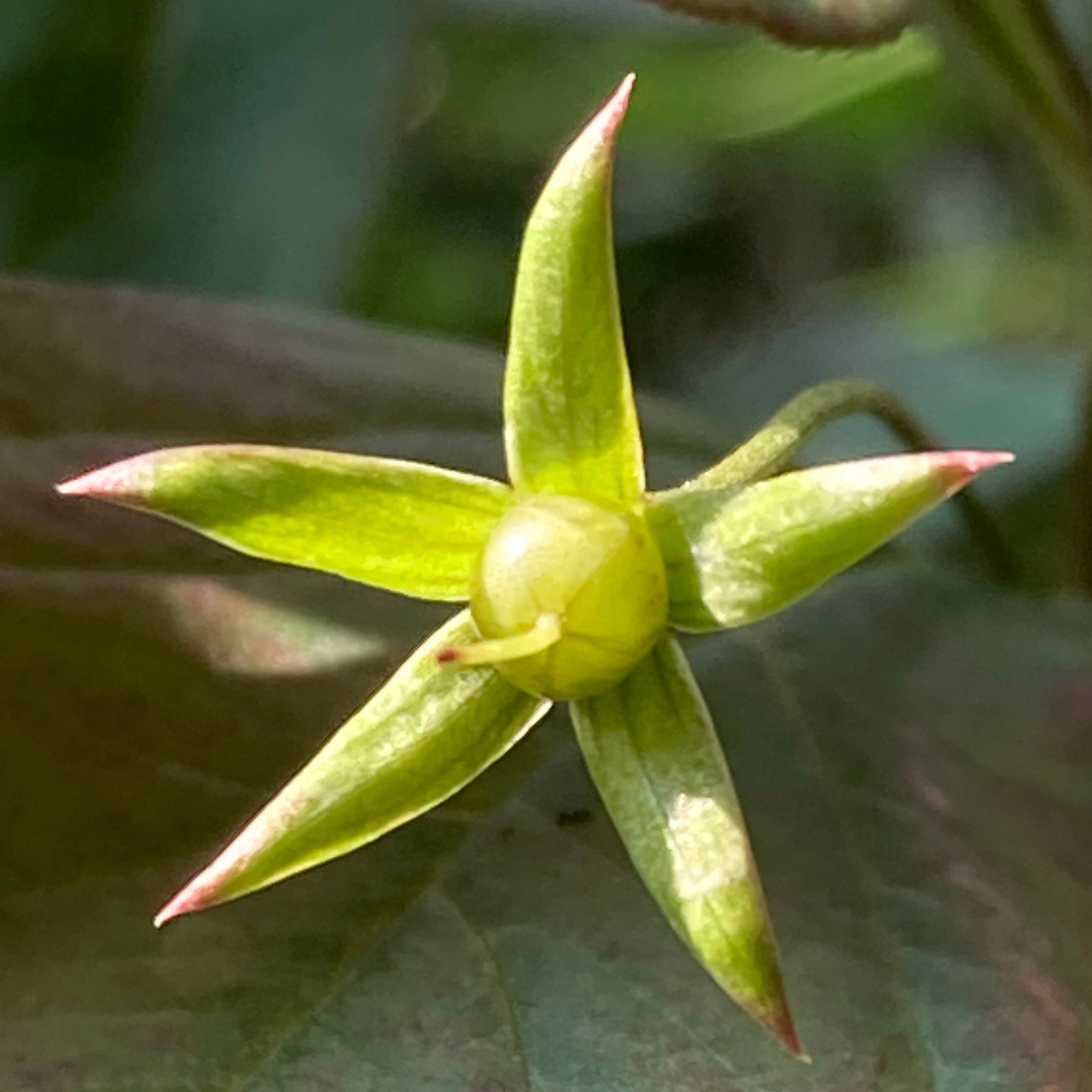
Populations of the fringed loosestrife oil-collecting bee are declining because they are utterly depending on fringed loosestrife, which is also declining. So I was already interested in this plant for my garden when I saw it at the Ramshorn-Livingston Nature Sanctuary, and when I saw how pretty its new leaves were, I became more interested. What I never expected was to find a plant at my favorite local garden store, Pondside. It stopped me in my tracks!
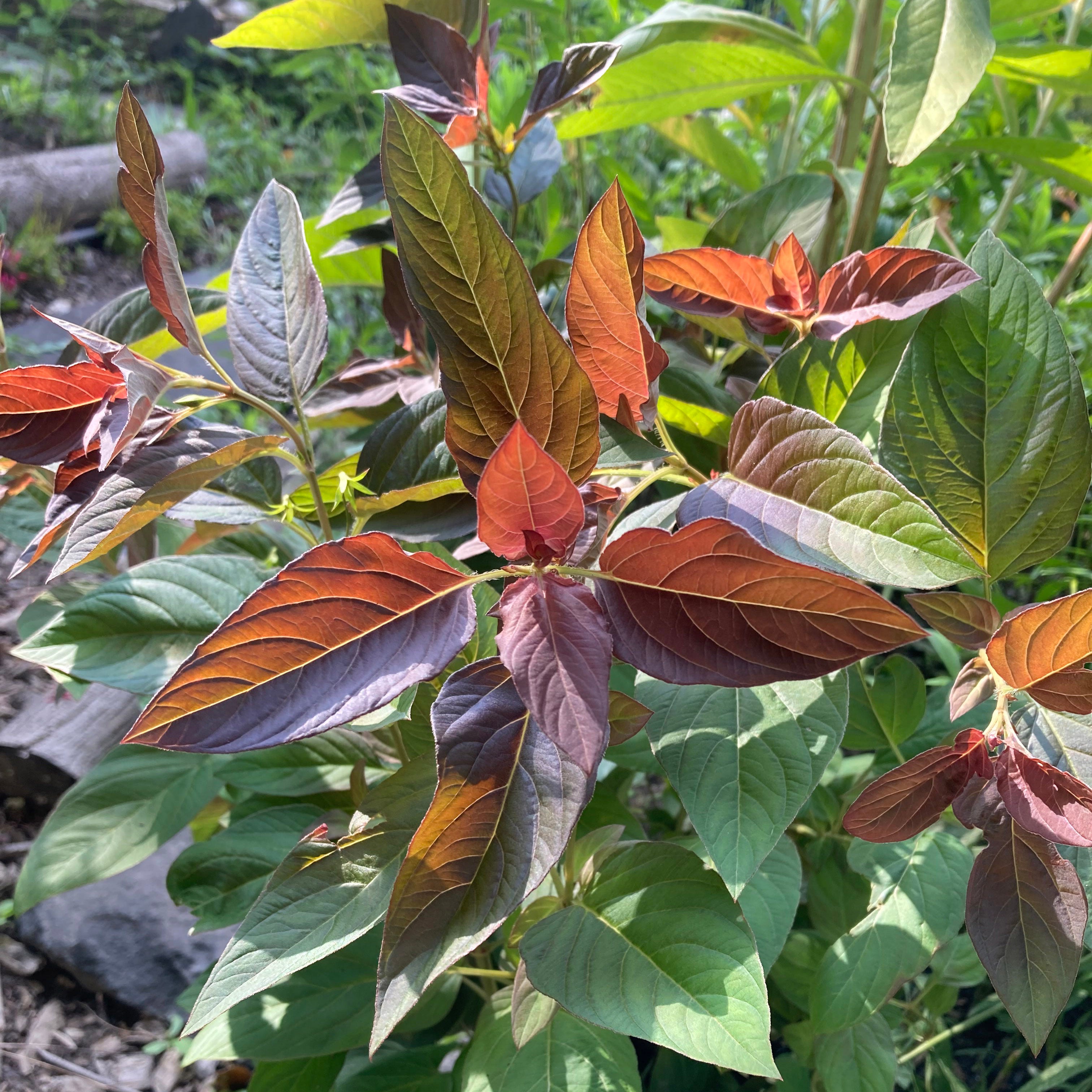
This is a cultivar, “Firecracker,” rather than a straight native that would be just like a plant found in the wild. Its new leaves are more solidly bronze-purple than the straight native, but it seems otherwise the same. Certainly, its flowers should help sustain any fringed loosestrife oil-collecting bees that come across it. I’ll be adding it to one of my wildflower beds. There’s a spot between a heliopsis and a young winterberry bush where we accidentally planted an oxeye daily given to us by a friend who thought it was native.
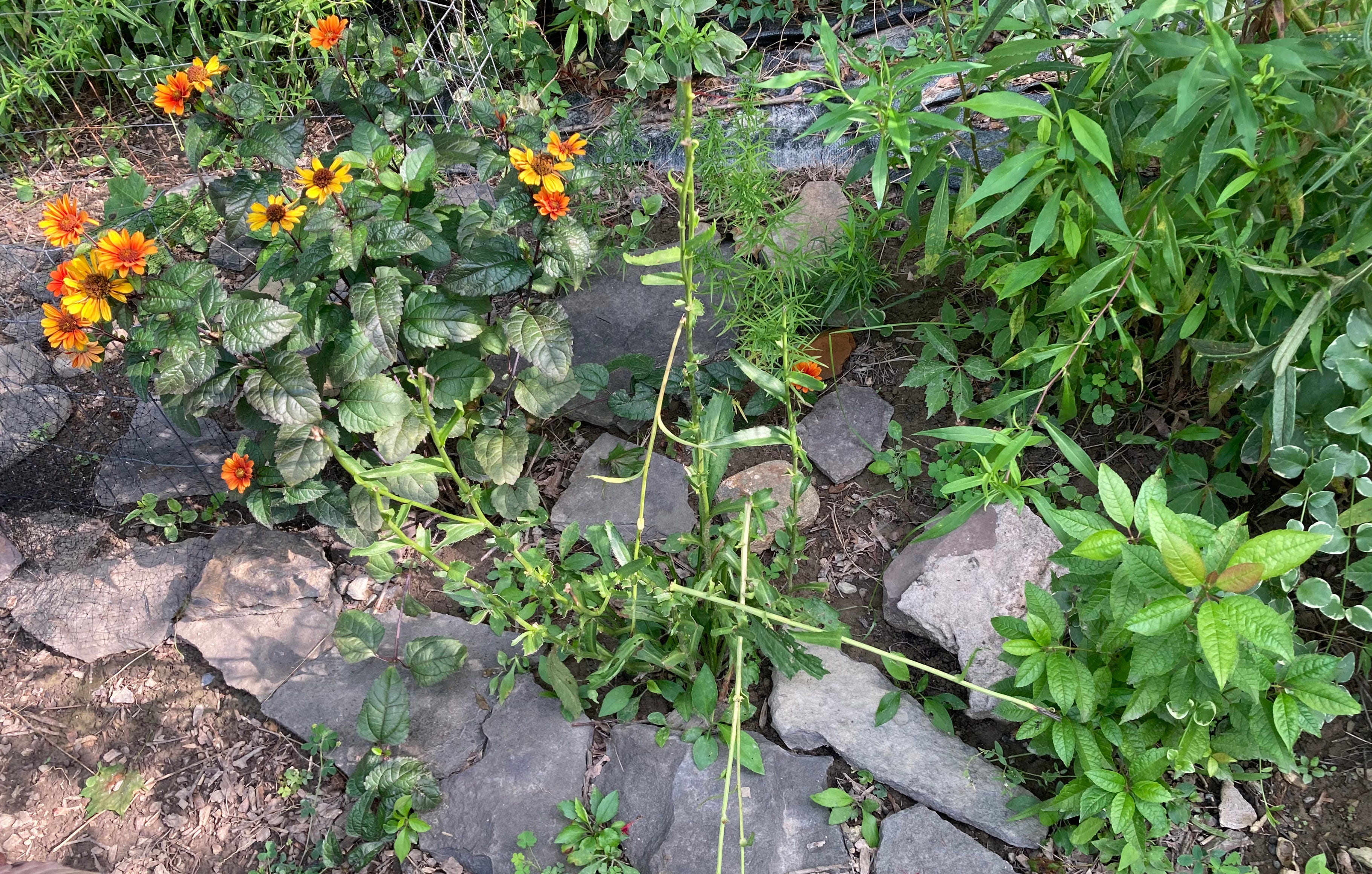
Oxeye daisies (Leucanthemum vulgare) were brought to America from Europe in the 1800s as an ornamental garden plant. They have spread so aggressively in the wild here that many people think of it as a native wildflower. I’ve been planning to take it out before it sets seed, but our resident groundhog ate the flowers—evidently a delicacy—so it’s still in place, looking quite ratty. The fringed loosestrife should look quite nice in its place, and it’s supposed to be deer, rabbit and presumably groundhog resistant. Perfect!