

Five Herbs
My favorite herbs to grow

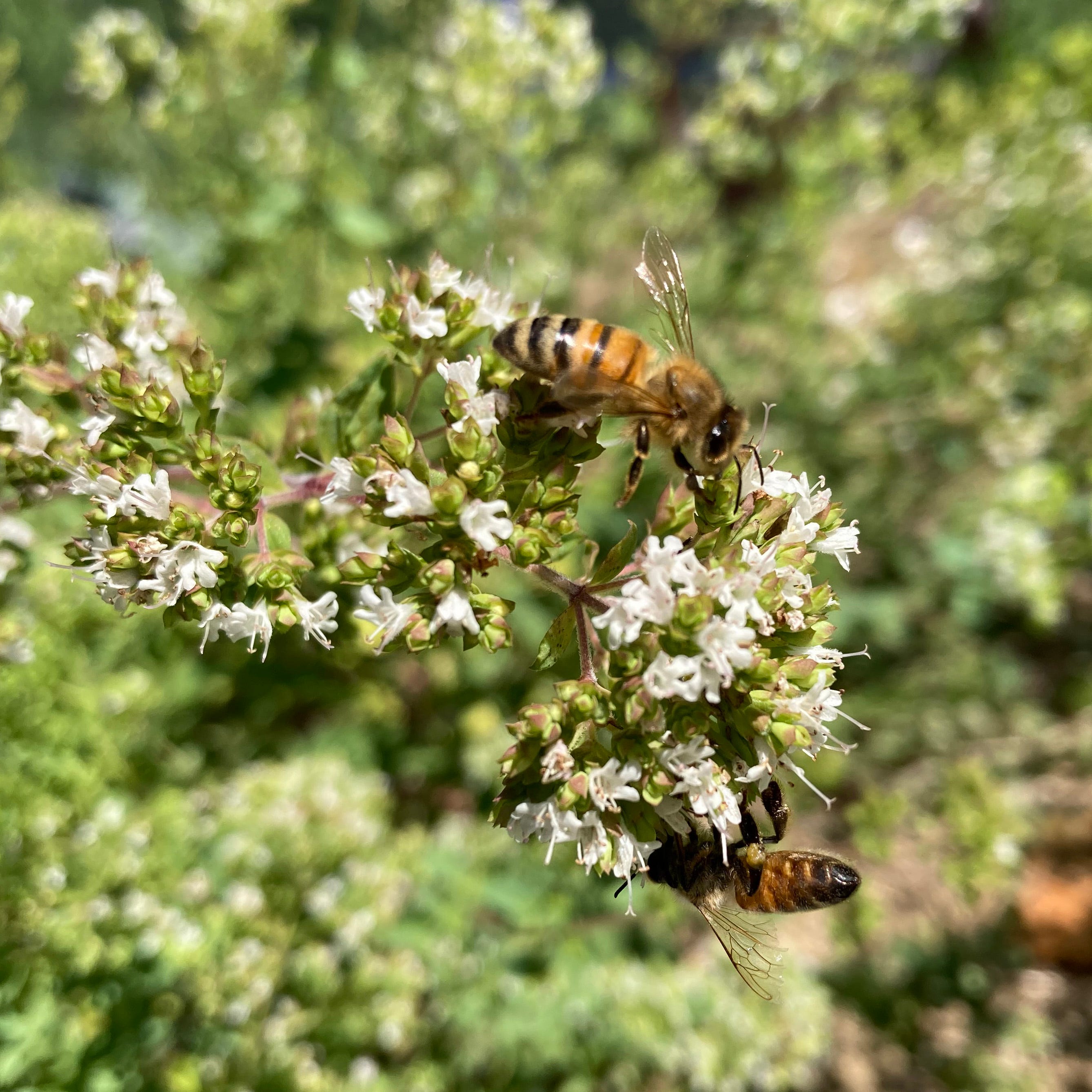
Herbs are among the easiest and most rewarding plants to grow. They resist pests, don’t need constant watering, and add delicious flavor boosts to almost every meal. These are the five herbs I most love to grow:
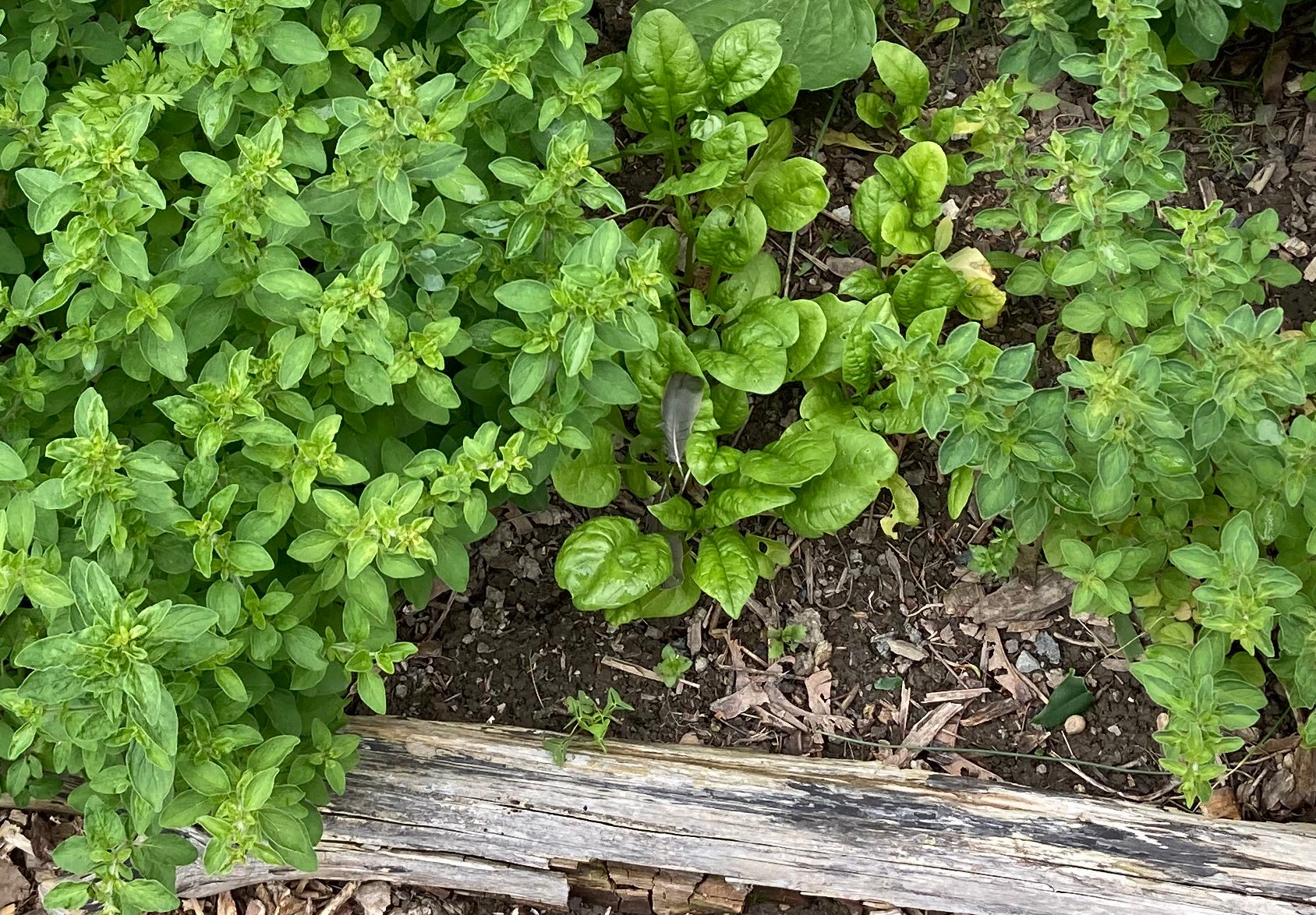
Oregano is essential for spaghetti, pizza and other Italian-style meals. It’s just as necessary for south-of-the-border cooking. One of my husband’s favorite meals is a quesadilla made with cheese, refried beans with onions and garlic, avocado, lettuce—and of course a generous amount of fresh, chopped oregano. Oregano is so easy to grow. I started with a few small nursery plants. Each enlarged into a clump that attracts beneficial insects like hoverflies when it flowers. Let oregano go to seed, and it will scatter its babies all around the garden, which can be moved to wherever you might want them. It helps repel pests, because the scent that so appeals to us humans is not enticing to other creatures, like the slugs that have been feasting on some of my young spinach plants—but not on the spinach growing between two clumps of oregano.
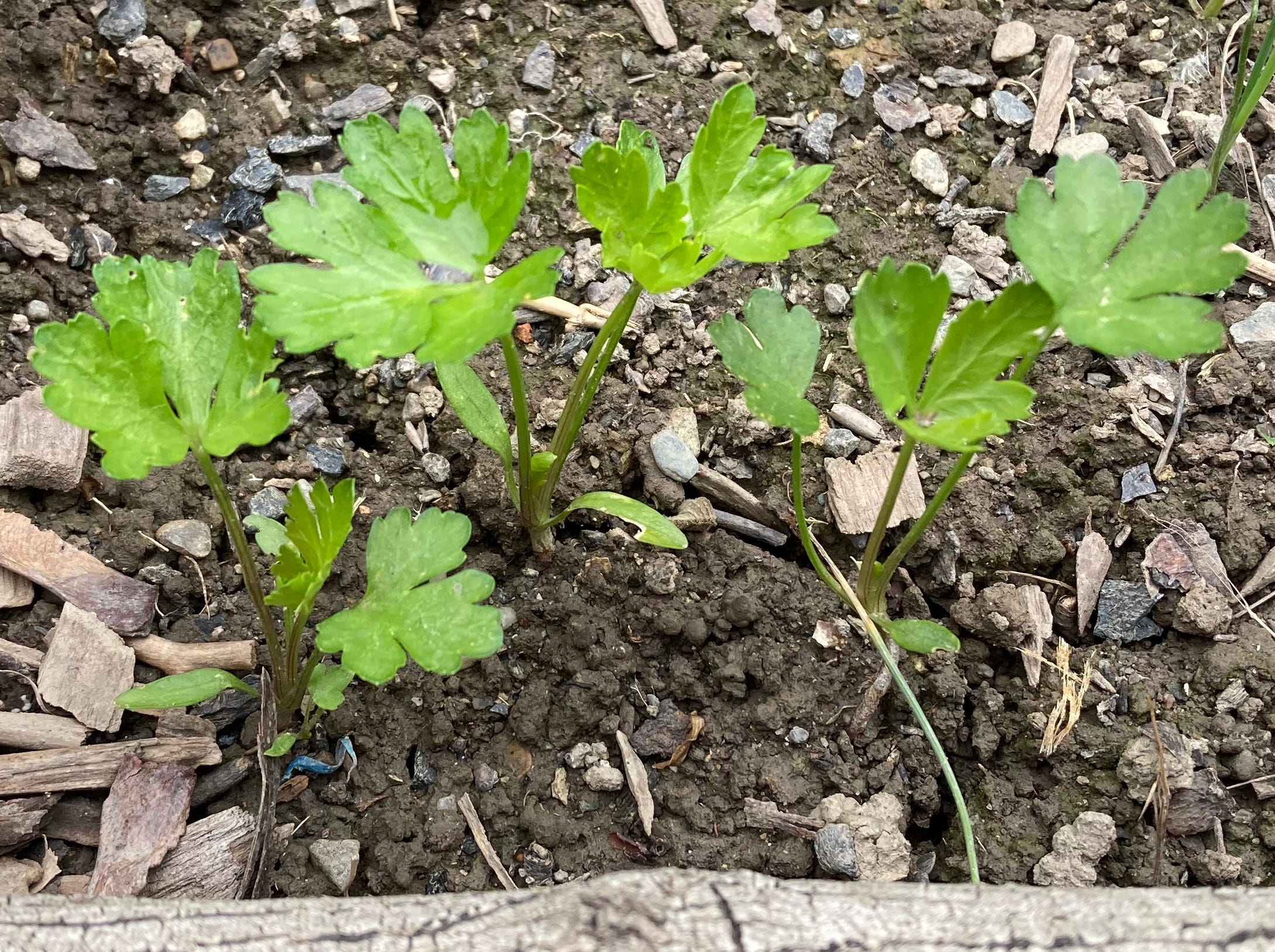
Parsley is one of the most nutritious greens there is. Its flavor perks up soups and stews, bean dishes, eggs, and almost any savory dish. Make a pot of rice, add a handful of chopped parsley, and you have an instant, elegant rice pilaf. The seeds are slow to germinate, sometimes surprising me when I take a walk through the garden and discover a patch of thriving parsley where I had given up expecting a batch of old seed to sprout. One of our more glamorous native butterflies, the black swallowtail, will eat parsley in its caterpillar days, but I’ve never known it to ravage parsley the way invasive cabbage white butterflies go after cabbage and kale. A biennial, parsley will surge back early the following spring when greens are in short supply, and then push up flower stalks with flat clusters of tiny yellow flowers that attract beneficial insects.
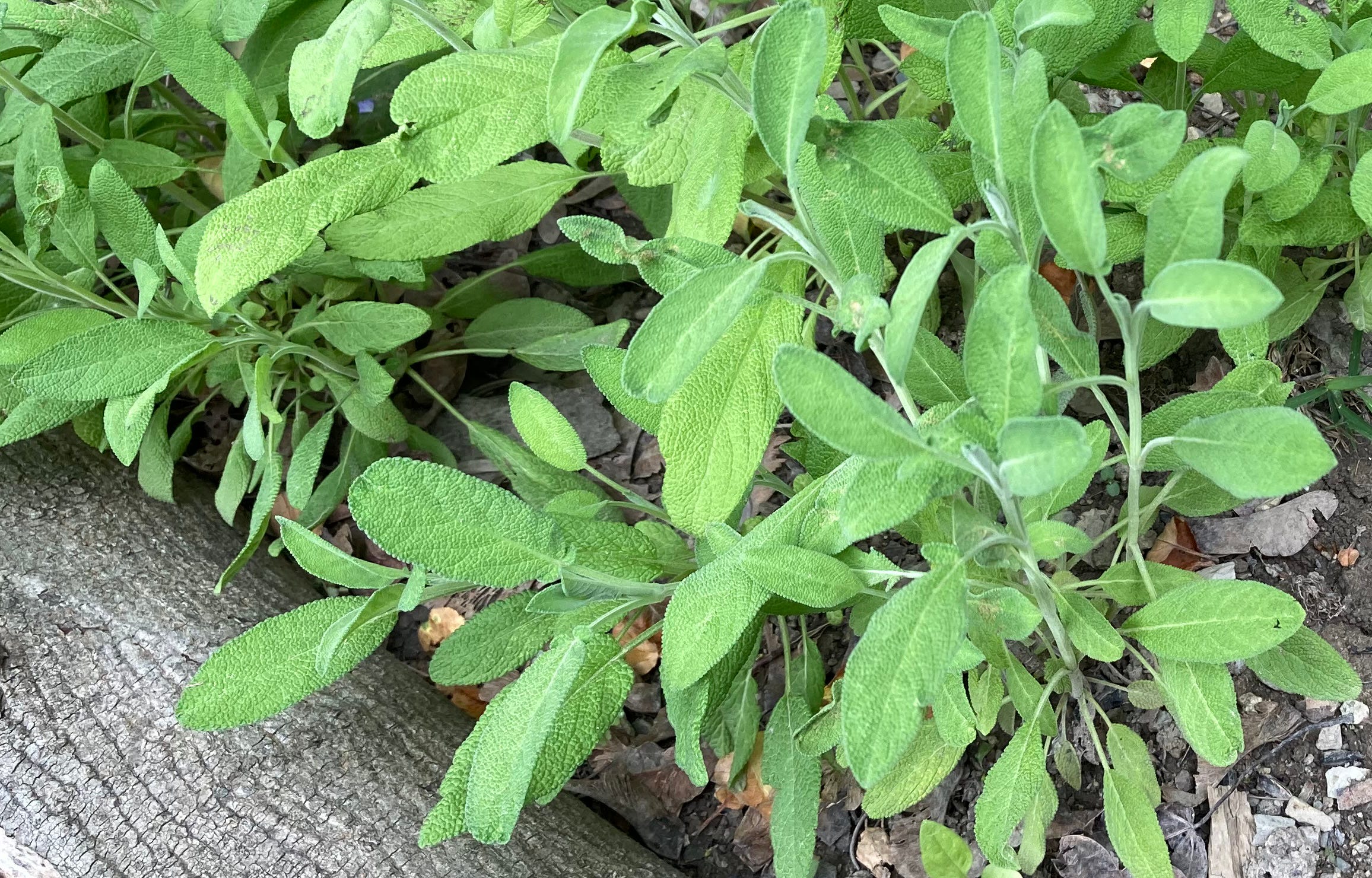
Sage is a flavor accent at most Thanksgiving tables and can be a welcome addition to meals throughout the year. Compared to the dried herb, the fresh leaves taste—well, just fresher. A grilled cheese sandwich with a layer of whole, fresh sage leaves next to the cheese takes this classic sandwich to a new level of glory. Most sausages include sage, and any sausage dish can be brought to new heights by adding some chopped fresh sage. Sage is beautiful in the garden, whether you grow the common sage, as I do, the fancy varieties with bicolored or tricolored leaves, or Berggarten sage with its wide, extra-large leaves. Like oregano, sage’s scent will mask the subtler scents of other plants it grows near, helping protect them from insects, rabbits, groundhogs and deer.
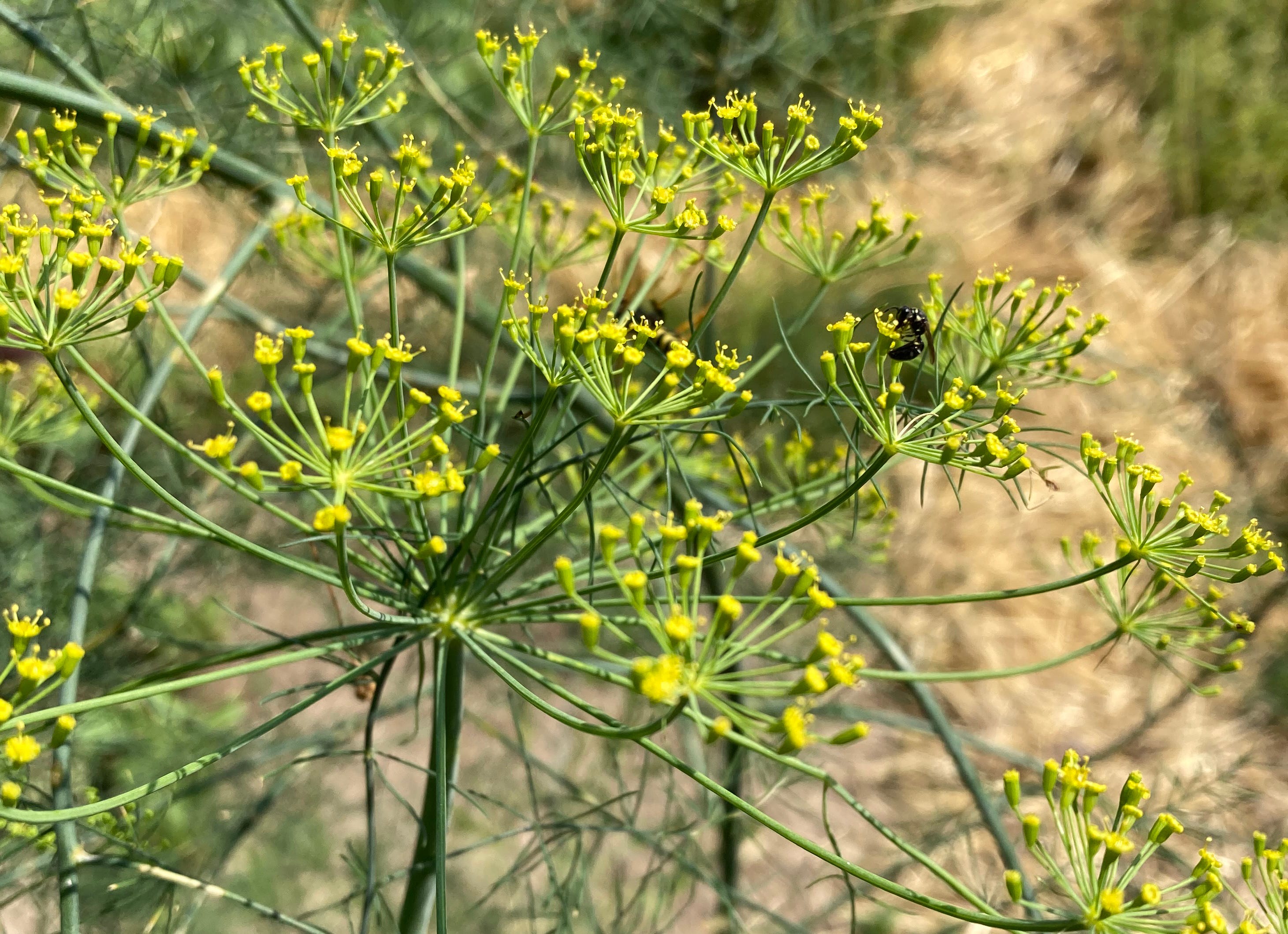
Dill is an herb pickling enthusiasts use regularly. Dill pickles are classic, but pickled green beans with sprigs of dill are just as tasty. Scientists have discovered that dill inhibits certain types of harmful bacteria, which might help the friendly bacteria take over a ferment more quickly. Both the feathery leaves and the more strongly flavored seeds can be included. I enjoy nibbling on a few tender, unripe dill seeds when I’m working in the garden. Fermented foods aside, dill can be a wonderful addition to a yogurt or cream-cheese dip. It’s also great with fish. Dill is another herb whose flowers attract beneficial insects. If allowed to go to seed, it will scatter itself about the garden, though not usually to the point of making itself a nuisance.
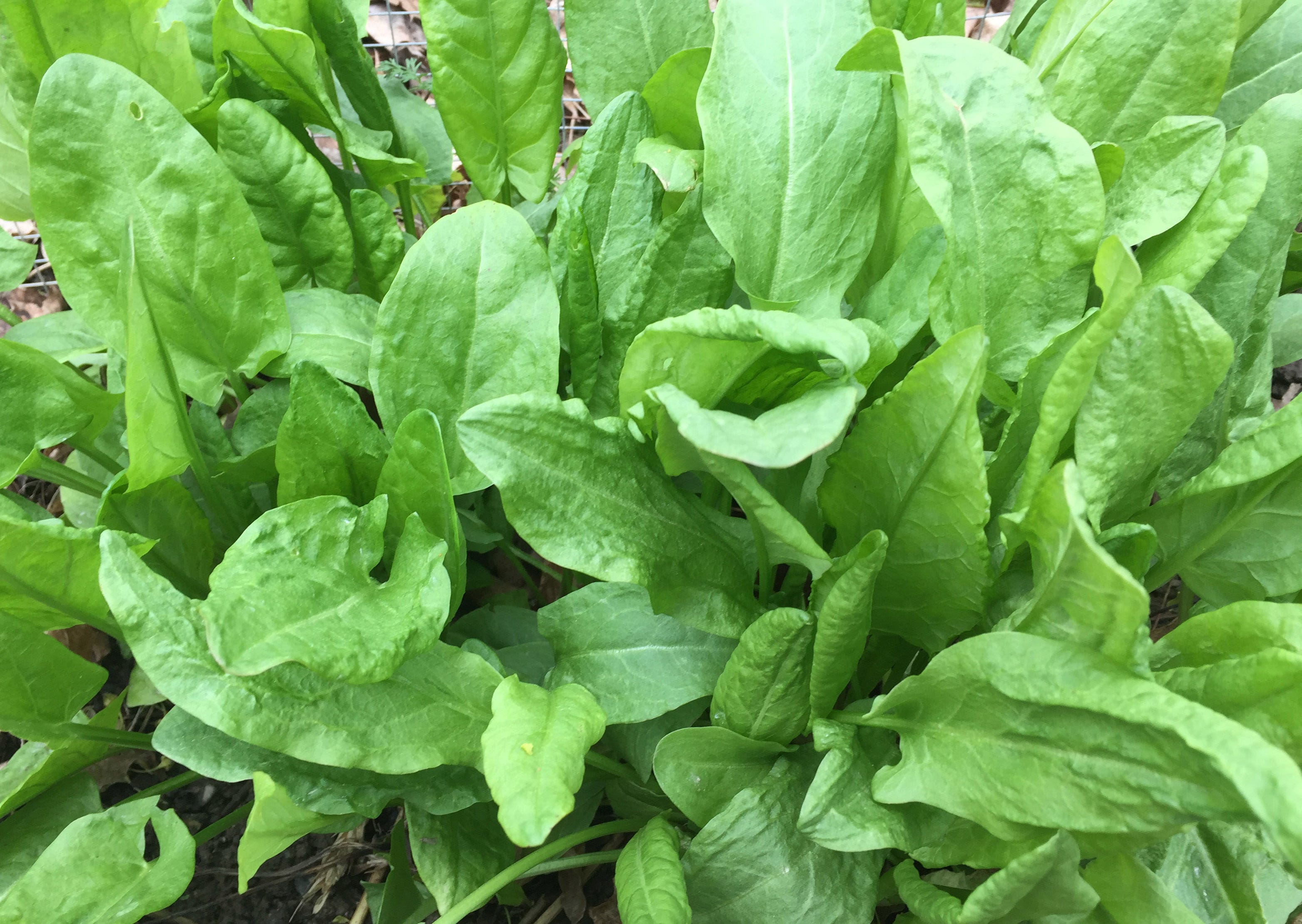
Sorrel’s lemony flavor is outstanding in an omelet or as an addition to a salad of mixed greens. A perennial that returns year after year, it’s the first leafy green to sprout in my garden when frosty nights discourage others from poking their noses above the soil. I grow the French variety (Rumex scutatus) with a more delicate flavor than English sorrel (Rumex acetosa). Both have light green leaves. A third type (Rumex sanguineus) has striking red veins; some people enjoy its baby leaves mixed into a salad, though to me the flavor tastes unpleasantly strong. Like rhubarb and spinach, sorrel contains oxalic acid, so people prone to kidney stones are best advised to avoid it, but it’s also full of vitamins, minerals and antioxidants that are very healthy for the rest of us. In late spring or early summer, sorrel plants will send up flowering shoots; keep trimming these off, so the plants will keep producing leaves. The leaves on the trimmed shoots taste just as good as the others—they don’t turn bitter the way bolting spinach leaves do.
What are your favorite herbs to grow? Leave a comment and let us know!
A very interesting post. I grow all of these in my garden except sorrel, as well as several others, and love them a lot.
Sorrel is fabulous, and so easy to grow—highly recommended!