

Bad Groundhog
Bad, bad, bad!

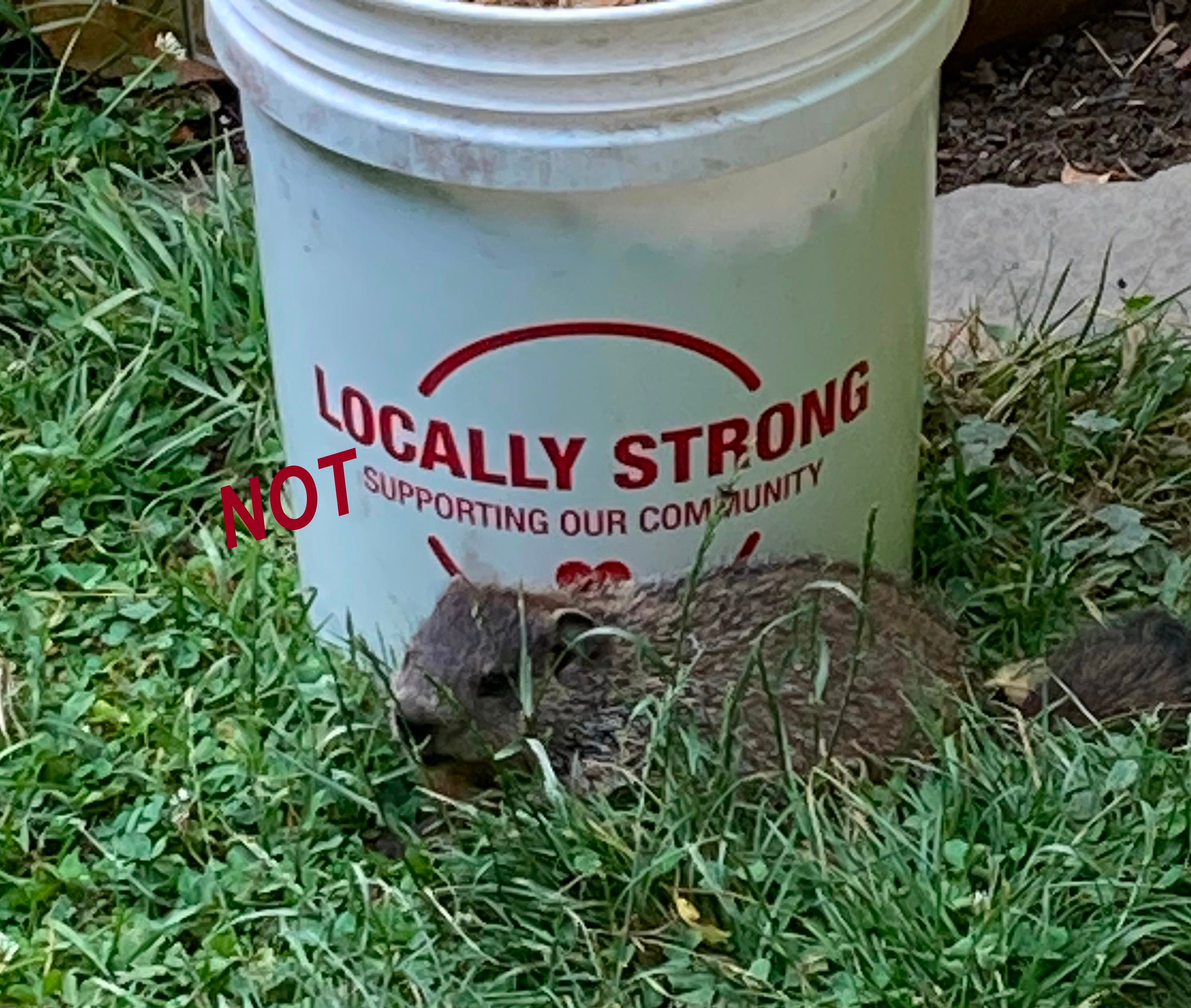
Our vegetable garden is fenced to keep out rabbits, groundhogs and deer. Usually it works. This spring, however, a baby groundhog has proved small enough to get in through some gaps and ravage the veggies.
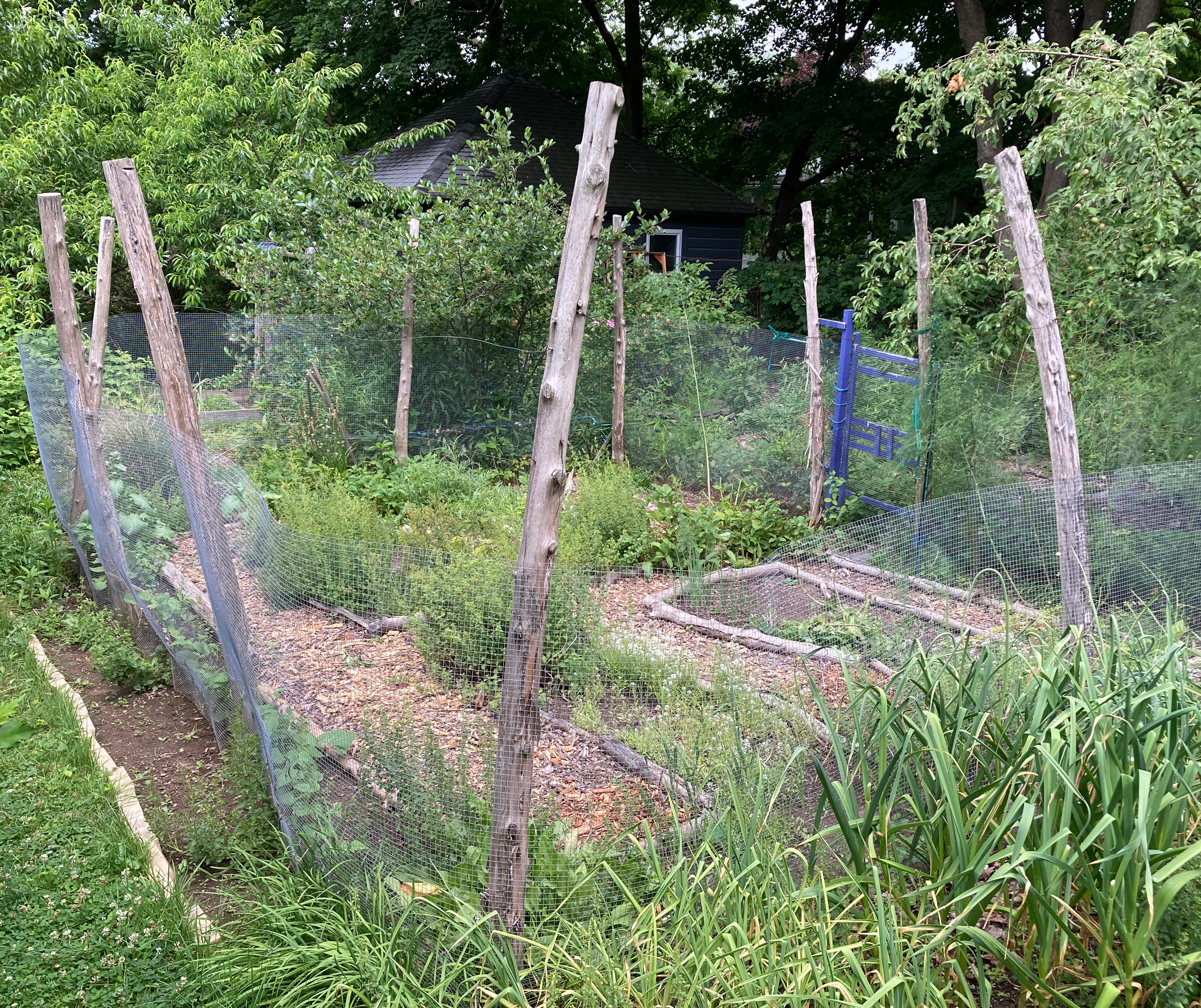
Our lot, about a quarter of an acre, is a typical size. Trees shade much of it, but we fenced in a space about 15x20 feet in the sunniest part of the back yard for a vegetable garden. If we did this again, we would set the poles in concrete, not the expanding plastic foam touted on the package, which is too lightweight to keep the posts securely upright. That said, they’re still holding after almost ten years. A smart thing we did was bury the bottom foot of the fencing under the soil, with an L-shaped flange facing outward to keep burrowing creatures like chipmunks and groundhogs from digging their way in. That works admirably.
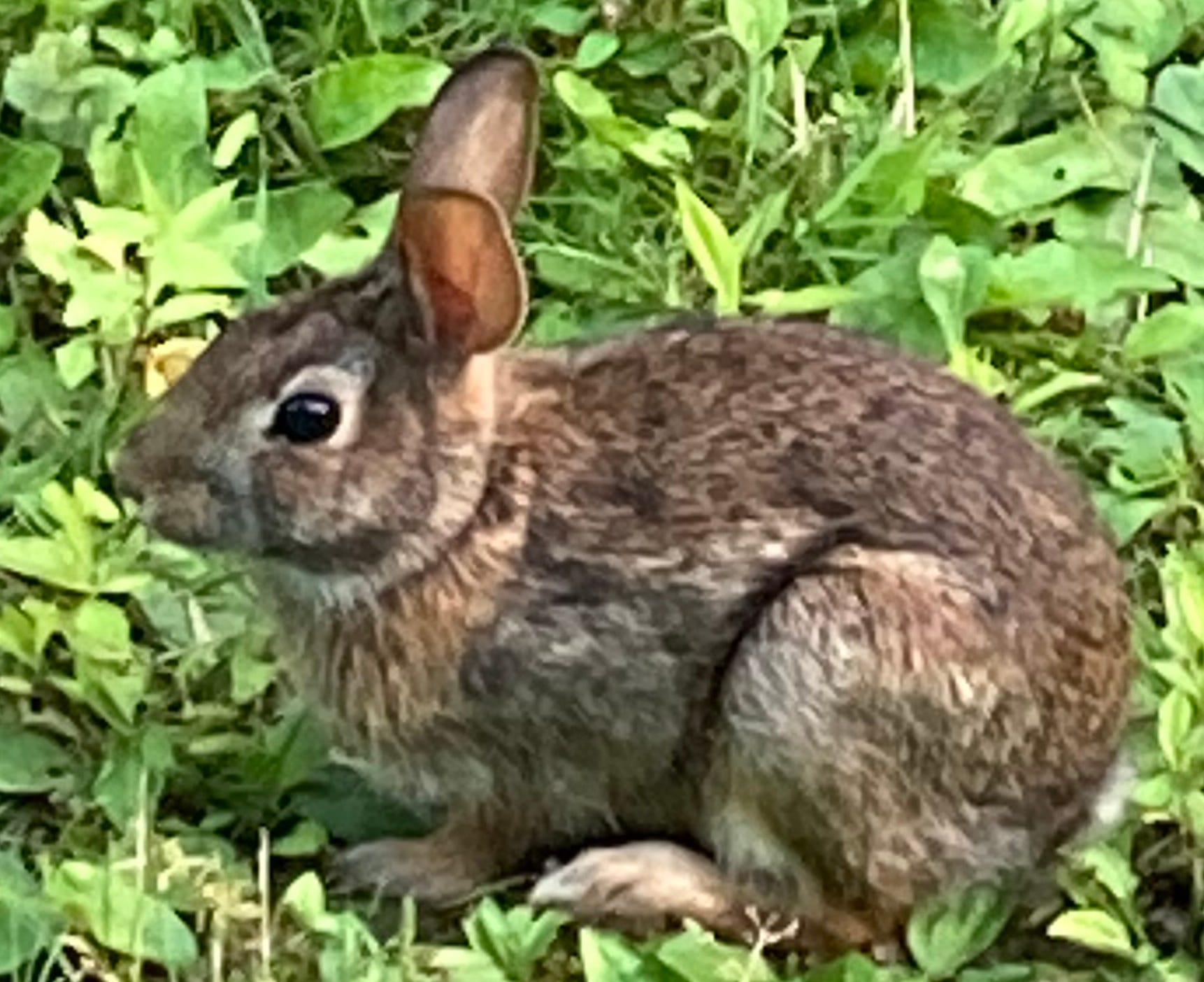
A few years ago, a rabbit was got inside the fence and ate the lettuce. When I checked the join between the lower and upper parts of the fencing, I found a few small gaps that I mended with wire. It seemed to do the trick.
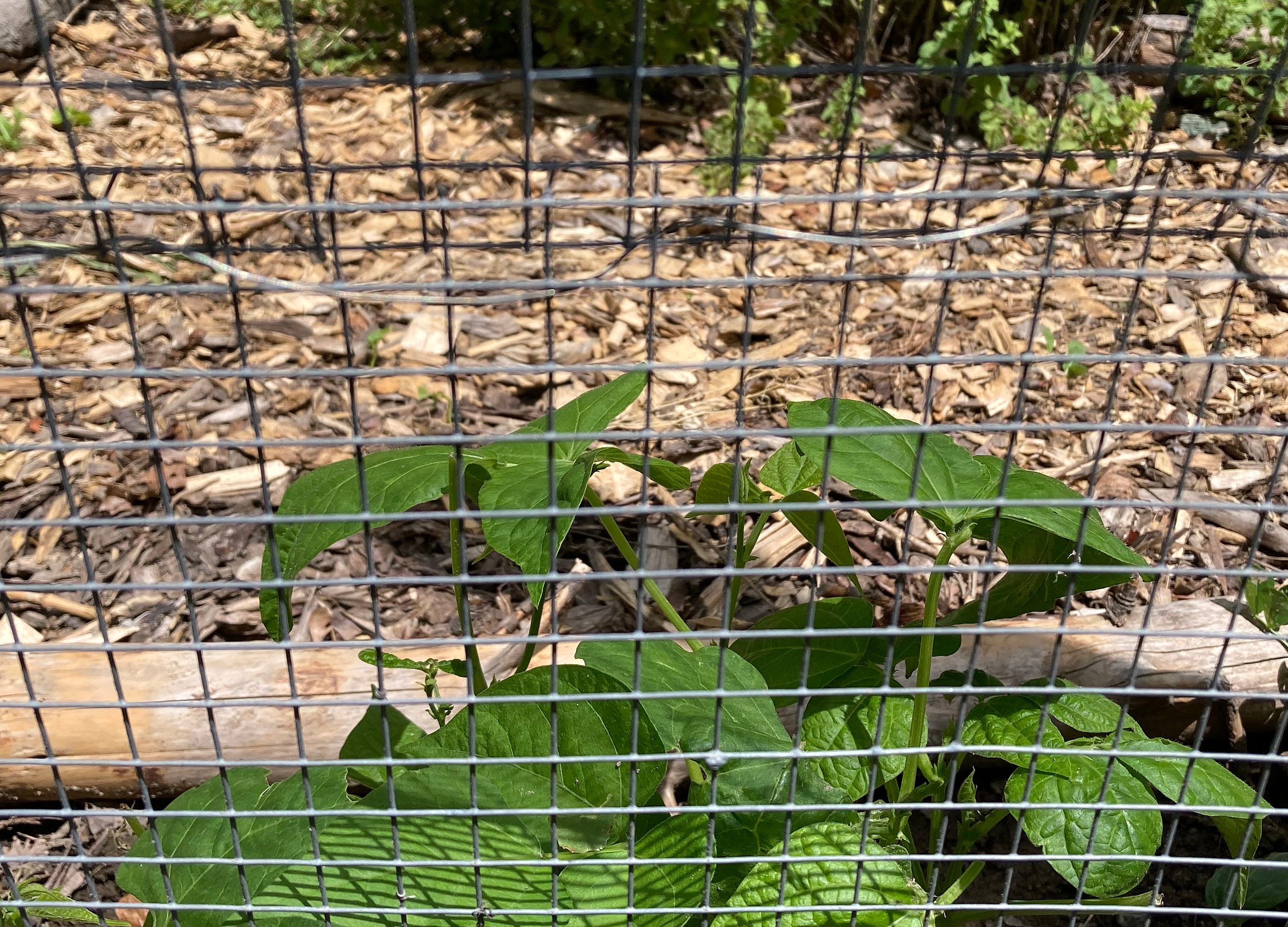
Last year, an animal, pried up a corner of the fencing where it attached to a post, and got in that way. I fixed that, too. But this year, no matter how many of the increasingly smaller gaps I find and seal up, this baby groundhog keeps getting in. First it ate the spinach (except for a few plants tucked close to the oregano), then the lettuce. At a plant swap recently, I picked up a gorgeous costata romanesco zucchini that was almost ready to flower. Guess what.
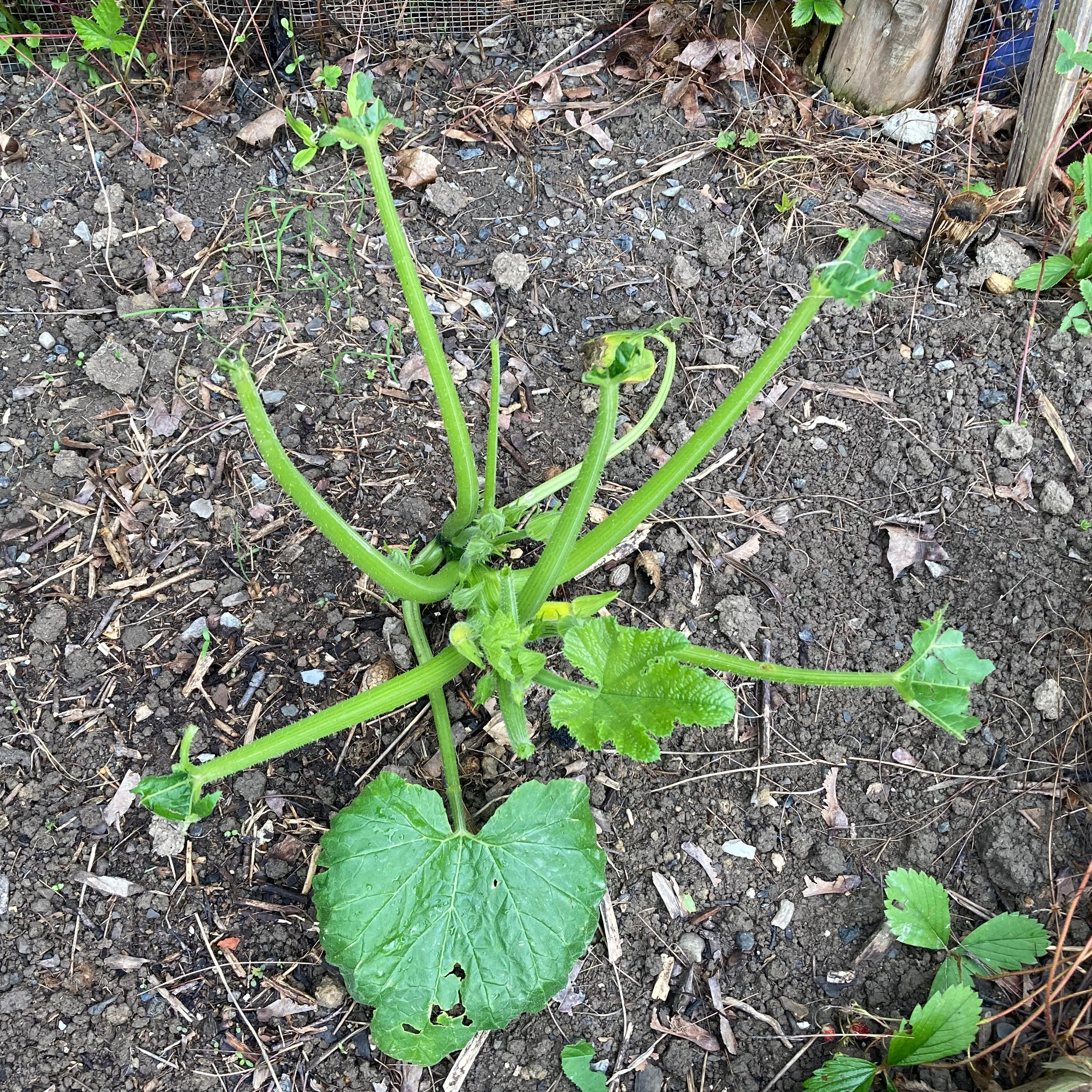
I used to plant zucchini outside the fence to save space, counting on their prickly leaves to be unappealing. That worked for a while, but the rabbits and groundhogs have changed their minds about this, so I now plant zucchini inside the fence.
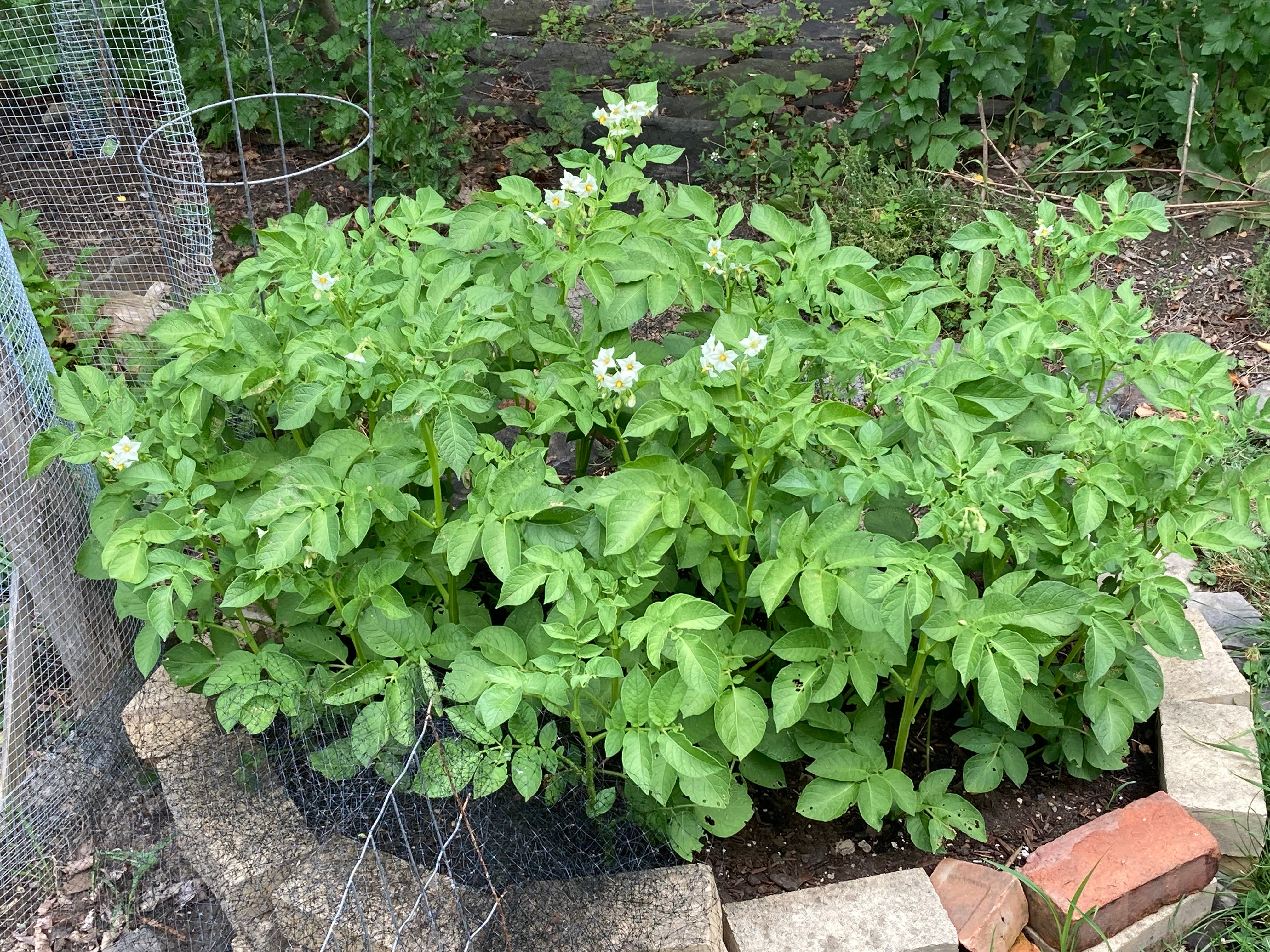
I did plant potatoes outside the fence this year. Plants in the nightshade family, like potatoes, tomatoes and eggplant, have toxic alkaloids in their leaves, which can sicken mammals that eat them, or at least give them a stomachache. So far, the groundhogs, rabbits and deer have left the potatoes alone. I also planted a couple of cherry tomato plants outside the fence.
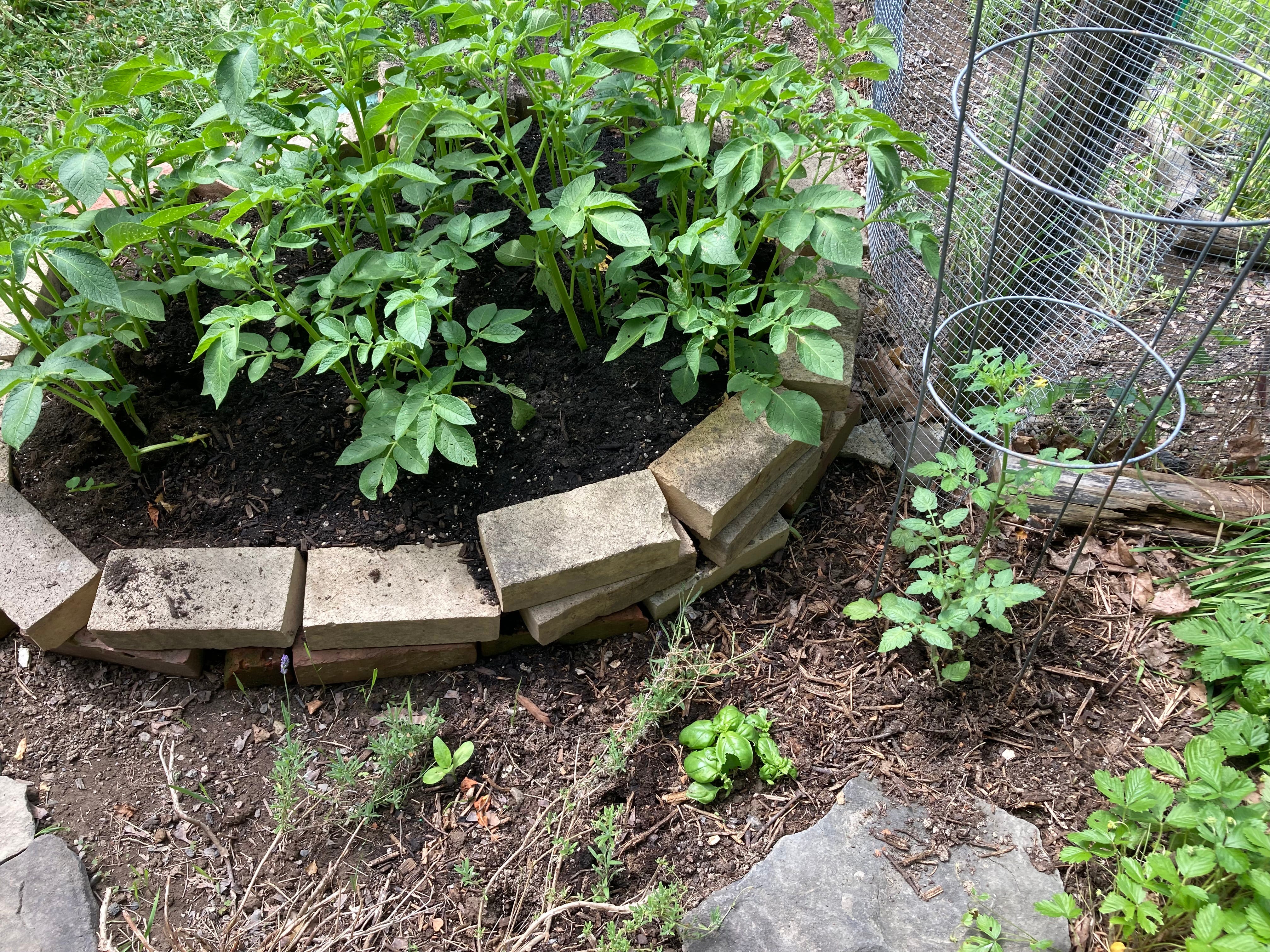
But guess what.
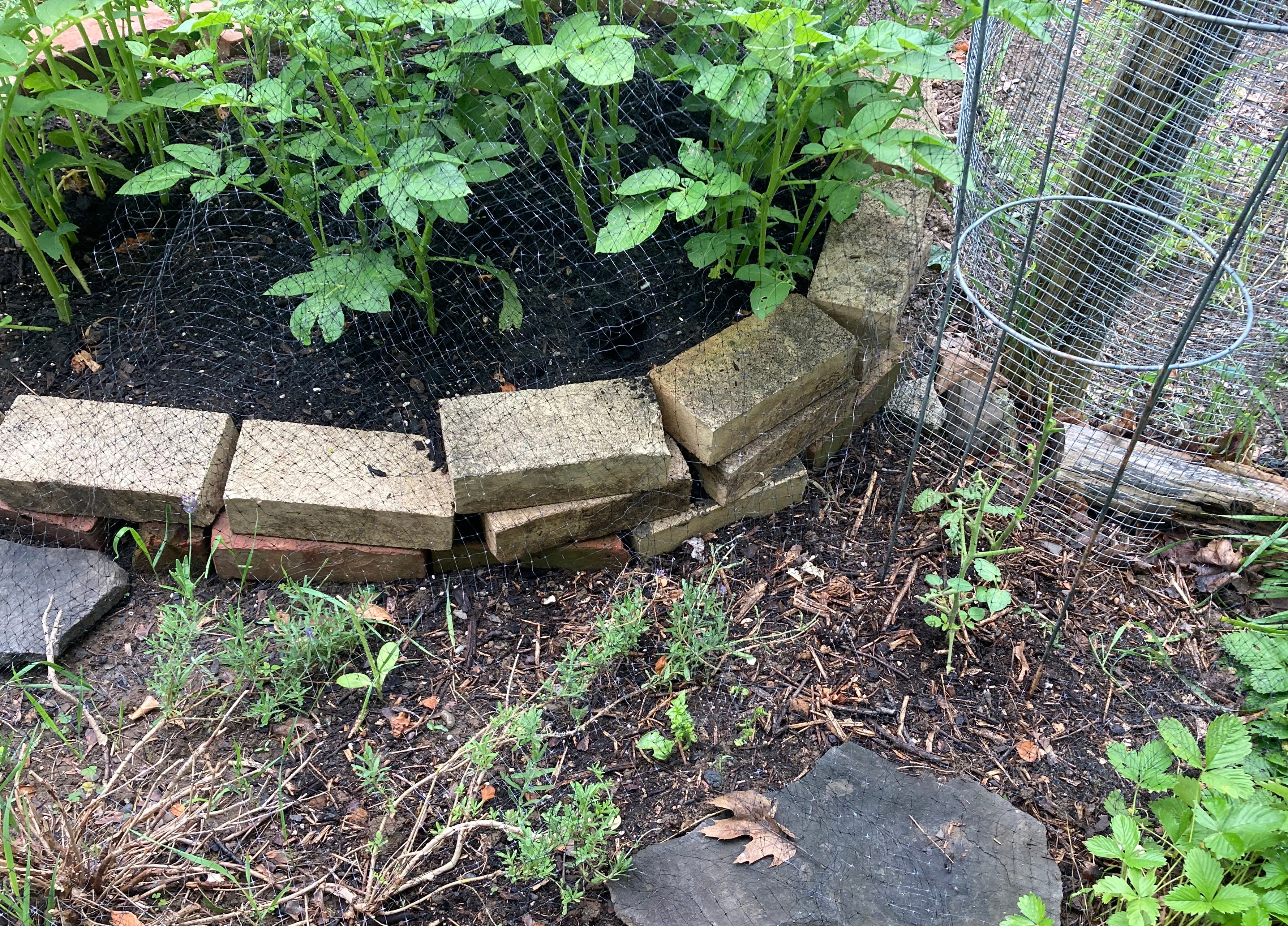
Apparently, young groundhogs think tomato foliage tastes just fine. Also basil and sunflower foliage. It left the lavender and strawberries alone. I told my husband I hoped that bad little groundhog would get a nasty stomach upset, but the next day it came back and ate more tomato leaves. I spread bird netting over that area.
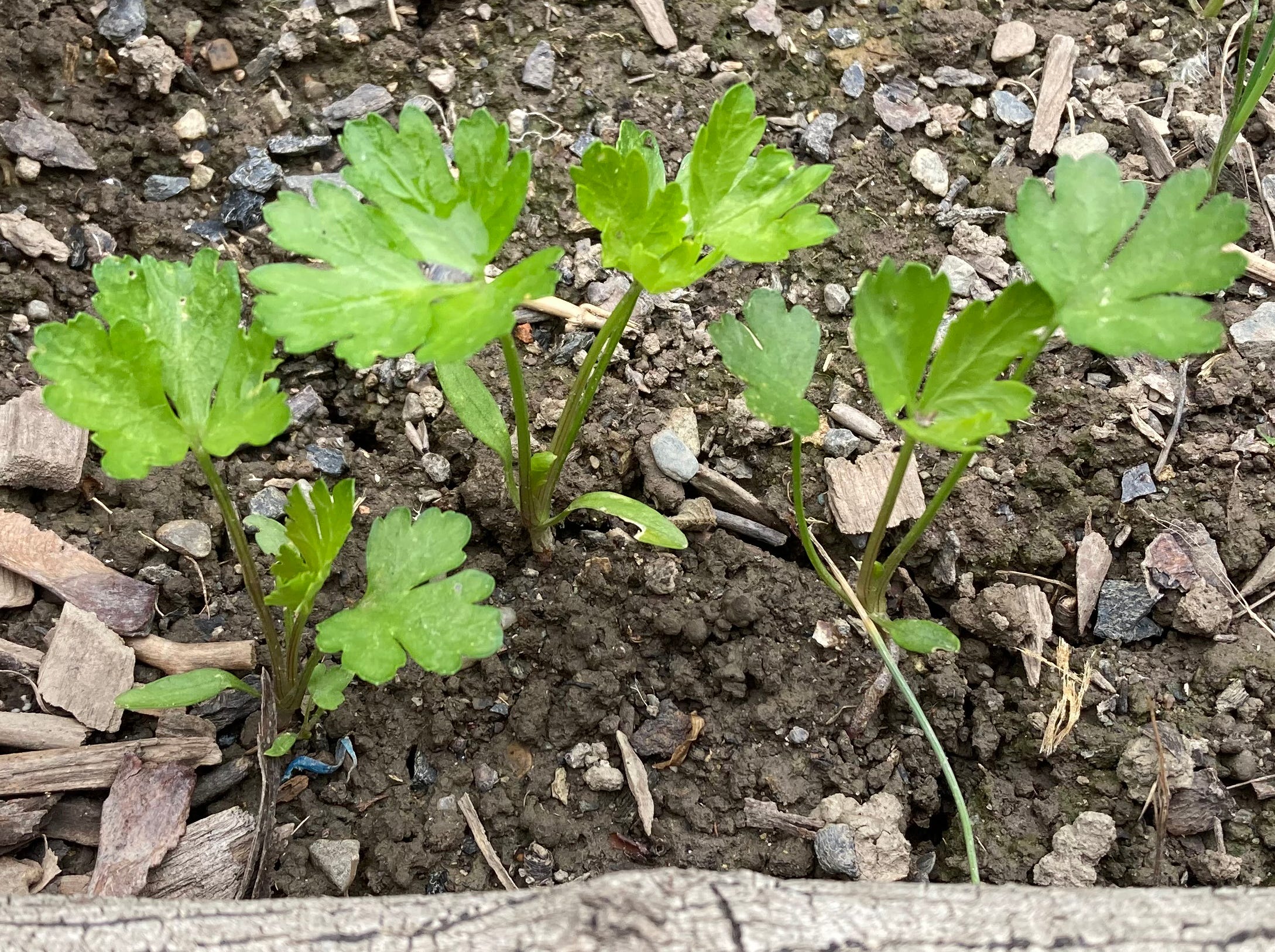
In general, rabbits and groundhogs seem to prefer succulent garden vegetables to the native plants they shared the ecosystem with before European settlers arrived with lettuce, spinach, cabbage and the like. Mostly, they leave herbs alone, deterred by their strong scents. They have not touched my oregano or sage. But guess what.
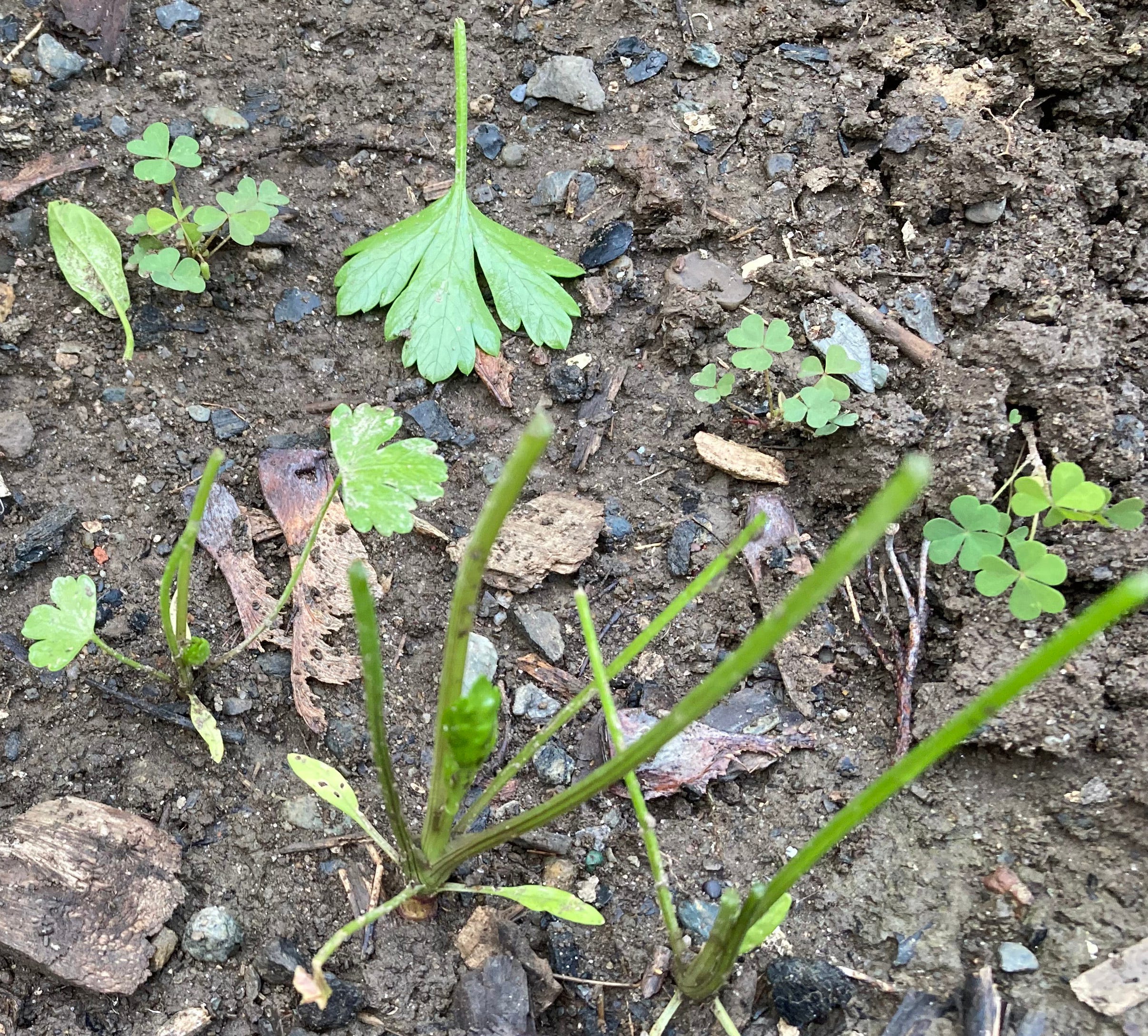
Parsley seems to be acceptable. One native plant they will eat is common milkweed.
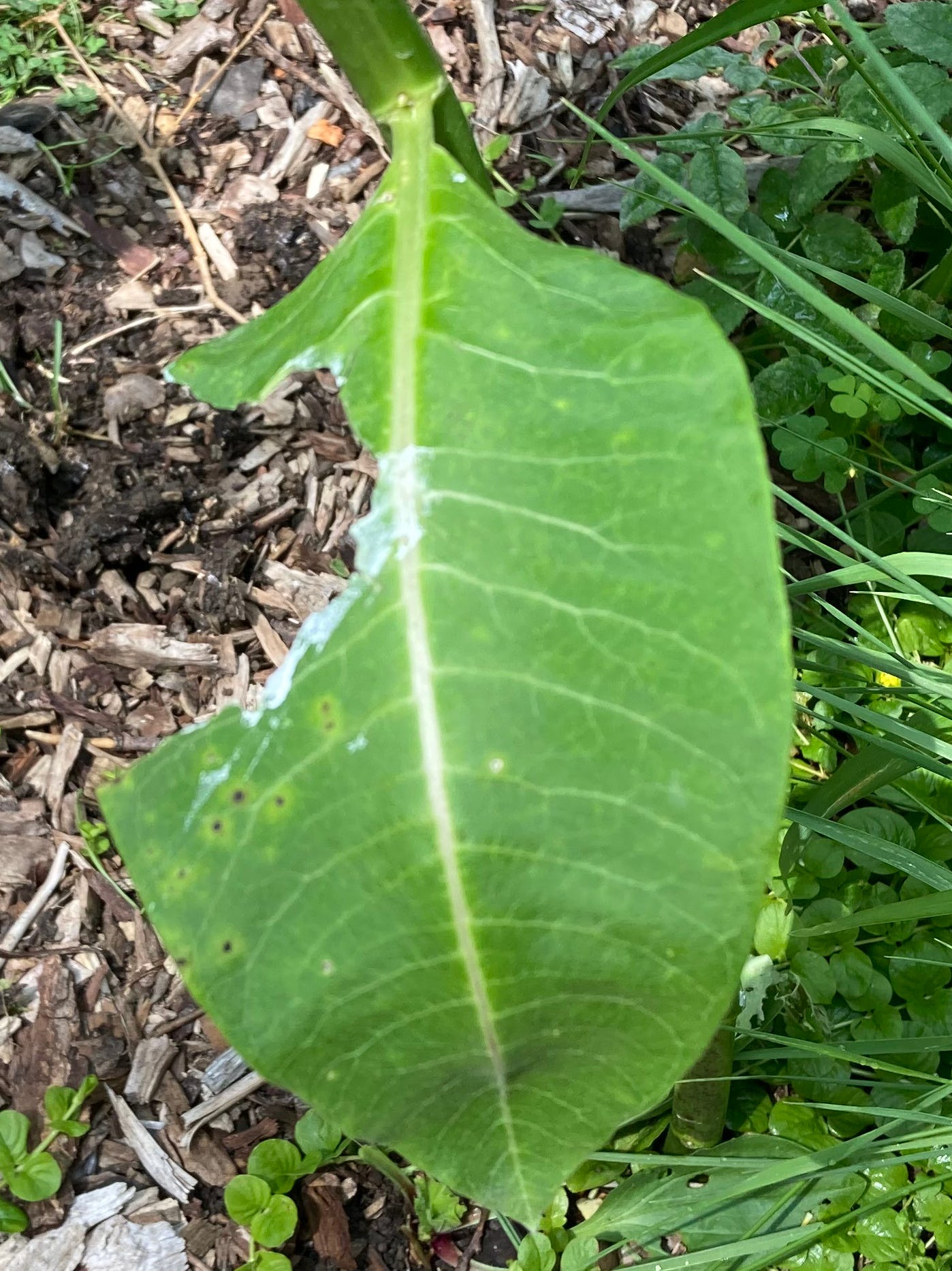
Milkweed contains toxic glycosides that affect the heart and can cause serious stomach upsets. This is behind the monarch butterfly caterpillar’s strategy of eating only milkweed. One would think groundhogs and other mammals would leave it alone. But the photo above of the lower leaf of a milkweed plant shows a distinctive square-edged groundhog bite taken out of it.
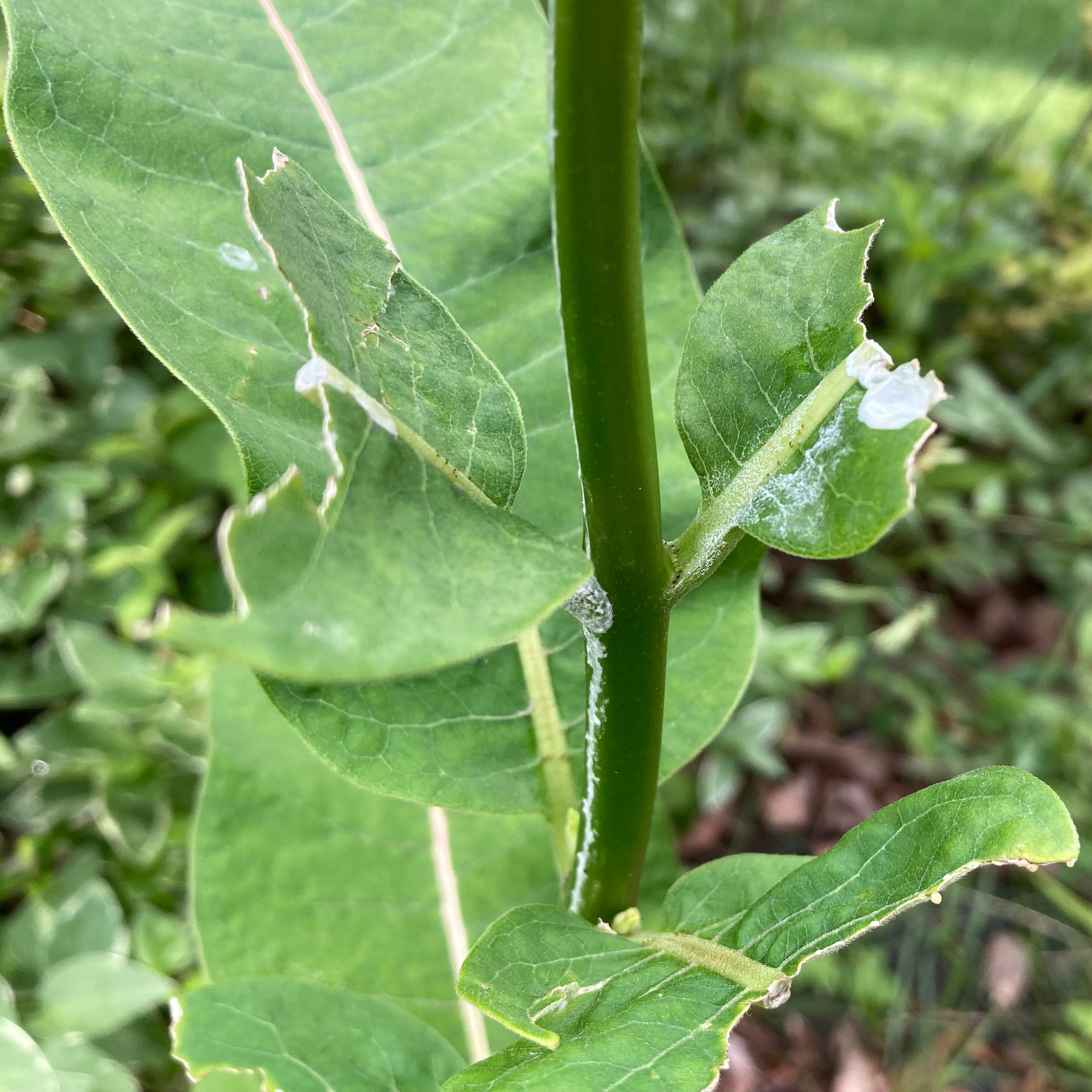
Deer, taller than groundhogs, go for the tops of the milkweed. Their bites are more rounded. Note the milky-white sap trickling from the bitten edges that gave milkweed its name. We have a lot of milkweed in the garden, so it’s not a serious problem if a few leaves are nibbled. In fact, we welcome monarch caterpillars.
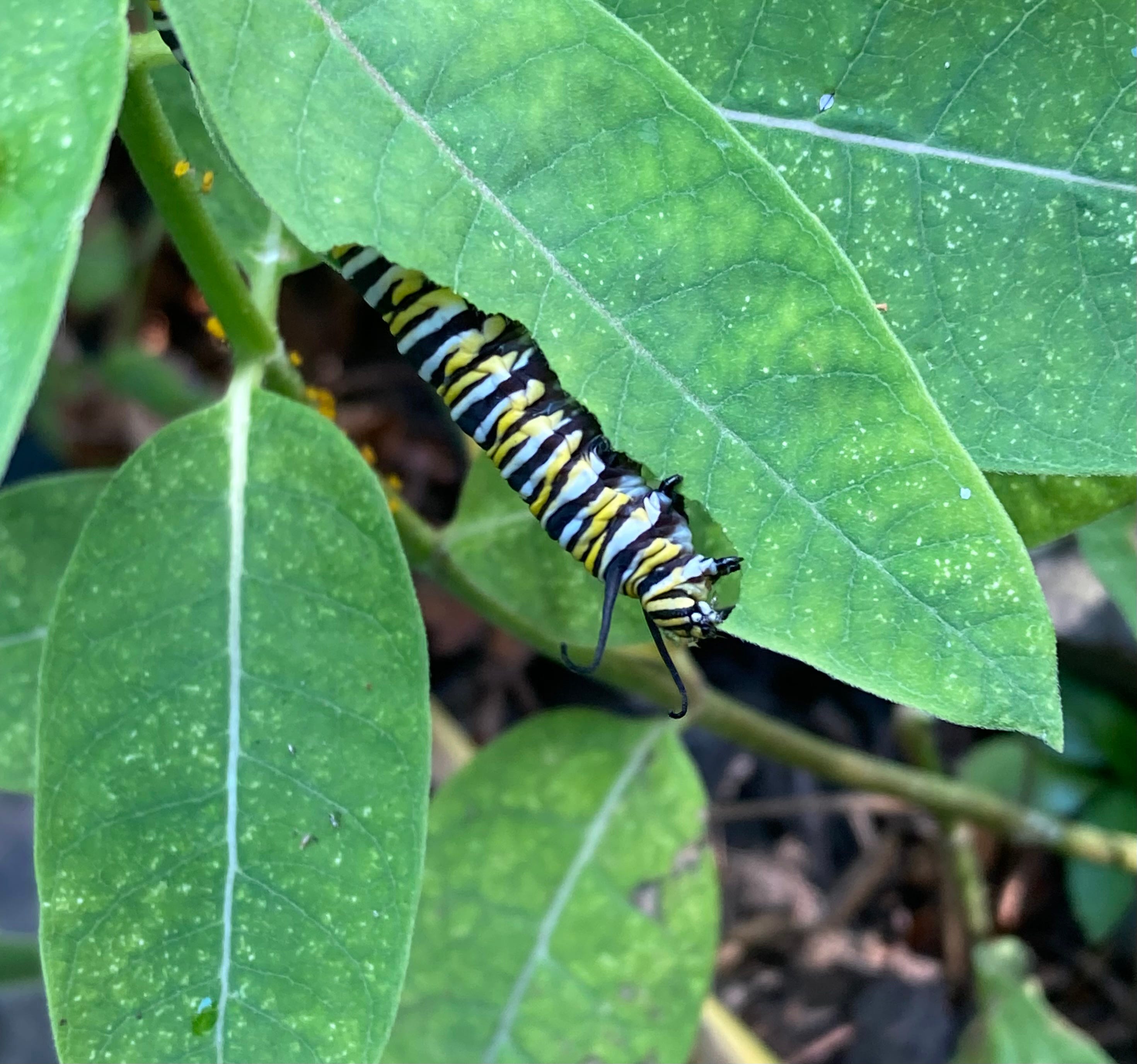
If only the baby groundhog would be as exclusive in its appetites as the caterpillars are ….
I feel your pain. We have baby snowshoes hares living in our garden. The garden is fenced to keep out moose and adult hares. But babies not so much. The babies love all the things we like to eat so now all the annual garden
beds are under row cover at night.