

A New Pollinator Garden
Matthew's Pollinator Garden at Beattie-Powers Place in Catskill, NY

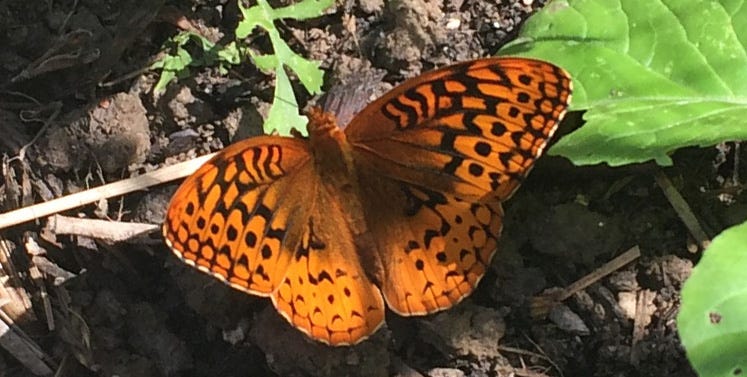
Although native bees, butterflies and other pollinators are in decline across the country, gardeners can help bring them back. A movement is afoot to plant pockets of native wildflowers throughout the country where pollinators can stop to feed on nectar or lay their eggs to hatch the next generation of moths and butterflies. Since the first Pollinator Pathway project was launched in 2007, over 300 towns in 11 states have joined. My hometown of Catskill, New York, is one of them.
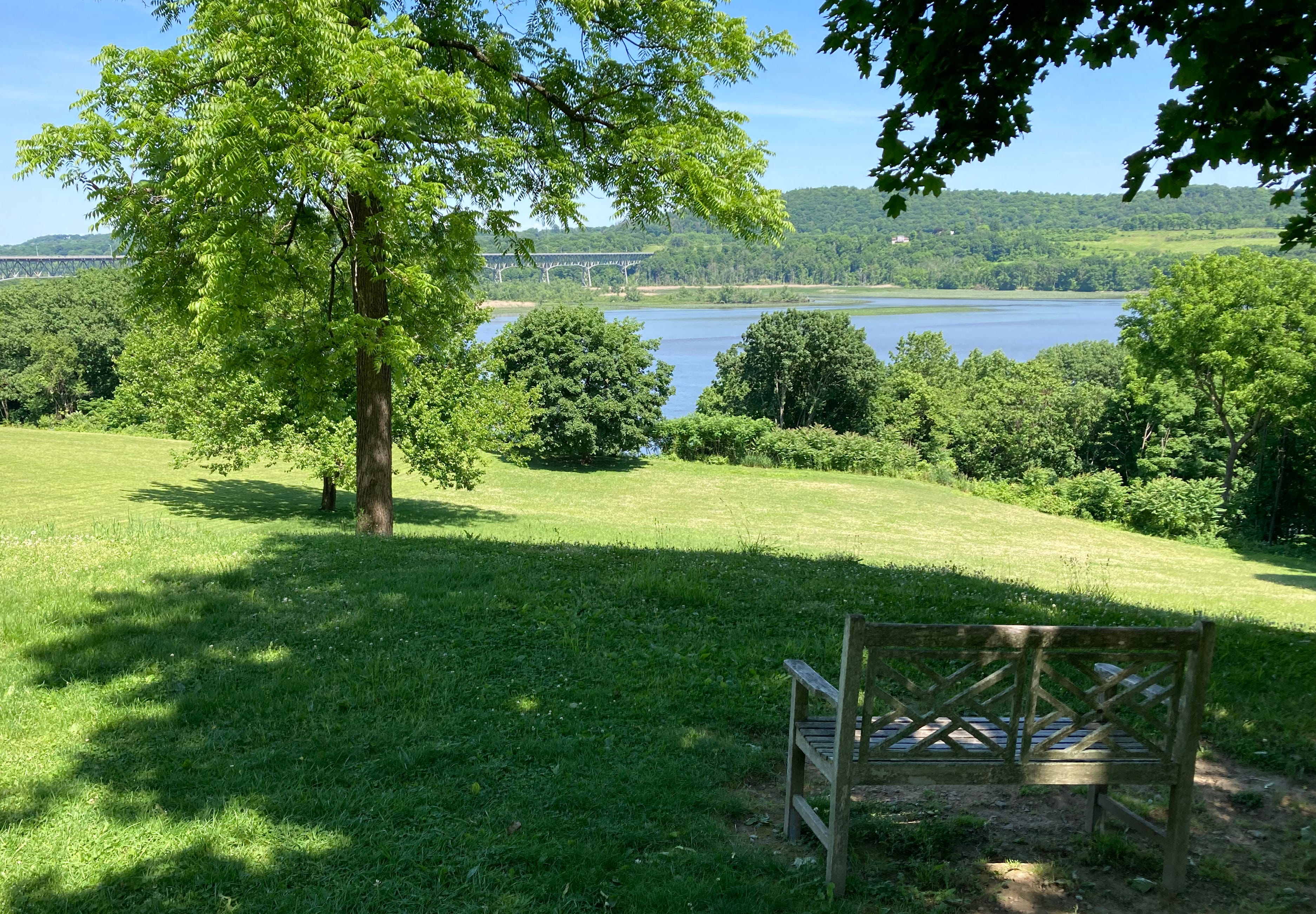
Last week I visited Catskill’s newest pollinator oasis at Beattie-Powers Place, where an 1837 Greek Revival house sits on six and a half acres that sweep down to the Hudson River, offering magnificent views. Owned by the Village of Catskill, the house and grounds are managed and maintained by volunteers with the nonprofit organization Friends of Beattie-Powers Place.
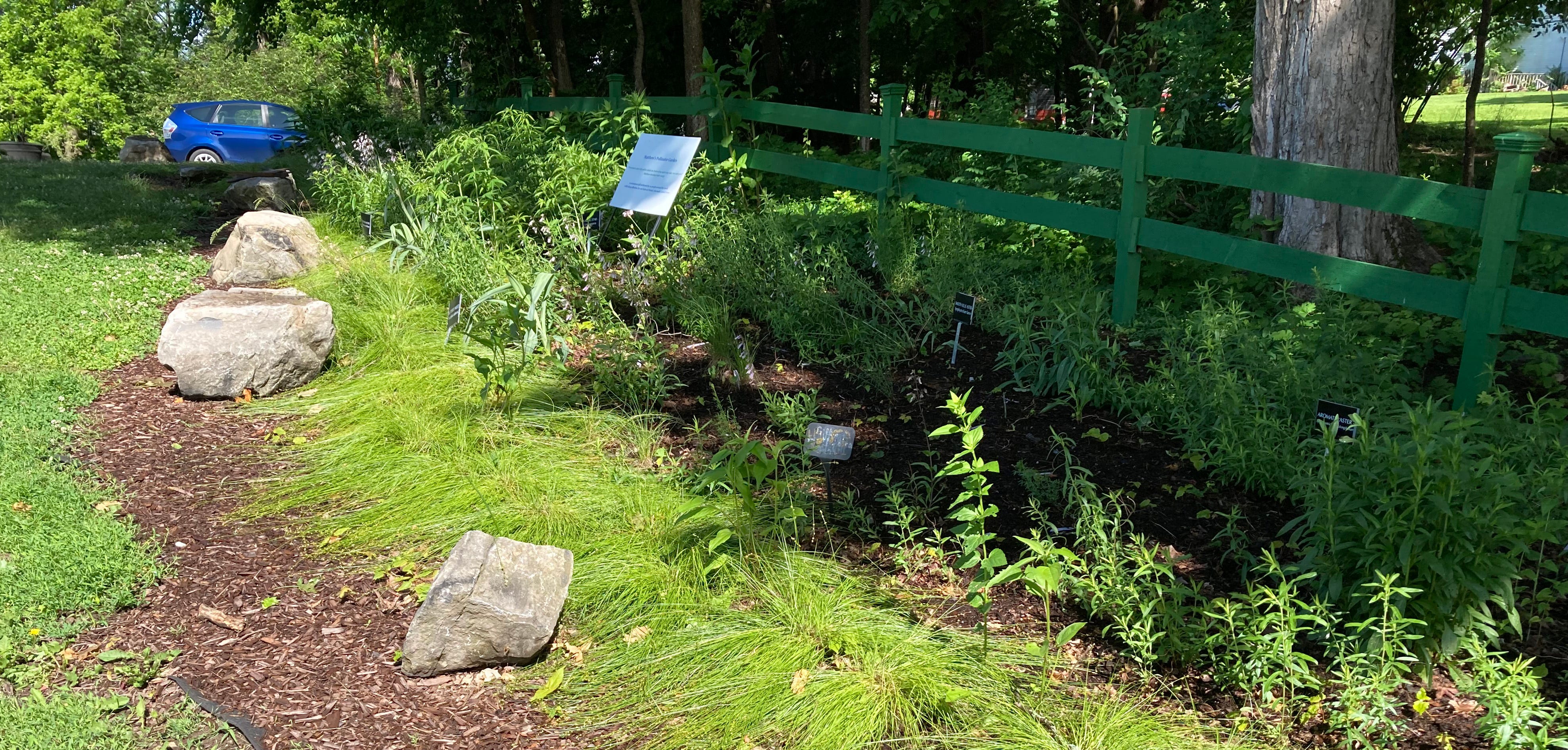
The pollinator garden includes 430 native plants of 26 different species, designed so pollinators will find something in flower from spring through fall. It’s named for Matthew Strother, a Catskill resident who died in 2023 at the tragically young age of 35. Friends of his—he had many around the world—approached the Beattie-Powers organization with the idea of planting a living memorial to him.
Bob Hoven, president of the Friends, and board member Alyson Garvey had for several years been discussing their wish to create a pollinator garden at Beattie-Powers. Strother’s friends thought this would be a wonderful tribute. They raised $2,000 to cover the cost of the plants, and a group of volunteers got to work. Garden designer Robert Clyde Anderson, who has a huge pollinator garden on his own property near Stuyvesant and has given talks at Beattie-Powers in which he shared planting ideas, served as a friendly guide. Hoven and Garvey studied other gardens and scoured garden catalogs, settling on the specialty native plant nursery Prairie Moon for the extensive plant order. A half-dozen volunteers did the planting.
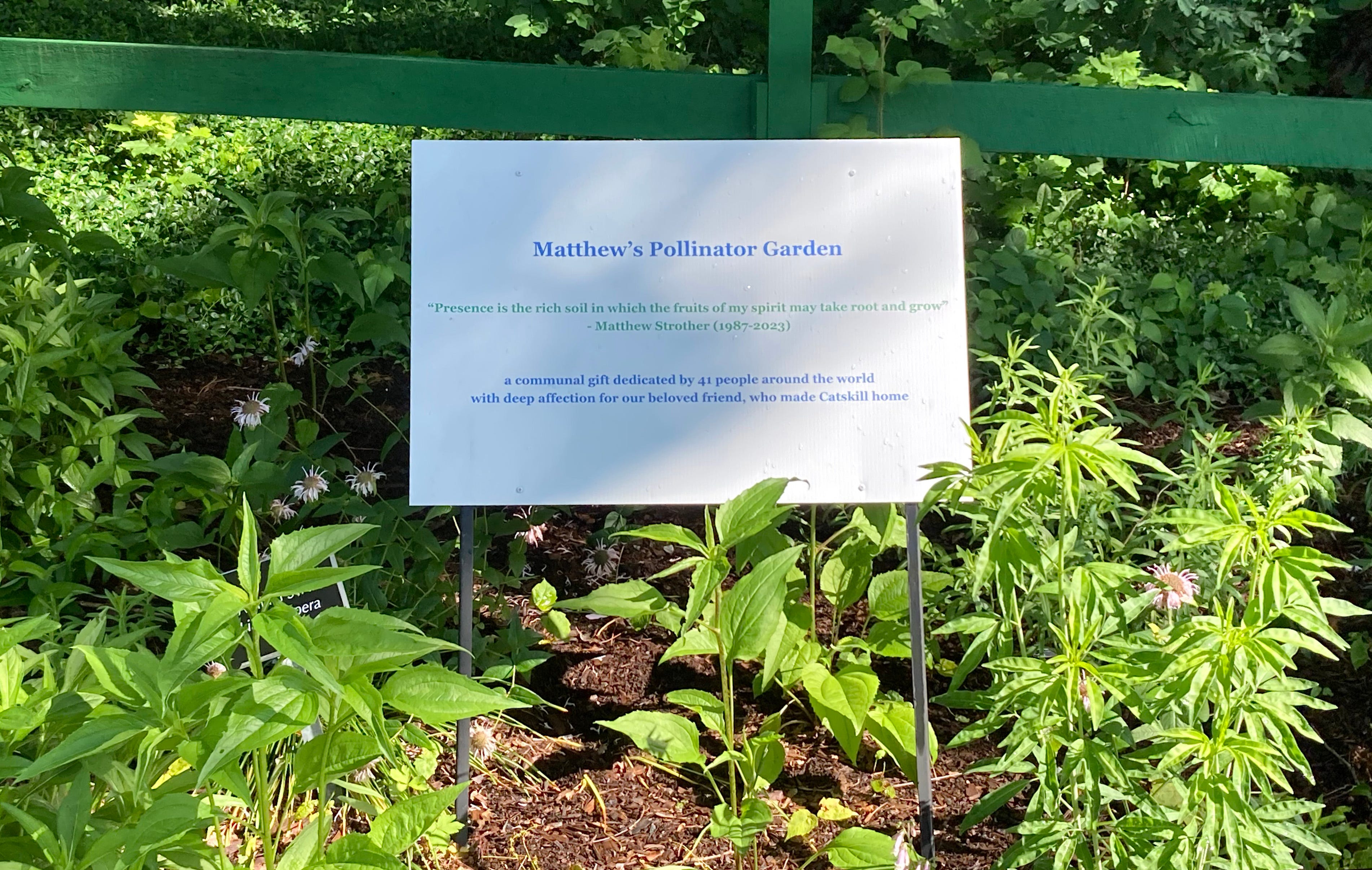
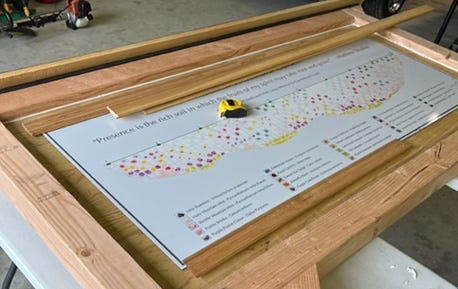
“Presence is the rich soil in which the fruits of my spirit may take root and grow,” Strother had said, a sentiment deeply appropriate for a pollinator garden.
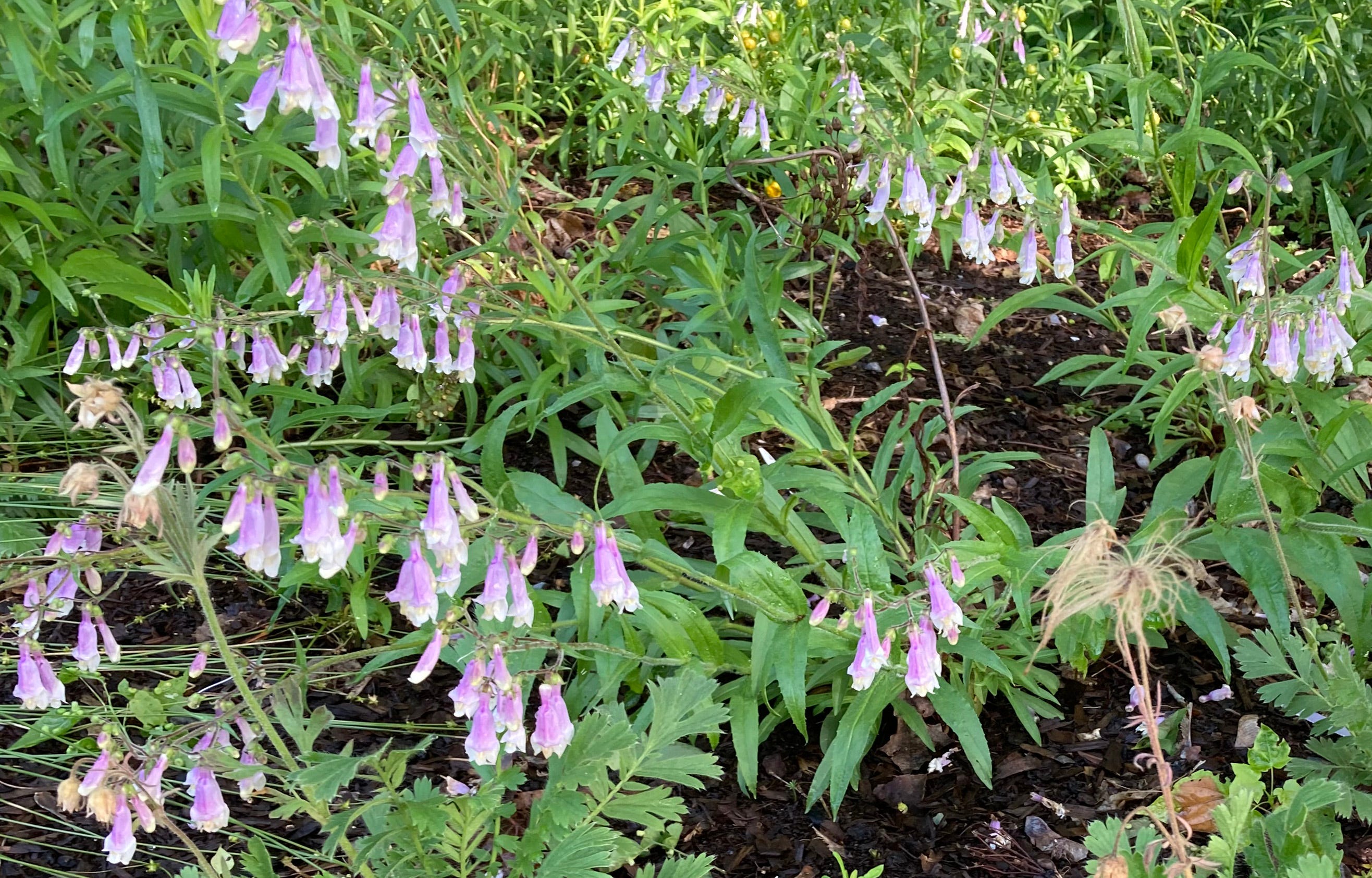
When I toured the garden with Bob Hoven on a beautiful spring day last week, hairy beardtongue (Penstemon hirsutus), Bradbury bergamot (Monarda bradburiana) and prairie smoke (Geum triflorum) were in bloom, and bees had already found the garden and were busy pollinating.
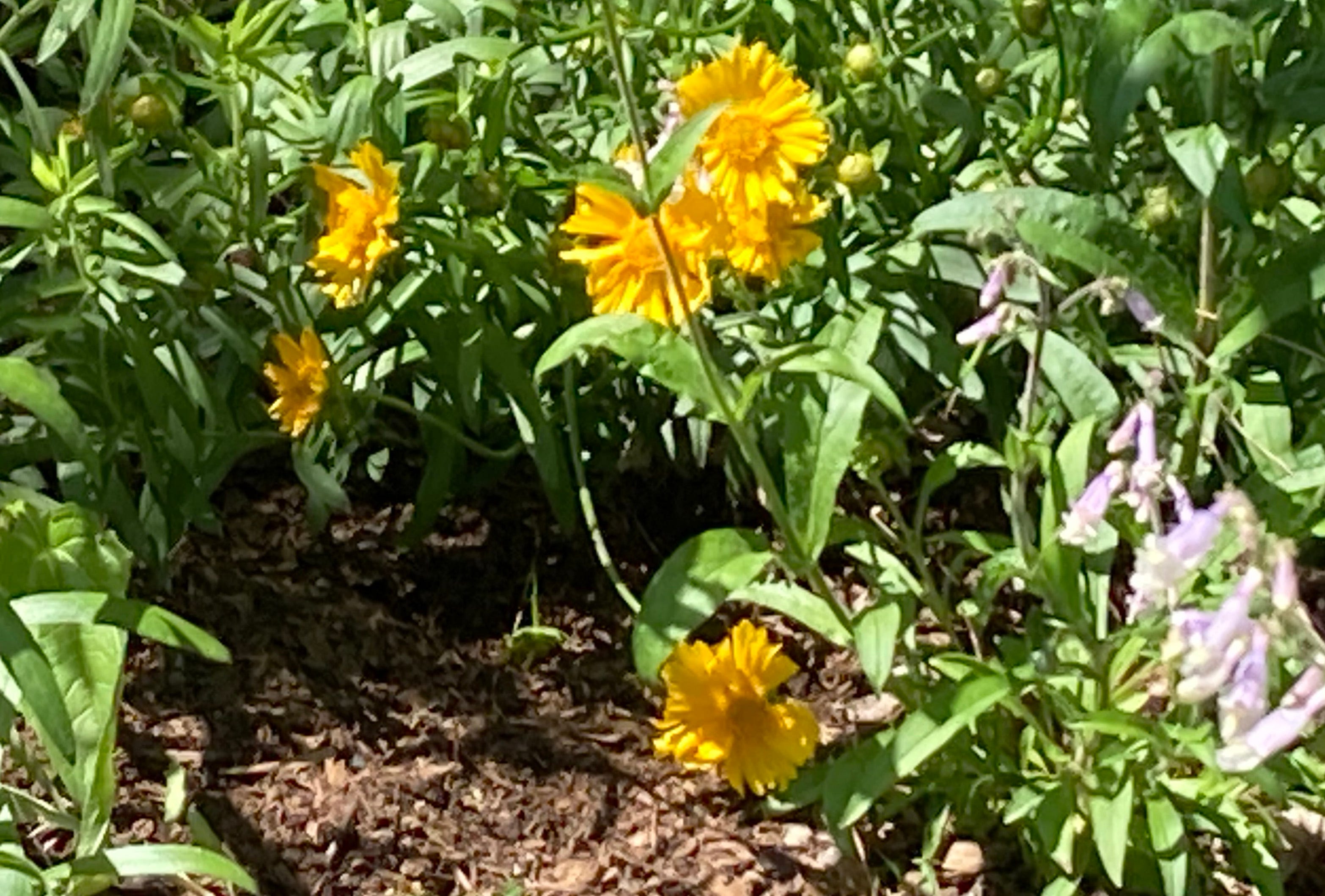
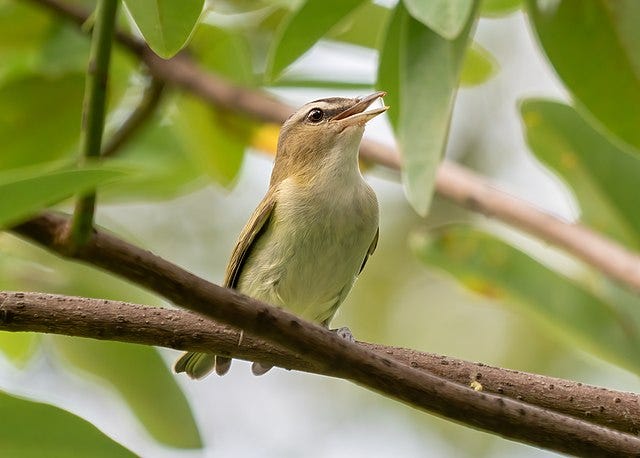
Just a couple of days later when I stopped by to take a few more photographs, a bright yellow lanceleaf coreopsis (Coreopsis lanceolata) had burst into bloom, while a red-eyed vireo sang from the treetops.
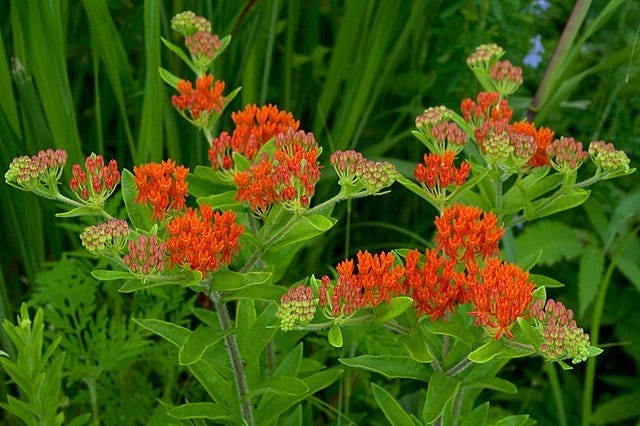
Later this summer, butterfly weed (Asclepias tuberosa) will flower. Monarch butterflies depend on milkweeds like this for survival, since their caterpillars can eat no other plant.
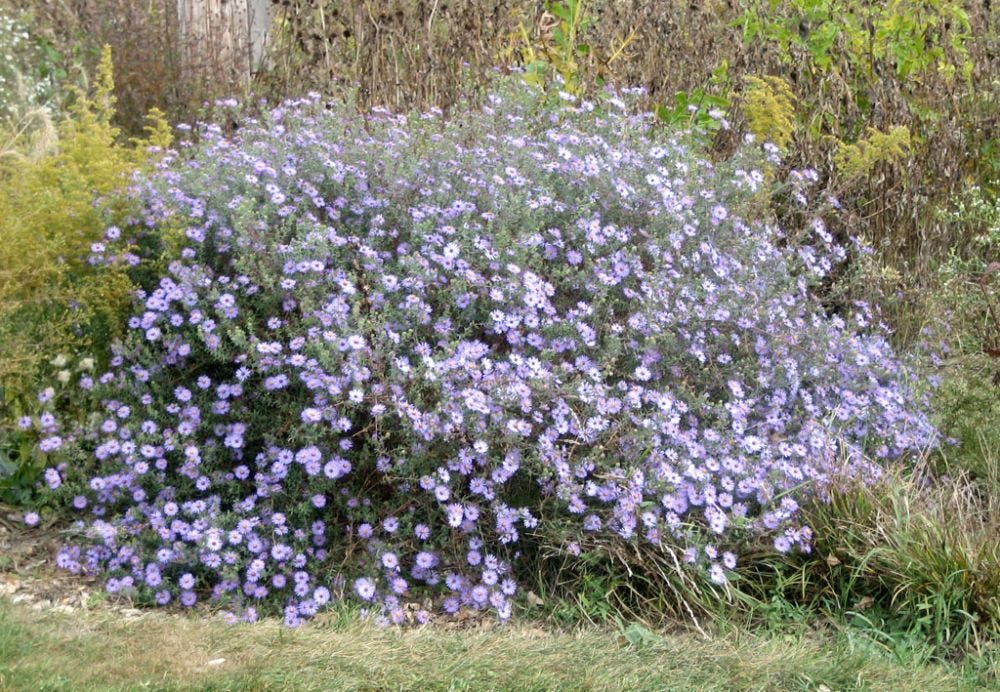
Aromatic aster (Symphyotrichum oblongifolium), named for the scent its leaves give off when crushed, will close out the season, blooming as late as October and November to give the bees, butterflies and moths their last sips of nectar in our area before winter closes in.
A sign being created for the garden will identify the plants so visitors who feel inspired to make Pollinator Pathway gardens at their own homes can see what they might like to grow, whether in garden beds as extensive as the 90-foot-long Matthew’s Pollinator Garden or in pots on their porches, which pollinators will also find and use.
Perhaps the beautiful—and increasingly endangered—monarch butterflies who sip nectar and lays their eggs on the butterfly weed at Beattie-Powers Place will flutter over to your house, too. Who knows—your nectar plants may be just what they need to build up their strength before their long flight south to overwinter in Mexico.
Resources:
https://www.pollinator-pathway.org/
http://pollinatorpathways.com/
https://www.beattiepowers.org/